Solar panel installation for home projects can cut a large electric bill, but the panels are only one part of the system. Roof condition, shade, utility rules, electrical capacity, financing, and your household's actual energy use matter just as much. I learned this while planning upgrades for my own 2003 Boise house: the first proposal focused on panel count, while the better plan started with twelve months of utility bills and a look inside the main electrical panel.
The goal is not to make your house look futuristic. It is to produce useful electricity at a sensible cost, preserve the roof, and make the system easy to monitor. Your house should work for you, not the other way around.
Start with the Electric Bill, Not the Roof
Before requesting quotes, download a full year of electric bills. Write down annual kilowatt-hours, your highest monthly use, utility rate changes, and whether the utility credits exported energy. A typical home might use 8,000 to 12,000 kilowatt-hours per year, but a heat pump, electric water heater, workshop, or electric vehicle can push that much higher.
Solar companies often size systems around annual consumption. That is a useful starting point, not a promise that every month will be self-powered. A system producing 10,000 kilowatt-hours annually could still send excess energy to the grid in July and draw electricity during dark winter weeks. The value of those exports depends on your utility's net-metering or buyback rules.
For a rough example, a $150 monthly electric bill equals $1,800 per year. If a proposed system offsets most of that bill and costs $24,000 before incentives, the simple payback is about thirteen years before financing costs, maintenance, and rate changes. That is not a guaranteed investment return, but it is a useful reality check.
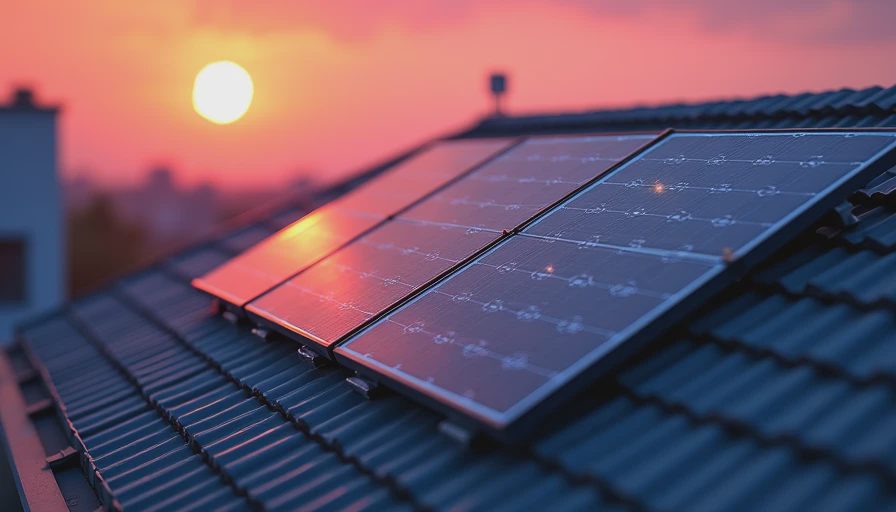
Solar Panel Installation for Home: Check the Physical Site
A good roof usually has several years of useful life remaining, limited shade, and enough uninterrupted space for the array. Asphalt shingles, standing-seam metal, and some tile roofs can all support solar, but the mounting method differs. If your roof is near replacement age, reroofing first is usually cheaper than removing and reinstalling panels later.
Shade deserves more attention than a sales presentation usually gives it. A chimney, dormer, mature tree, or neighboring building can reduce output during important morning or afternoon hours. Ask for a shade analysis based on your actual roof, not a generic satellite image. In my experience, one honest tree conversation is worth more than a glossy brochure.
The installer should also inspect roof framing, attic access, conduit routes, service equipment, and the location of the meter. A 200-amp service is common, but the available capacity and local electrical requirements determine how the system connects. Sometimes a main panel upgrade adds several thousand dollars. Sometimes a different connection method avoids it. The answer requires an electrical design, not a guess from the driveway.
What Solar Panel Installation for Home Usually Costs
For many US homeowners, a professionally installed rooftop system can land somewhere around $15,000 to $35,000 before incentives, depending on size, roof complexity, equipment, local labor, and electrical work. Batteries add substantially to the project. A single home battery can add roughly $10,000 or more after installation, although prices vary widely by product and site conditions.
Compare proposals using the same measurements. Look for system size in kilowatts, estimated first-year production, panel and inverter warranties, degradation assumptions, monitoring hardware, roof work, permits, interconnection, and the total cash price. A low price is not useful if it excludes trenching, panel upgrades, or the cost of moving an array around a future roof repair.
Pay attention to the inverter. Panel-level microinverters can simplify monitoring and perform well on roofs with multiple orientations or partial shade. A central string inverter can be less expensive and easier to service in some layouts. Neither option automatically wins; the roof design and installer support matter more than a brand argument.
Batteries, Backup Power, and Daily Loads
Solar panels do not provide backup power during an outage unless the system includes approved islanding equipment and a battery or other backup design. This surprises homeowners who assume a sunny afternoon means the refrigerator will keep running. Utilities shut down grid-connected solar during outages to protect line workers, so backup capability must be designed intentionally.
A battery can store midday production for evening use, provide limited outage power, and sometimes reduce demand charges. It also adds cost, replacement considerations, and more equipment to maintain. If your utility offers favorable export credits, a battery may have a weaker financial case. If export credits are poor or outages are frequent, storing energy becomes more valuable.
Before buying storage, measure your loads. My Home Assistant dashboard tracks the heat pump water heater, refrigerator, freezer, and fermentation chamber separately. That data showed which circuits mattered during an outage and which did not. A battery sized to run every appliance can be needlessly expensive; a smaller system supporting refrigeration, lights, internet, and selected outlets may be more practical.
Permits, Incentives, and Choosing an Installer
The installer generally handles building permits, electrical permits, utility interconnection, inspections, and permission to operate. Confirm those responsibilities in writing. Ask who owns the monitoring account, who files warranty claims, and what happens if the company closes or sells its business.
Get at least three detailed proposals. Look for an established local presence, current licensing, clear workmanship coverage, and references for similar roofs. National companies can offer standardized processes, while smaller contractors may provide more direct service. The right choice is the team that explains production assumptions and limitations without rushing you toward a contract.
Federal, state, utility, and local incentives can change. A federal clean-energy tax credit may reduce the tax burden for eligible homeowners, but a tax credit is not the same as an instant discount or refund. Verify current rules with official government resources and a tax professional. Also ask whether financing includes dealer fees. A loan advertised with a low monthly payment can have a much higher cash-equivalent price.
A Smarter Way to Judge Payback
Use conservative production and savings assumptions. Request estimated annual output, then compare it with your historical consumption and expected future loads. If you plan to add a heat pump or electric vehicle, model that separately rather than pretending the current bill represents the next twenty years.
Include inverter replacement risk, insurance changes, monitoring fees, roof maintenance, financing interest, and the value of exported electricity. A simple spreadsheet with optimistic, middle, and conservative cases is more useful than a single impressive savings number. For example, test what happens if production is lower than expected, utility rates rise slowly, or you move before the payback period ends.
Solar is often strongest when paired with efficiency. Air sealing, attic insulation, efficient heat-pump water heating, and smart load scheduling can reduce the array size needed. Moving laundry or water heating into sunny production hours can improve self-consumption without changing how the family lives.
Questions to Ask Before Signing
Ask the installer how the design handles shade, snow, roof access, and future repairs. Ask for the exact equipment model numbers, expected annual production, and a month-by-month estimate. Confirm the roof warranty, workmanship warranty, equipment warranty, and who pays labor if a failed component must be replaced.
Ask when construction starts, when inspection occurs, and when the utility grants permission to operate. Do not assume installation day means the system is producing bill credits. There can be a gap of several weeks while permits and utility approvals move through the process.
Finally, ask what the proposal does not include. The exclusions often reveal the real budget risk: tree removal, structural reinforcement, service upgrades, reroofing, trenching, internet service for monitoring, or battery backup. Clear answers are a good sign; confident hand-waving is not.
Solar panel installation for home can be a durable, measurable upgrade when the system is sized around real usage and installed on a sound roof. Start with bills, inspect the electrical infrastructure, compare complete proposals, and treat batteries as a separate decision. The best project is not necessarily the biggest array. It is the one that fits your house, utility, budget, and plans for the next decade.




Letters
No letters yet — be the first to write.