A heat pump install is one of the bigger energy upgrades you can make without tearing open every wall in the house. It can replace an air conditioner and, in many homes, the furnace too. I learned that firsthand in 2022, when I replaced the aging HVAC system in my 2003 Boise house. The equipment worked. The planning mistakes were mine. I sized around the old furnace, underestimated the electrical details, and spent several evenings correcting assumptions that should have been settled before the crew arrived.
A heat pump is essentially an air conditioner that can run backward. In summer, it moves heat outside. In winter, it moves heat inside. That simple explanation matters because the system is not creating heat with a glowing electric element every time it runs. It is moving available heat, which is why a properly selected unit can deliver several units of heat for each unit of electricity under reasonable conditions.
Start with the load, not the square footage
The first question is not, “How many tons does my house need?” It is, “How much heating and cooling does the house actually lose or gain?” Square footage is a rough clue, not a design method. Two 2,400-square-foot houses can need very different equipment because of windows, insulation, air leakage, ceiling height, duct design, and exposure to sun and wind.
Ask the contractor for a room-by-room load calculation, commonly called a Manual J calculation. It estimates heating and cooling demand for the specific home. The matching duct and equipment selection should follow that result. A contractor who chooses a replacement based only on the old furnace label is using history as a shortcut.
Oversizing is not harmless. A giant system can cool the house quickly but cycle off before it removes enough humidity. That creates temperature swings, clammy rooms, and more startup wear. An undersized system can run for long periods during the coldest or hottest weather, which is not automatically bad, but it needs a backup strategy and ductwork that can support the airflow.
My original proposal treated the existing 80,000-Btu furnace as proof of heating demand. A later review showed that the old furnace had been oversized for years. The replacement heat pump was smaller, ran longer, and kept the house more even. That is the kind of correction a load calculation should make before anyone orders equipment.
What a heat pump install actually costs
For a typical US home, a ducted heat pump install can land roughly between $8,000 and $18,000 before incentives, depending on capacity, electrical work, duct changes, indoor air handler, labor rates, and whether backup heat is included. A straightforward replacement may cost less. A home needing a new panel, long refrigerant lines, duct repairs, or multiple zones can climb above that range.
Ductless mini-split systems often run about $4,000 to $12,000 for one or two zones, with larger multi-zone projects costing more. They are useful for additions, converted garages, rooms with poor duct access, and houses where extending ductwork would require major demolition. They are not automatically the best answer for every whole-house application.
The quote should identify the outdoor unit, indoor unit, heating capacity at a stated outdoor temperature, cooling capacity, efficiency ratings, backup heat, thermostat, line-set work, condensate drainage, permits, startup testing, and disposal of the old equipment. “Install heat pump system” is not a useful scope of work by itself.
Rebates and tax credits can materially change the math, but eligibility depends on equipment efficiency, household income rules, location, and current program requirements. Utility rebates are separate from federal incentives and can change during the year. Put the incentive paperwork in the project schedule, not in a hopeful note on the side of the estimate.
Electrical and cold-weather details
A heat pump install is also an electrical project. The outdoor unit may need a dedicated circuit, and electric backup heat can require substantial additional capacity. Have the contractor verify the service rating, panel space, breaker size, wire size, disconnect, and available load before installation day. A 200-amp service is not a guarantee that every panel has unlimited spare capacity.
In my house, the outdoor unit fit the existing service, but the air handler and backup heat configuration needed closer attention. I also wanted circuit-level monitoring, so I left room for a power monitor and labeled the panel while everything was accessible. That small decision made later troubleshooting much easier.
Cold-weather performance deserves equal attention. Modern cold-climate heat pumps can operate at low temperatures, but capacity and efficiency decline as outdoor temperature falls. Ask for the unit’s performance data at temperatures that match your winter, not just its headline rating at mild conditions. Decide whether backup heat will be electric resistance, an existing furnace in a dual-fuel setup, or another approved source.
A good installer will explain defrost cycles. During defrost, the system temporarily reverses operation to clear ice from the outdoor coil. You might hear the unit change sound or see vapor rising. That is normal. Poor drainage, however, is not normal; melting ice should not create a dangerous sheet of ice beside a walkway.
Contractor questions that prevent expensive surprises
Before signing, ask who performs the load calculation, who verifies duct airflow, and who completes commissioning. Ask for measured refrigerant charge, static pressure, temperature split, and electrical readings at startup. These are not exotic requests. They are basic evidence that the system is operating as designed.
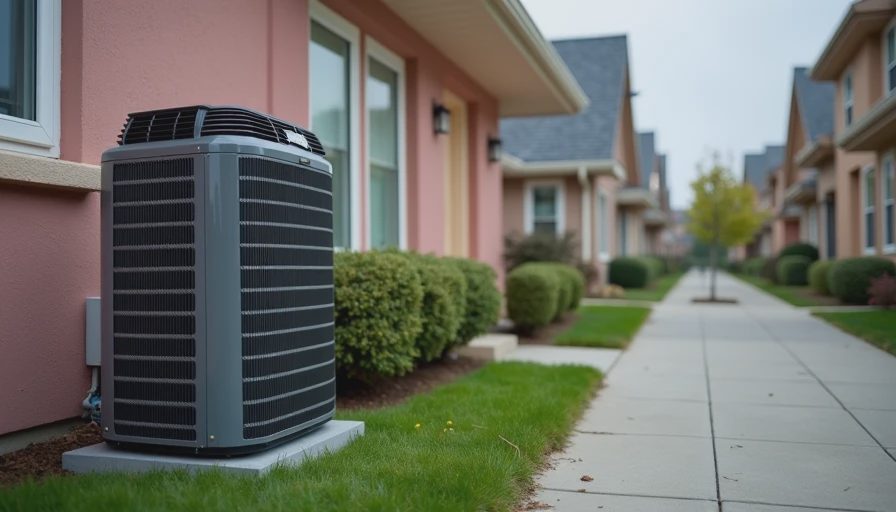
Confirm whether the quote includes permits and inspections. Ask where the condensate drain terminates, how the outdoor unit will be supported, and how snow, leaves, and roof runoff will be kept away from the coil. If the system uses a communicating thermostat, ask what happens if that thermostat fails or is replaced. Proprietary controls can deliver useful diagnostics, but they can also complicate future repairs.
Brand choice matters less than the match between equipment, installer, and service support. Mitsubishi, Daikin, Bosch, Carrier, Trane, Lennox, and other manufacturers offer valid options across different system types. I would choose a correctly sized, properly commissioned system from a capable local contractor over a premium badge installed carelessly.
How to judge the payback
Do not compare a heat pump install only with a new air conditioner. Compare the full alternative: replacing the furnace, replacing the air conditioner, repairing ducts, and paying for fuel and electricity over time. A heat pump can improve cooling, reduce combustion equipment, and simplify the mechanical room even when the first-year energy savings are modest.
Track actual consumption after the project. I use smart-meter data and a clamp on the HVAC circuit, then compare similar weather periods rather than random monthly bills. Heating degree days and cooling degree days matter because a mild winter can make any system look spectacular. Comfort data matters too: room temperatures, runtime, humidity, and complaints from the family are all part of the result.
For example, a homeowner spending $1,800 annually on combined heating and cooling might save $300 to $700 per year after a well-designed conversion, but the range depends heavily on fuel prices, insulation, climate, and operating habits. Incentives can shorten the payback. Air sealing and attic insulation can improve it further by reducing the load the equipment must serve.
A practical installation checklist
Get two or three detailed proposals, not three one-line prices. Before the crew arrives, complete these steps:
- Request the heating and cooling load calculation.
- Confirm equipment capacity at your actual design temperatures.
- Inspect ducts, returns, filters, and airflow restrictions.
- Verify electrical service, circuit requirements, and backup heat.
- Record rebate and tax-credit documentation requirements.
- Confirm permits, warranty terms, startup testing, and service contacts.
- Photograph wiring, equipment labels, and filter dimensions.
- Set a reminder to replace filters and review energy data after 30, 90, and 180 days.
The best heat pump install is not the one with the flashiest brochure. It is the one that matches the house, fits the electrical system, moves air quietly, drains safely, and produces numbers you can verify. I still watch mine in HouseOS, alongside the solar and water-heater circuits. The dashboard is fun, but the real win is simpler: fewer cold rooms, steadier bills, and a house that works for you instead of the other way around.

Letters
No letters yet — be the first to write.