Learning how to install solar panels for homes starts with an uncomfortable truth: the panels are often the easy part. The hard work is sizing the system correctly, checking the roof, navigating permits, and connecting everything safely to the electrical panel. I learned this while turning my 2003 Boise house into a grid-aware test lab. Solar is not magic, but a well-designed system can reduce a large electric bill for decades.
Start with the numbers, not the roof
Before getting quotes, collect twelve months of utility bills. Record total kilowatt-hours, not just the dollar amount, because rates change. My own house used roughly 1,000 to 1,400 kilowatt-hours per month during hot summers when the heat pump and irrigation were both working. A future electric vehicle or heat pump water heater will push that number higher.
A basic sizing estimate is straightforward. Divide your annual electricity use by the expected annual production of one kilowatt of solar in your area. In southern Idaho, one kilowatt might produce around 1,400 to 1,600 kilowatt-hours per year, but roof direction, shade, snow, and equipment losses all matter. A 7-kilowatt system could therefore produce close to 10,000 kilowatt-hours annually under favorable conditions.
This is where how to install solar panels for homes becomes a design problem rather than a weekend project. Oversizing the array can leave you paying for energy your utility credits poorly. Undersizing it can make the project look disappointing after your air conditioner, water heater, and car become electric.
Inspect the roof before signing anything. Asphalt shingles near the end of their life should usually be replaced first, because removing panels later can add several thousand dollars. Look for tree shade between 9 a.m. and 3 p.m., attic moisture, damaged sheathing, and an electrical service that may need an upgrade.
Choose the system architecture
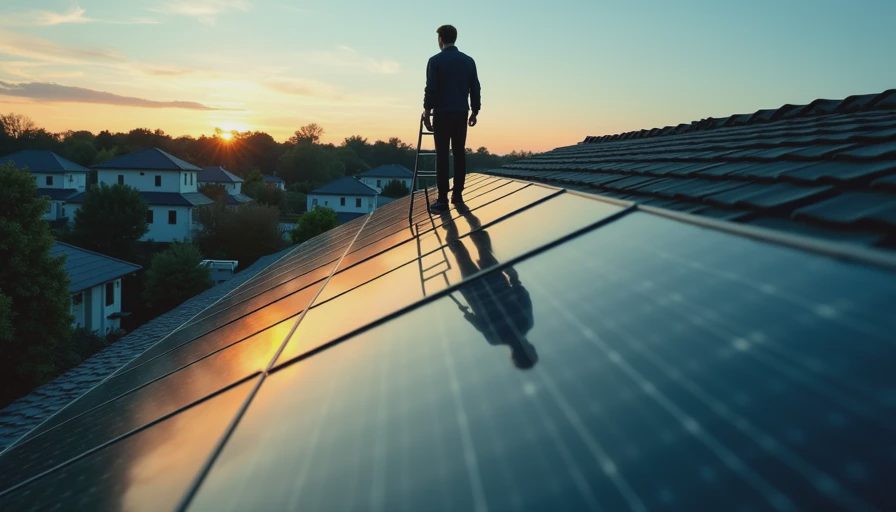
Most home systems use solar modules, an inverter, mounting hardware, rapid shutdown equipment, and a production meter. The inverter changes the panels' direct-current output into the alternating current used by your appliances. Think of it as a translator between the roof and the breaker panel.
String inverters connect several panels together and are often the lower-cost option when the roof has one broad, unshaded plane. Microinverters sit behind individual panels, which can help when roof sections face different directions or receive partial shade. Power optimizers occupy a middle ground. None is universally best; the roof layout should decide.
A battery is a separate decision, not an automatic part of solar. It can provide backup power and shift solar energy into evening hours, but a typical home battery can add roughly $10,000 to $20,000 before incentives and installation details. If your goal is simply reducing annual utility purchases, panels alone may offer a faster payback. If backup matters, ask which circuits the battery can actually support. Running a refrigerator, internet equipment, lights, and a gas furnace blower is very different from running central air conditioning.
Permits, interconnection, and safe installation
The safest answer to how to install solar panels for homes is to separate homeowner planning from licensed electrical work. In many jurisdictions, a homeowner can participate in design or install some mounting components, but the utility connection, service equipment, and final inspection require qualified professionals. The exact rules depend on your city, county, and utility.
The normal sequence is a site assessment, engineering plan, permit application, installation, electrical inspection, utility approval, and permission to operate. Do not switch a system on before the utility approves interconnection. A grid-tied array can send power onto utility lines, so the system needs approved equipment and operating controls.
Get the permit drawings before work begins. They should show roof attachment points, array layout, inverter location, conductor routing, disconnects, grounding, rapid shutdown, and the connection to the service panel. If the installer cannot explain where those components will go, keep interviewing installers.
I would also ask for proof of licensing, insurance, and workmanship warranty coverage. Obtain at least three written proposals with identical assumptions. A $24,000 quote and a $31,000 quote may not be comparing the same panel capacity, roof repairs, monitoring equipment, or electrical upgrades.
Understand the real cost and payback
Residential solar pricing varies widely, but a professionally installed system can easily land in the $2.50 to $4.00-per-watt range before incentives. That puts a 7-kilowatt system around $17,500 to $28,000, with batteries, roof work, panel upgrades, and difficult access adding more. Financing can make the monthly payment look attractive while increasing the total project cost, so compare the cash price, loan interest, dealer fees, and early payoff rules.
The federal residential clean energy credit has historically allowed eligible homeowners to claim 30% of qualified solar and battery expenses, subject to current tax rules and personal tax liability. Tax credits are not instant rebates, and they do not automatically make an uneconomic project worthwhile. State incentives and utility buyback rules can change the math even more.
For a simple payback estimate, divide your net project cost by expected annual bill savings. A $21,000 net system saving $1,500 per year has a rough fourteen-year payback. That calculation should include inverter replacement planning, reduced export credits, and degradation. Solar panels typically continue producing for 25 years or more, but output gradually declines.
How to install solar panels for homes also means understanding your utility rate structure. If exported energy earns only a partial credit, using solar power during the day becomes more valuable. Scheduling a heat pump water heater, laundry, or vehicle charging for midday can improve the result without buying a battery.
Review the installation before final payment
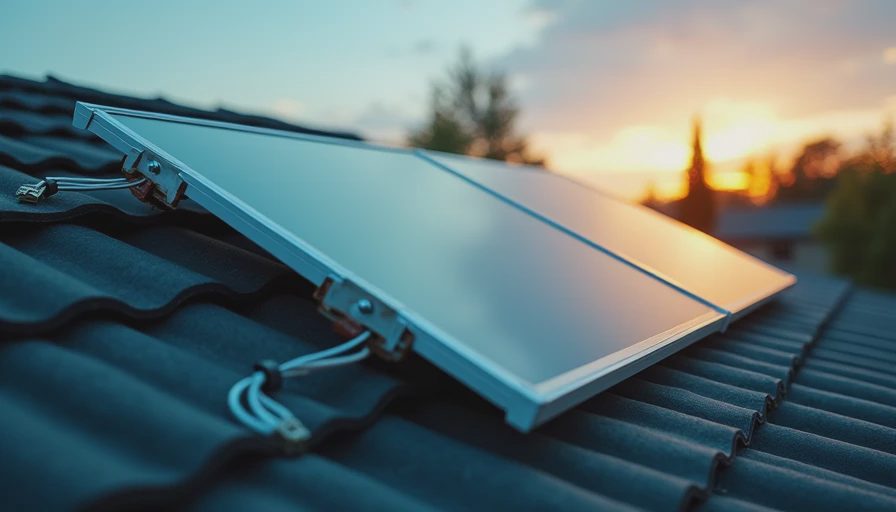
On installation day, photograph the roof attachments, conduit routes, inverter labels, and electrical equipment. Confirm that roof penetrations are properly flashed and that conduit is secured rather than loosely draped along the siding. Inside, verify that equipment is accessible and clearly labeled. Ask the crew to demonstrate the emergency shutdown procedure.
After inspection and utility approval, open the monitoring app and compare production with the installer’s estimate. A sunny day will not always match the brochure because temperature, haze, snow, and shading affect output. Look for persistent problems: one panel producing much less than its neighbors, repeated inverter faults, or a system that stops reporting while the house still has power.
Keep the permit, final inspection record, equipment warranties, interconnection approval, and monitoring credentials in one folder. Future roof repairs and home sales become much easier when the paperwork is organized.
When solar is the right next upgrade
Solar makes the most sense after basic efficiency work. Air sealing, attic insulation, efficient lighting, and correcting duct leaks can reduce the system size you need. In my house, monitoring the heat pump and water heater first showed where electricity was actually going; assumptions were often wrong. The dashboard was more useful than another sales presentation.
If the roof is shaded, structurally questionable, or due for replacement, solar may not be your next project. If you expect to move within a few years, compare the likely resale benefit with the remaining loan balance. If you plan to add electric heating or vehicle charging, size for that future load rather than yesterday's bill.
The best how to install solar panels for homes plan is boring in the best way: measured loads, a sound roof, clear contracts, permitted wiring, and realistic utility credits. Start with an energy audit, request detailed proposals, and treat battery storage as an optional tool instead of a sales requirement. Your house should work for you, not the other way around.


Letters
No letters yet — be the first to write.