Installing a heat pump is less like replacing a furnace and more like upgrading the operating system of your house. The equipment heats, cools, filters, and dehumidifies, but the result depends heavily on sizing, ductwork, insulation, and controls. When I replaced the aging gas furnace and central air conditioner in my 2003 Boise house, the hardware was only half the project. The other half was understanding how the house actually used energy.
My old system could push 125-degree air through the vents, then shut off with a satisfying mechanical thump. The heat pump delivered warmer-than-expected air at a steadier pace. That felt strange for about a week. Then the January utility data started making sense: fewer dramatic temperature swings, lower gas use, and a more even upstairs temperature. Here is how I would approach the project now, including the mistakes I made the first time.
Start With the House, Not the Equipment
The first step in installing a heat pump is a load calculation, not a trip to the appliance showroom. A contractor should estimate how much heating and cooling your rooms require based on floor area, windows, insulation, air leakage, and local design temperatures. This is different from matching the new unit to the nameplate on your old furnace.
Oversizing is a common mistake. A system that is too large can cycle frequently, feel less comfortable, and remove less humidity during summer. Undersizing is not automatically disastrous because many modern variable-speed units can run longer at lower output, but the design still needs to cover your actual winter conditions. Ask for the calculated heating load and the equipment capacity at a cold outdoor temperature, not just the maximum rating printed in a brochure.
Before the quote, spend $300 to $700 on an energy audit if your home has obvious drafts or uneven rooms. Sealing attic bypasses and weather-stripping doors may cost less than buying a larger heat pump. In my case, the upstairs hallway was not a heat-pump problem; it was a leaky return-air path and thin attic insulation problem.
Choose the Right System and Backup Plan
Installing a heat pump can mean several different things. A ducted air-source system can replace both a conventional air conditioner and much of the work done by a furnace. A ductless mini-split is useful for additions, garages, and homes without practical ductwork. A dual-fuel setup uses the heat pump during moderate weather and a gas furnace during colder periods. Ground-source systems are efficient, but excavation and drilling make them a much larger project.
For most existing American homes, a cold-climate air-source heat pump is the practical starting point. Look beyond the seasonal efficiency number. Compare heating capacity at 17 degrees and at the lowest temperature your contractor designs for. Ask whether the outdoor unit has a crankcase heater, how defrost cycles work, and what the manufacturer allows for auxiliary heat.
Backup heat deserves a real conversation. Electric resistance strips are simple but can draw several times more power than the compressor. A gas furnace can provide fast recovery, although it adds combustion equipment and maintenance. My installer initially proposed oversized electric backup heat. I pushed back after checking my 200-amp panel capacity and selected a smaller staged option instead.
Budget for More Than the Outdoor Unit
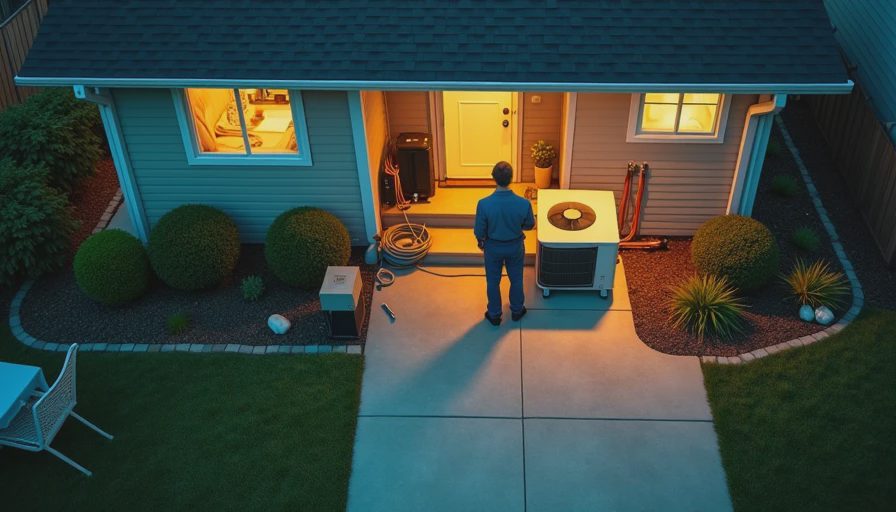
The cost of installing a heat pump commonly lands somewhere between $8,000 and $18,000 for a whole-home replacement, depending on capacity, duct changes, electrical work, regional labor, and whether the old furnace is removed. High-end ducted systems or major panel upgrades can push the project above that range. A mini-split serving one or two zones may cost $4,000 to $12,000.
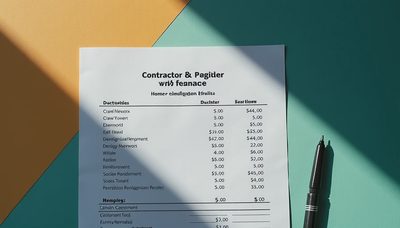
Get an itemized quote. It should identify the indoor air handler, outdoor compressor, thermostat, disconnect, pad, refrigerant lines, condensate drain, permits, startup testing, and disposal. If the quote says “complete installation” but does not mention electrical scope or duct sealing, ask direct questions.
Check federal, state, and utility incentives before signing. Rebates often depend on income, efficiency ratings, equipment certification, or whether the project replaces a qualifying system. Rules change, so use current IRS and utility guidance rather than relying on a contractor’s old flyer. Financing can make the monthly payment look attractive while hiding a high total price; compare total repayment with the expected energy savings.
Treat Electrical and Ductwork as First-Class Work
Installing a heat pump often changes the electrical load even when the house already has central air. The contractor should verify breaker size, wire gauge, disconnect location, service capacity, and the rating of the indoor air handler. A 15-kilowatt resistance heater can demand roughly 62.5 amps at 240 volts by itself. That is why backup heat can determine whether a panel upgrade is necessary.
Ductwork deserves equal attention. A powerful blower cannot fix undersized returns, crushed flex duct, disconnected insulation, or leaks in an attic. Have the installer inspect static pressure and seal accessible joints with approved mastic. If one bedroom has always been too hot, do not accept “that room is just like that” as the final diagnosis.
My first installation quote did not include balancing. After startup, the living room was comfortable while the office was chilly. We added a return grille and adjusted dampers, which solved more than changing the thermostat ever would have. The expensive machine was not the weak link; airflow was.

Plan Controls, Noise, and Maintenance
A heat pump works best when it runs steadily, so constant thermostat setbacks are not always helpful. I use a modest nighttime adjustment through Home Assistant rather than turning the system off and demanding a large morning recovery. The goal is boring consistency: a small temperature change, no frantic auxiliary-heat call, and a house that feels the same in every room.
Installing a heat pump also means learning its normal sounds and behavior. The outdoor fan may stop during a defrost cycle. Vapor from the coil can look like smoke in cold weather. The system may briefly use backup heat after a large setback. Those events are not automatically failures, but a temperature sensor and circuit monitor make them easier to understand.
Replace filters on a schedule that matches dust, pets, and construction activity. Keep leaves away from the outdoor coil, leave clearance around the cabinet, and schedule professional service when airflow or performance changes. I monitor compressor runtime, indoor temperature, outdoor temperature, and total electrical use in HouseOS. A dashboard is not required, but a monthly utility-bill review is. It quickly shows whether the system is delivering comfort efficiently.
What the Payback Really Looks Like
The financial case for installing a heat pump depends on what it replaces. A home with expensive electric resistance heat can see a large reduction in heating energy. A home with relatively cheap natural gas may save less, especially when electricity rates are high. Cooling efficiency, maintenance, incentives, and the avoided cost of replacing an old air conditioner also belong in the calculation.
Use conservative assumptions. Compare the past 12 months of gas and electricity, normalize for weather when possible, and separate heating from the rest of household consumption. A spreadsheet with three scenarios is useful: low energy savings, expected savings, and a case with higher repair costs for the old system. My project made more sense because the furnace and air conditioner were both near replacement age, not because a heat pump magically erased every utility bill.
The comfort improvement was the part no spreadsheet predicted. Rooms stopped alternating between chilly and overheated, and the summer system ran quietly at low speed. If you size the equipment correctly, fix the air distribution, and understand the electrical work, installing a heat pump becomes a controlled home upgrade rather than a gamble. Your house should work for you, not the other way around.

Letters
No letters yet — be the first to write.