If you are researching how to install a heat pump, start with the part most online guides skip: the equipment is only one piece of the system. Heating load, ductwork, electrical capacity, refrigerant lines, drainage, controls, and commissioning all affect the result. A heat pump can cut fossil-fuel use and provide efficient air conditioning, but a poorly sized or poorly installed unit can create high bills and uncomfortable rooms.
I learned that lesson during my own 2022 retrofit. The outdoor unit was not the problem. The surprise was how much air leakage and duct imbalance limited its performance. Your house should work for you, not the other way around, so treat this as a design project rather than an appliance swap.
Decide Which Heat Pump Fits Your House
The first decision is the system type. A ducted air-source heat pump can replace a central air conditioner and often connect to existing forced-air ductwork. A ductless mini-split uses an outdoor unit connected to one or more indoor heads, making it useful for additions, workshops, and homes without ducts. A dual-fuel system combines a heat pump with a gas furnace for colder conditions, although modern cold-climate heat pumps can often heat well below freezing when correctly selected.
Do not choose capacity from square footage alone. A 2,000-square-foot house with tight insulation and sunny south-facing windows can need less heat than a smaller, leaky house. Ask for a room-by-room heating and cooling load calculation, commonly called a Manual J calculation. It should account for insulation, windows, orientation, air leakage, and local design temperatures. Oversizing may cause short cycling in cooling season, while undersizing can leave the system running continuously on the coldest nights.
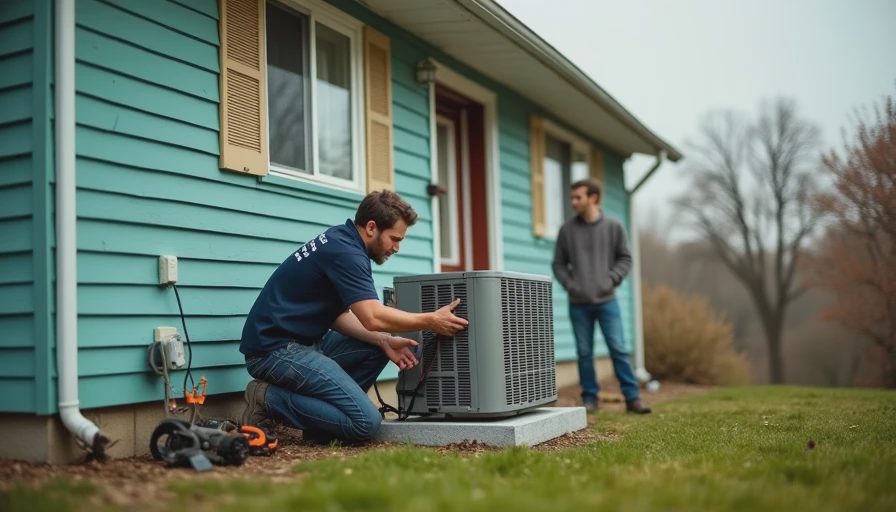
Before installation, inspect the envelope and distribution system. Seal obvious duct leaks with approved mastic, replace a collapsed flex-duct section, and verify that return-air pathways are adequate. If a bedroom door closes and airflow nearly stops, the system needs a return path or transfer grille. Spending $500 to $2,000 on duct repairs and air sealing can be more valuable than paying extra for a premium outdoor unit that cannot deliver its rated performance through restricted ducts.
How to Install a Heat Pump Safely
Homeowners can handle planning, access, monitoring, and some cosmetic work. The actual installation should generally be completed by licensed HVAC and electrical professionals. Refrigerant circuits require specialized tools, recovery procedures, and leak testing. The disconnect, breaker, wiring, grounding, and panel work must follow the equipment instructions and local electrical code. Some installations also require permits and inspections.
A normal project begins with equipment placement. The outdoor unit needs stable support, clear airflow, and enough separation from walls, snow, leaves, and roof runoff. In Boise, I care about snow clearance and winter drainage; in coastal areas, corrosion protection deserves more attention. The indoor coil or air handler is installed in the supply path, and the technician connects insulated refrigerant lines, condensate drainage, control wiring, and duct transitions.
The installer should pressure-test the refrigerant lines with an inert gas, evacuate the system with a vacuum pump, and verify that the vacuum holds before opening the factory charge. That sequence matters. Moisture or a small leak can damage the compressor and reduce capacity long before a homeowner notices a problem. The technician should also confirm airflow, temperature split, defrost operation, auxiliary heat settings, and thermostat wiring rather than simply turning the system on.
Budget for the Whole Project
In the United States, a straightforward ducted replacement often lands somewhere around $8,000 to $16,000 before incentives. A multi-zone mini-split, panel upgrade, new ductwork, extensive air sealing, or difficult line-set route can push the project beyond $20,000. Quotes differ substantially by region and building conditions, so compare scope instead of choosing only the lowest number.
Request written details for model numbers, heating capacity at low outdoor temperatures, electrical requirements, warranty terms, labor, permits, startup testing, and removal of old equipment. A quote that omits a disconnect, condensate protection, pad, line-hide, or code-required electrical work may look cheap until change orders appear.
Federal, state, and utility incentives can change the math. The federal energy-efficient home improvement credit has specific equipment and installation requirements, and utility programs frequently use approved-model lists. Confirm current rules before signing a contract because tax credits and rebates change. A $12,000 project with $2,000 in incentives is a different investment from a $12,000 project with no assistance.

Connect the System to Useful Data
The best answer to how to install a heat pump includes commissioning and measurement, not just mounting hardware. Put a temperature sensor in a representative living area, not directly beside the thermostat or a supply register. Track outdoor temperature, indoor temperature, runtime, and electricity consumption with a compatible energy monitor or smart panel clamp.
My HouseOS dashboard showed a problem that comfort complaints did not reveal: the backup heat setting was engaging too quickly during shoulder-season mornings. A contractor adjusted the control logic, and the system stopped using expensive resistance heat for minor temperature changes. Resistance backup is essentially a large electric toaster, so it should be reserved for conditions the heat pump cannot reasonably handle.
Avoid aggressive thermostat setbacks unless your installer confirms the system can recover efficiently. Heat pumps usually perform best with steady operation and modest adjustments. A smart thermostat is useful when it exposes runtime and fault information, but automation should not override defrost cycles or manufacturer limits. Simple data beats a wall full of disconnected gadgets.
Final Checks Before You Sign Off
At startup, ask the technician to demonstrate heating and cooling modes, filter access, condensate protection, emergency shutoff, and outdoor-unit clearance. Photograph the model and serial numbers, breaker label, refrigerant line route, and thermostat wiring. Keep the commissioning sheet, permit record, warranty registration, and maintenance instructions in one digital folder.
For the first month, compare indoor temperatures by room and review electricity use against outdoor conditions. A heat pump does not need to run silently every minute, but unusual rattling, repeated short cycles, ice that never clears, or large room-to-room temperature differences deserve attention. Replace filters on schedule and keep the outdoor coil clear without bending its fins.
Learning how to install a heat pump is really learning how the house, electrical system, controls, and HVAC equipment interact. Get the load calculation right, improve the ducts before blaming the machine, and insist on documented commissioning. The result is not just lower energy use; it is a quieter, more predictable home that gives you useful data instead of surprises.

Letters
No letters yet — be the first to write.