The Saturday That Started with Confidence and Ended with a Second Receipt
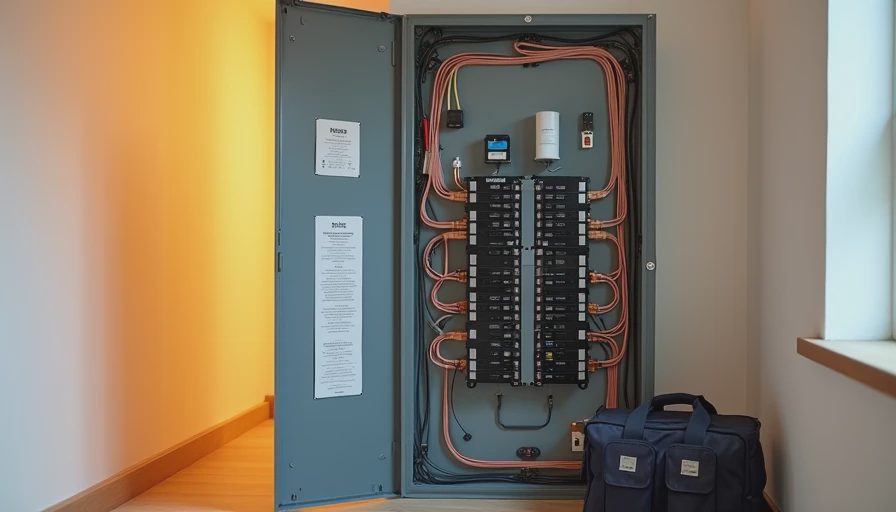
I had been staring at the old 200-amp panel for months. Circuit-level monitors were already clipped on, Home Assistant was already collecting data, and the heat pump and solar were already changing how the house used energy. The next logical step was a proper smart panel that could give me per-circuit control and cleaner monitoring without a forest of external CTs.
The plan looked reasonable on Friday night: shut off the main, swap the panel, land the new breakers, transfer the circuits, power up, and be done by mid-afternoon. Reality required ten hours, two trips to Home Depot, and a level of patience I usually reserve for stubborn network outages.
This is the honest version of that install day.
Your house should work for you, not the other way around. Sometimes the path to that goal runs through a longer Saturday than you budgeted.
Why a Smart Panel Made Sense at This Point
The external monitoring had already proven its value. What it could not do cleanly was disconnect individual circuits under automation or give me manufacturer-supported, panel-integrated data. A smart panel promised both: integrated metering and the ability to shed or schedule specific loads without extra smart breakers scattered around the house.
I chose a system compatible with the existing service size and with a clear path into Home Assistant. The decision was driven by data needs and future flexibility, not by a desire to own the newest hardware for its own sake.
The Morning: Demolition and the First Surprise
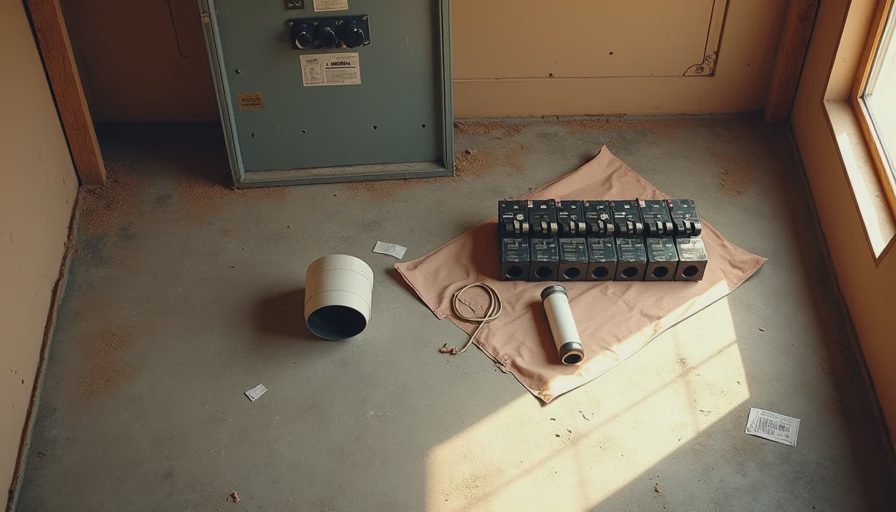
Main breaker off. Cover removed. Every circuit photographed and labeled one more time. Then the careful process of removing the old breakers and disconnecting the branch circuits. This part went according to plan.
The first surprise appeared when the new panel was set in place. The knockout arrangement and the neutral/ground bar positions did not line up with the existing conduit entries as cleanly as the rough measurements had suggested. One rigid conduit needed a slight reroute. That required a connector I did not have.
First Home Depot run.
While I was gone, the house sat cold and dark. Taryn had already moved the contents of the fridge into coolers as a precaution. The kids treated the whole day like an indoor camping trip. The mood remained surprisingly good—proof that clear communication before the power cut matters more than most technical details.
The Afternoon: Landing Circuits and the Second Surprise
With the new fitting in hand, the panel went up, the neutrals and grounds were landed, and the branch circuits began moving over one at a time. I tested each circuit before declaring it done. Most behaved. A couple of multi-wire branch circuits required extra attention to keep the neutrals correctly paired.
Late in the afternoon the second gap appeared: a specific bus jumper and a handful of correctly sized smart breakers for the high-load circuits were not in the original kit in the quantities I needed. The panel could be energized with standard breakers as a temporary measure, but that defeated part of the purpose.
Second Home Depot run.
By the time I returned, the sun was low. The final smart breakers went in, the system powered up, and the commissioning process began. The panel came online, the app saw the circuits, and Home Assistant eventually received the data after the usual certificate and integration wrestling.
What the Ten Hours Actually Taught Me
Measure the physical interface between old conduit and new panel more carefully than you think you need to. Knockouts and bar placements vary.
Have a small stock of common fittings, extra wire nuts, and a couple of spare breakers on site before you open the panel. Two store runs turn a long day into a longer one.
Keep the house livable during the outage. Coolers, charged battery packs, and a clear timeline keep the rest of the family on your side.
Commissioning is not the same as “power is back.” Budget time for the software side—app setup, circuit naming, integration with the existing monitoring stack—while everyone still has daylight and patience.
Finally, accept that a clean-looking finished panel photo usually hides a day that included at least one unexpected hardware run. That is normal.
The Result After the Dust Settled
The new panel delivers cleaner per-circuit data and the ability to control specific loads directly. The external CTs were removed, reducing clutter inside the can. Automations that used to rely on work-arounds can now talk to the panel natively. The install was not elegant in real time, but the finished state is more maintainable and more capable than what it replaced.
I would still do the upgrade. I would simply start the day with a more complete parts list and a more conservative time estimate.
The house is quieter on the electrical side now. The data is cleaner. The Saturday was longer than the plan, but shorter than living indefinitely with the limitations of the old setup.
Your house should work for you, not the other way around. A smart panel is one more step in that direction—provided you bring snacks, spare fittings, and realistic expectations to the job.
Letters
No letters yet — be the first to write.