
The Upgrades That Cleared the Bar Fast
Most energy projects are sold on long-term savings. That is fine for big-ticket items. It is less helpful when you are trying to decide where to spend the next Saturday and the next few hundred dollars. I started tracking simple payback on every measure we completed after the baseline audit. A surprising handful crossed the finish line in less than a year.
These are the five that did it. Not theoretical. Not national averages. Actual costs, actual measured savings, and actual timelines from one 2,400-square-foot Boise house that began as a leaky 2003 builder-grade box.
Your house should work for you, not the other way around. Sometimes that starts with the projects that pay you back before the next heating season is over.
1. Targeted Air Sealing After the Blower-Door Test
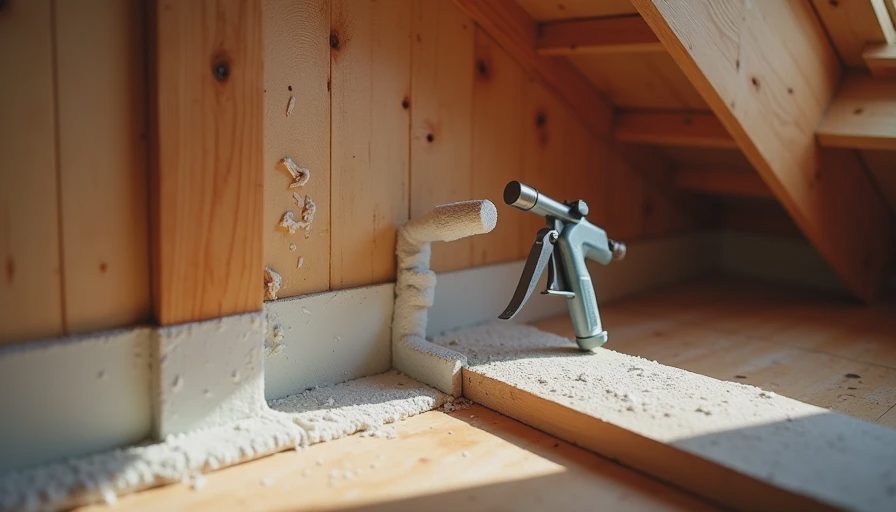
The first major sealing pass—attic top plates, rim joists, attic hatch, and the biggest penetrations—cost less than a mid-range appliance once materials and a modest amount of professional help were totaled. The reduction in leakage (from 6.8 to 4.1 ACH50 on the retest) produced immediate, measurable drops in heating runtime. Circuit-level data and the utility bills both confirmed it. Simple payback landed under ten months.
Why it was so fast: air leakage is continuous. Every hour the house is heated or cooled, a leaky envelope wastes energy. Fixing the largest holes is one of the highest-leverage moves available in a typical 1990s–2010s house.
2. Attic Insulation Top-Up
We added insulation to bring the attic up to a modern effective level after the air-sealing work was complete. Material cost was moderate; the labor was partly DIY. The combination of reduced heat loss in winter and reduced heat gain in summer showed up clearly in the shoulder-season bills. Payback crossed the twelve-month line with room to spare once the heat-pump interaction was included.
The key was sequence. Insulation without sealing is less effective. Sealing first made every bag of insulation work harder.
3. Duct Sealing in the Unconditioned Attic
The baseline duct-leakage test had shown nearly 18 percent loss. Sealing the accessible supply and return runs in the attic with mastic and proper tape was dusty, unglamorous work. It was also one of the fastest paybacks on the list. Delivered heating and cooling increased immediately; the heat pump no longer had to compensate for air that was disappearing into the attic. Measured payback was well under a year.
If your ducts run through unconditioned space and have never been sealed, this is one of the least glamorous and most reliable upgrades available.
4. Heat-Pump Water Heater Replacement
The old electric resistance water heater was a steady high-load citizen on the circuit monitors. Replacing it with a heat-pump water heater cut the energy used for hot water dramatically. After the utility rebate the net cost was low enough that the measured monthly savings brought simple payback inside twelve months. The basement location and the existing circuit made the install straightforward.
This one benefits from the same rule as the others: measure first, then replace. The circuit-level data made the savings obvious and the decision easy.
5. Smart Scheduling and Load Shifting on the Existing Heat Pump
This was the lowest-cash-cost item on the list. Once the heat pump and the time-of-use rate were both in place, a set of Home Assistant automations shifted flexible runtime out of the peak window and allowed modest temperature drift when the house was empty or asleep. No new hardware beyond what we already owned. The reduction in on-peak consumption produced bill savings that recovered the (very small) time investment in under a year—and then simply continued.
Software is not free in effort, but it can be extremely fast to pay back when the underlying rate structure rewards timing.
What These Five Have in Common
None of them were exotic. All of them addressed either continuous losses (air, ducts, insulation) or high-hour loads (water heating, peak-period HVAC). All of them were sized and prioritized against real data from the house rather than against generic rules of thumb. And all of them produced savings that were visible in the utility bills and the monitoring dashboards without requiring heroic behavior changes.
Big projects like the full heat-pump conversion and the solar array have longer paybacks and different justifications. These five were the ones that cleared the one-year bar and built momentum for everything that followed.
How to Find the Fast Paybacks in Your Own House
Start with measurement. A blower-door test, a duct-leakage test, and a few weeks of circuit-level or whole-house monitoring will point to the continuous losses and the high-hour loads faster than any product brochure.
Sequence matters. Seal before you insulate. Fix ducts before you upsize equipment. Use software to optimize what you already own before you buy more hardware.
Track simple payback honestly. Include the actual net cost after rebates and the actual measured savings after weather adjustment. If a project cannot clear a reasonable hurdle rate on those numbers, it may still be worth doing for comfort or resilience—but it is not a fast financial win.
Finally, celebrate the boring upgrades. The projects that pay for themselves in under a year are rarely the ones that look exciting on social media. They are the ones that quietly stop the house from wasting money every hour of every day.
Your house should work for you, not the other way around. The fastest way to get there is often the work that stops the leaks first.



Letters
No letters yet — be the first to write.