Branch circuit monitoring is the closest thing to a utility bill with the detective work already done. Instead of seeing one monthly total, you can see how much electricity the heat pump, water heater, dryer, well pump, and refrigerator actually consume. That detail matters when you are deciding which upgrade deserves your next dollar.
I started paying serious attention after our 2003 Boise house got a heat pump. The monthly bill changed, but the bill alone could not tell me whether the improvement came from better heating, fewer electric-resistance cycles, or simply a mild winter. A set of current sensors inside the electrical panel gave me the missing evidence. My HouseOS Grafana dashboard went from a single utility total to a map of the house.
What branch circuit monitoring measures
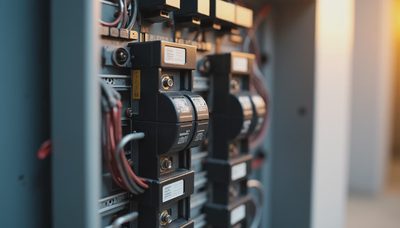
Your main electrical panel distributes power through individual circuits. One breaker might feed the kitchen counter outlets, another the clothes dryer, and another the air handler. Branch circuit monitoring places a sensor around the conductor serving a circuit. The sensor detects current, and the monitoring system combines that reading with voltage to estimate power use in watts and energy use in kilowatt-hours.
Think of it as putting a small odometer on each electrical lane. The utility meter still records the whole highway, while the circuit sensors show which lanes are busy. A useful system can report real-time demand, daily consumption, monthly totals, and sometimes the direction of solar production.
Accuracy depends on the equipment, installation, and electrical conditions. For household decisions, knowing that a water heater used 9 kWh yesterday instead of 2 kWh is usually more valuable than pretending the number is perfect to the third decimal place. A licensed electrician should handle panel work, especially when the enclosure is crowded or the service remains energized during installation.

Why homeowners install it before upgrades
The best reason for branch circuit monitoring is not curiosity. It is avoiding expensive guesses. A heat pump water heater can cost roughly $1,500 to $4,000 installed, while a whole-home heat pump may run several thousand dollars more. Before spending that money, you want to know what the existing equipment consumes and when it operates.
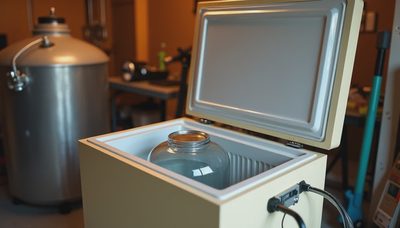
My first surprise was the garage fermentation chamber. I expected the compressor to be a minor load. Instead, during hot stretches, its cycling was obvious on the dashboard, although it was still nowhere near the electric dryer or resistance backup heat. The data kept me from chasing a small load while ignoring a large one.
Circuit-level data also improves solar planning. If your largest loads run in the evening, adding panels alone will not answer every question. You might need a battery, load shifting, or a water-heater schedule. Monitoring can reveal that a clothes dryer runs at 8 p.m. while the water heater reheats at 6 a.m., which creates a very different strategy from a house with steady daytime demand.
Choosing hardware without buying a gadget pile
There are several practical approaches. A Sense monitor or Emporia Vue can provide whole-home data and, with the right accessories, circuit-level information. Shelly devices are popular with Home Assistant users because they can fit into a broader local-control setup. Smart breakers from systems such as Span or Leviton offer a more integrated installation, but they can cost substantially more and may require matching equipment.
For many homes, a dedicated energy monitor with flexible current transformers is the sensible middle ground. Expect roughly $150 to $600 for hardware, with installation often adding $200 to $800 depending on panel access, circuit count, and local labor. A panel replacement or smart electrical panel is a different project, frequently reaching several thousand dollars.
Look for local data access, a usable history export, clear sensor placement, and a design that supports your panel type. Cloud dashboards are convenient, but I prefer a system that continues recording locally or exposes data to Home Assistant. Your energy history should not disappear because a vendor changes its subscription plan.
Turning readings into useful decisions
Raw charts do not save energy by themselves. Start with a question. Is the heat pump short-cycling? How much does the electric water heater use? What happens when the dryer and oven run together? Does the solar array cover the refrigerator load during the afternoon? Then create a dashboard that answers those questions instead of displaying every available metric.
For branch circuit monitoring, I like three views: live demand, daily energy, and a weekly comparison. Live demand helps identify a running appliance. Daily energy shows the cost pattern. Weekly comparisons reveal habits, such as a laundry day that adds 8 to 12 kWh or a backup heater that operates only during freezing mornings.
Convert energy into dollars using your actual utility rate. At 15 cents per kWh, a 1,000-watt heater running for five hours costs about 75 cents. That sounds small until it happens every day for a month. The dashboard makes that repeated behavior visible, which is where many worthwhile savings begin.
A simple installation and setup plan
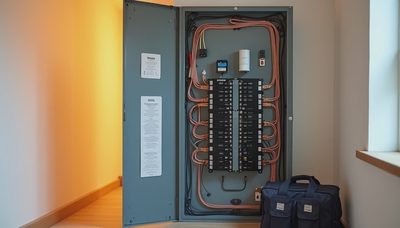
Before opening the panel, photograph every breaker label and list the circuits you care about. Most homeowners do not need every branch monitored. Start with the heat pump, water heater, range, dryer, EV charger, solar inverter, and any circuit suspected of unusual consumption. Those loads usually provide more useful information than lighting circuits.
Ask the electrician how many sensors the monitor supports, whether the sensors fit around existing conductors, and where the gateway will communicate reliably. A metal electrical panel can weaken wireless signals, so Ethernet, cellular, or a nearby network connection may be preferable. Have the installer confirm that the sensors are assigned to the correct breakers; I once reversed two labels and spent an evening blaming the dishwasher for the water heater's schedule.
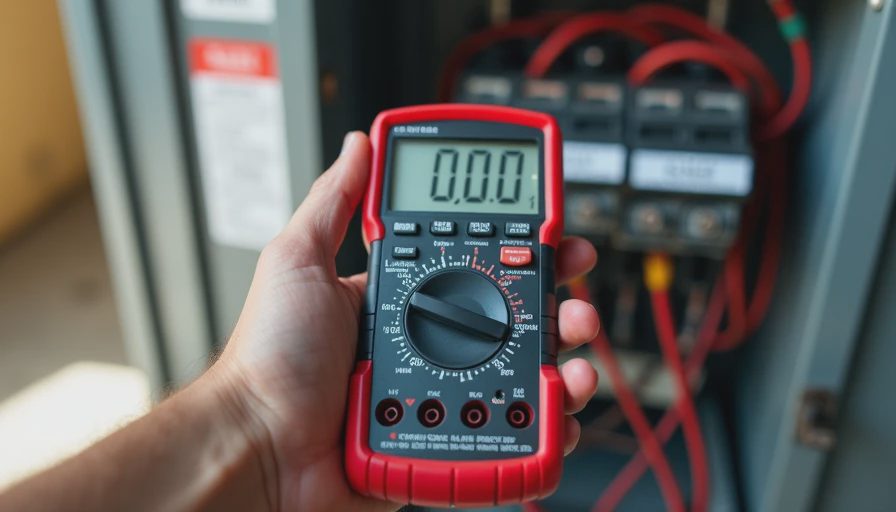
After installation, compare the monitor's whole-home reading with the utility meter over several days. Small differences are expected because of timing, voltage assumptions, and sensor accuracy. Large differences deserve investigation. Then name each circuit clearly, add units, and record a baseline before changing equipment.
What the data looks like in real life
A normal weekday might show a 4-kilowatt morning spike from the heat pump and water heater, a quiet midday period, and a 6-kilowatt evening peak when cooking, laundry, and heating overlap. That pattern suggests scheduling or load management. A flat 400-watt overnight draw, however, could point to an always-on load such as a server, dehumidifier, aquarium heater, or older refrigerator.
Branch circuit monitoring also helps separate efficiency from comfort. If a heat pump uses more energy after an insulation project but keeps the house warmer with fewer backup cycles, the project may still be working. Data gives you the context that a single monthly bill cannot provide.
For solar owners, monitoring can show self-consumption rather than just production. You may discover that running the dishwasher at noon uses available solar energy, while running it after sunset increases grid purchases. Home Assistant can automate that schedule, but the automation should follow observed usage instead of a generic internet rule.
The practical payoff
Branch circuit monitoring will not make a poorly insulated house efficient, and it cannot repair an undersized electrical service. What it can do is shorten the feedback loop between a change and its result. You install a heat pump water heater, adjust its schedule, and see the new pattern. You air-seal the attic, and you can watch heating demand respond during similar weather.
For a homeowner planning upgrades over two to five years, that feedback is worth more than another smart plug collection. Spend on the circuits connected to real decisions, keep the data long enough to compare seasons, and use the numbers to challenge your assumptions. I got several assumptions wrong in my own house. The dashboard was cheaper than repeating those mistakes.
Your house should work for you, not the other way around. Branch circuit monitoring is one practical way to make that happen, one breaker and one honest kilowatt-hour at a time.
Letters
No letters yet — be the first to write.