A branch circuit monitor turns the black box of your electric bill into useful information. Instead of seeing one monthly total, you can see what the heat pump, water heater, dryer, freezer, or workshop actually uses. I installed a branch circuit monitor after my heat pump went in, because guessing which loads mattered was getting expensive.
The basic idea is simple. Small current transformers, usually called CT clamps, sit around the conductors leaving selected breakers. They measure electrical current without interrupting the wire. A monitoring device combines that current reading with voltage information and sends the data to an app, local dashboard, or home automation system.
That distinction matters. A utility meter tells you the total electricity entering the house. A branch circuit monitor explains the total. It is like replacing a single household checking account balance with a transaction list. You can finally see which purchases are routine and which ones are quietly draining the account.
What a branch circuit monitor actually measures
A typical branch circuit monitor tracks the power used by individual circuits over time. Depending on the model, it may report instantaneous watts, accumulated kilowatt-hours, voltage, amperage, and sometimes power factor. That lets you see both the size and timing of a load.
For example, my heat pump may draw a few hundred watts while maintaining temperature, then climb much higher during a cold morning recovery. A resistance water heater can sit quiet for hours and then run at roughly 4,500 watts. The monthly total alone hides that behavior; a circuit-level graph puts it in plain view.
Products such as Emporia Vue systems, Shelly Pro meters, and similar equipment use different hardware and software approaches. Some send readings to a cloud service, while others can operate locally or integrate with platforms such as Home Assistant. Before buying, confirm the number of circuits supported, the CT clamp size, communication method, and whether the system can distinguish solar production from household consumption.
A branch circuit monitor is not a replacement for the electrical panel's breakers. It does not protect wiring from overloads, and it does not make an unsafe circuit safe. Its job is observation, not protection.
Where the data becomes useful
The best circuits to monitor are the ones that are large, variable, or easy to misunderstand. In an all-electric house, I would start with heating and cooling, the heat pump water heater, electric range, clothes dryer, and electric vehicle charger. A refrigerator or freezer can also be interesting if you suspect poor seals or a failing compressor.
A branch circuit monitor can settle arguments quickly. My family thought the garage fermentation chamber was a major energy offender because it runs frequently. The dashboard showed a different story: its small compressor and controller used far less energy than one short dryer cycle. The dryer was the quiet budget problem because nobody thought about it after pressing Start.
Monitoring also reveals timing. If a water heater runs during a high-rate period, shifting its schedule can reduce costs without buying new equipment. If a heat pump and vehicle charger overlap at night, the combined load may explain a demand spike or a tripped breaker. Data gives you a place to start instead of a pile of assumptions.
Installation: the part I would not DIY casually
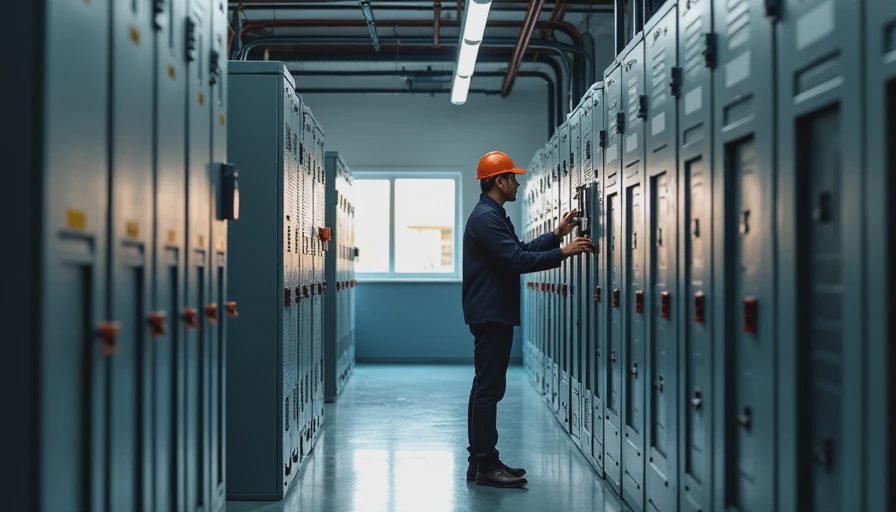
Installing a branch circuit monitor usually means opening the service panel and placing CT clamps around insulated conductors. Even when the main breaker is off, parts of many panels remain energized. That is a serious shock and arc-flash hazard, not a weekend project to attempt after watching one video.
Hire a qualified electrician for the panel work. Ask the installer to label every monitored channel, photograph the finished layout, and confirm that the CT arrows face the correct direction. A reversed clamp can produce negative readings or confuse import and export calculations. The electrician should also verify that the monitor is listed for the installation and compatible with your panel arrangement.
My first installation mistake was less dramatic but still annoying: I assigned the wrong circuit name in software. The graph labeled “basement freezer” was actually the well pump. I spent two days troubleshooting a phantom freezer spike before tracing the conductor back to the panel. Labeling during installation would have saved the entire evening.
After power-up, compare the monitor's readings with a known load. Turn on a 1,500-watt space heater briefly, if the circuit and location are appropriate, and see whether the dashboard shows a similar increase. This is not laboratory calibration, but it catches reversed clamps, wrong channels, and missing circuits quickly.
Connecting a branch circuit monitor to Home Assistant
The dashboard is where a branch circuit monitor earns its keep. In Home Assistant, I expose each monitored circuit as a power and energy sensor, then use the Energy dashboard for daily and monthly totals. Grafana, which runs my “HouseOS” display, is better for detailed graphs and comparisons across seasons.
Use clear names such as “Kitchen range,” “Heat pump,” and “Water heater,” rather than channel numbers. Add units and sampling intervals consistently. If one sensor reports watts and another reports kilowatts, a chart can look correct while the calculations are wrong by a factor of 1,000. I got this wrong the first time and briefly believed our water heater used more energy than the entire house.
Automations should be conservative. A monitor can notify you that a freezer has drawn no power for several hours, or that the dryer is still running when bedtime arrives. It can trigger a reminder when the EV charger starts during a high-cost period. I prefer alerts and suggestions over automatically switching major loads, unless the equipment and electrical design specifically support that control.
What it costs and when it pays back
Hardware for a branch circuit monitor commonly ranges from about $150 to $500, depending on the number of channels, sensors, display options, and local versus cloud operation. Professional installation can add roughly $200 to $600 or more when the panel is crowded, access is difficult, or additional electrical work is needed. A multi-panel home costs more because the data and wiring are more complicated.
The payback depends on what you do with the information. If monitoring helps eliminate $15 per month of unnecessary use, a $400 project takes a little over two years to recover. If the data only confirms that your refrigerator is fine, the financial return is poor, although the diagnostic value can still be worthwhile.
I would not install one solely because energy monitoring is fashionable. Install it when you have a question: Why is winter usage high? Is the heat pump replacing resistance heat? Does solar cover evening loads? Which circuit should be upgraded first? Good questions turn measurement into savings.
A sensible monitoring plan for your house
Start by reviewing your last twelve months of utility bills and listing the loads that could explain the biggest seasonal changes. Choose three to six circuits rather than trying to measure every small device. Large loads produce clearer insights and keep the initial project manageable.
Next, decide whether you need cloud access, local data, or Home Assistant integration. Cloud dashboards are often easier to begin with. Local operation gives you more control and avoids depending on a vendor's servers. Neither choice is automatically better; the right one is the system you will actually review.
After installation, collect at least two weeks of normal data before changing habits. Mark unusual events such as guests, extreme weather, laundry days, or a vacation. Then compare before-and-after periods after one change at a time. That method showed me that adjusting water-heater scheduling made a measurable difference, while obsessing over standby loads did not.
A branch circuit monitor will not insulate an attic or replace an aging appliance. It does something more basic and more valuable: it tells you what deserves attention. Your house should work for you, not the other way around. With clean measurements, the next upgrade becomes a decision instead of a guess.




Letters
No letters yet — be the first to write.