
The Moment the Living Room Went Quiet and Cold
Super Bowl Sunday started the way most of them do in our house: food in the oven, kids running through the hallway, friends arriving in waves, and the thermostat set to a comfortable level that would keep a full living room from turning into a sauna. I had one new automation running that weekend—an energy-aware climate rule that was supposed to gently reduce heating load during Idaho Power’s peak window if the house was already warm enough.
At 4:07 p.m. the automation fired. The heat pump and air handler shut down. The living room, full of people in short sleeves, began to cool. It took almost twenty minutes before anyone realized the system had decided the party was an excellent time to save a few kilowatt-hours.
This is the story of that automation, the very public failure, and the changes that came after. It is also a reminder that the difference between a helpful house and an annoying one is often a single missing condition.
Your house should work for you, not the other way around. Especially when the other way around happens in front of guests.
The Automation as Originally Written
The logic seemed sound on paper. During the weekday and weekend peak window, if the indoor temperature was at or above the current setpoint and the outdoor temperature was mild enough that recovery would be easy, allow a temporary setback or a full pause of the heating system. The goal was to reduce on-peak consumption without making the house uncomfortable for the people who actually lived there.
I had tested it on ordinary weeknights. It behaved. The house drifted a degree or two and recovered cleanly after 7 p.m. What I had not tested was a living room full of extra body heat, oven use, and the social pressure of not wanting to be the person who stands up and starts debugging YAML while the commercial break is ending.
The automation had no occupancy override beyond the basic home/away presence. It had no “party mode” or manual priority flag. It treated a quiet Tuesday and a packed Super Bowl Sunday as the same thermal situation. They are not.
What Actually Happened in the Data
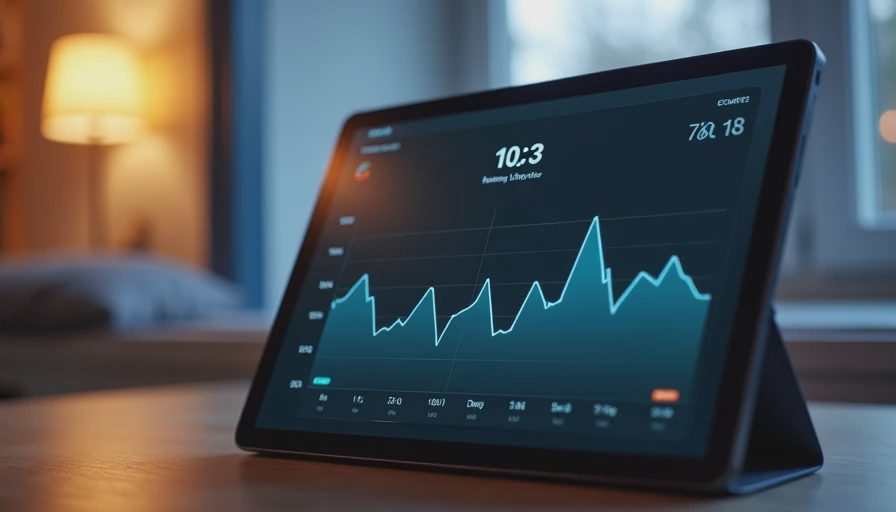
Circuit-level monitoring showed the heat-pump outdoor unit and air handler drop to zero at the expected time. Indoor temperature began a slow decline. Because the room was full of people, the drop felt faster than the sensor alone suggested. Someone finally checked the thermostat, saw that it had been set back by the automation, and asked the obvious question: “Did the house just decide we were done with heat?”
I disabled the automation from my phone, restored the setpoint, and the system restarted. The rest of the game continued with only mild ribbing at my expense. The nerd wall, visible from the dining area, suddenly felt a lot less charming.
The Post-Game Fix
The next morning I rewrote the rule with three explicit guards:
A manual “override until tomorrow” helper that any dashboard can set.
A higher occupancy threshold—if more than the usual number of phones or presence sensors are home, the peak-saving climate actions are skipped.
A simple time-based exception list for known high-social-load days (holidays, big game days, major family events) that I can add to without touching the core logic.
I also added a persistent notification that fires when any climate-saving automation makes a change during peak hours, so the action is visible instead of silent. Silent is good for routine evenings. Silent is bad when the living room is full.
The revised automation has now run through multiple peak seasons without creating another public incident. It still saves energy on ordinary days. It simply steps aside when the house is clearly in “people over” mode.
Broader Lessons for Any Automation That Controls Comfort
Comfort systems are not the same as lights or notifications. When an automation turns off a lamp, someone flips it back on. When an automation turns off the heat or the cooling in a crowded room, the failure is social as well as thermal.
Always give yourself a fast, obvious override that does not require opening a laptop.
Test high-impact rules under the actual conditions they will face—extra people, extra cooking, different sun loads—not only under empty-house or average-day conditions.
Prefer soft actions (small temporary setbacks) over hard off commands unless the safety or equipment case is strong.
Make the automation’s decisions visible. A quiet change that surprises people erodes trust faster than a noisy one that can be understood and reversed.
Most importantly, accept that some days the optimal energy decision is not the optimal household decision. The house has to live with both.
The Quiet Aftermath
The Super Bowl automation is now a running joke and a useful cautionary tale. Guests still ask whether the house is going to “do anything weird” during the game. I can honestly say no—at least not on purpose.
The broader climate-saving rules remain active and still move measurable load out of the peak window on ordinary days. The difference is that they now know when to stay out of the way. That single distinction turned a public failure into one of the more valuable tuning sessions the system has ever had.
Your house should work for you, not the other way around. And on Super Bowl Sunday, “you” includes everyone sitting on the couch who simply wants the room to stay warm until the final whistle.

Letters
No letters yet — be the first to write.