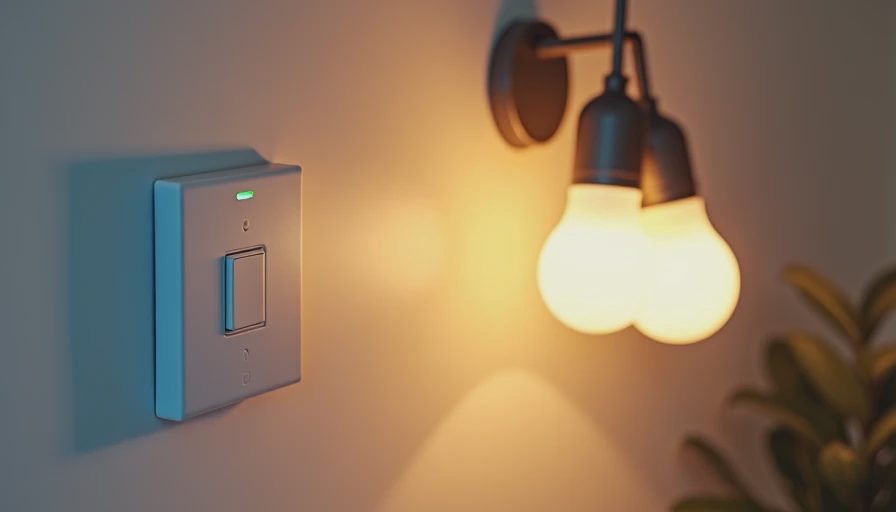
The Room That Became a Lighting Laboratory
I got tired of reading internet arguments about smart bulbs versus smart switches. Every thread eventually devolved into brand loyalty or theoretical edge cases. So I did the obvious engineer thing: I picked one ordinary room in the house and installed both.
The guest bedroom / occasional office on the main floor became the test cell. It has a ceiling fixture with three bulbs, a single-pole wall switch, and normal daily use patterns—enough traffic to expose problems, not so critical that a failure would start a family incident. I ran smart bulbs for six weeks, then swapped to a smart switch and dumb bulbs for another six weeks, keeping the same Home Assistant automations and the same family expectations.
This is what actually happened.
Your house should work for you, not the other way around. Lighting should be the least dramatic part of that statement.
Round One: Smart Bulbs in a Dumb Switch World
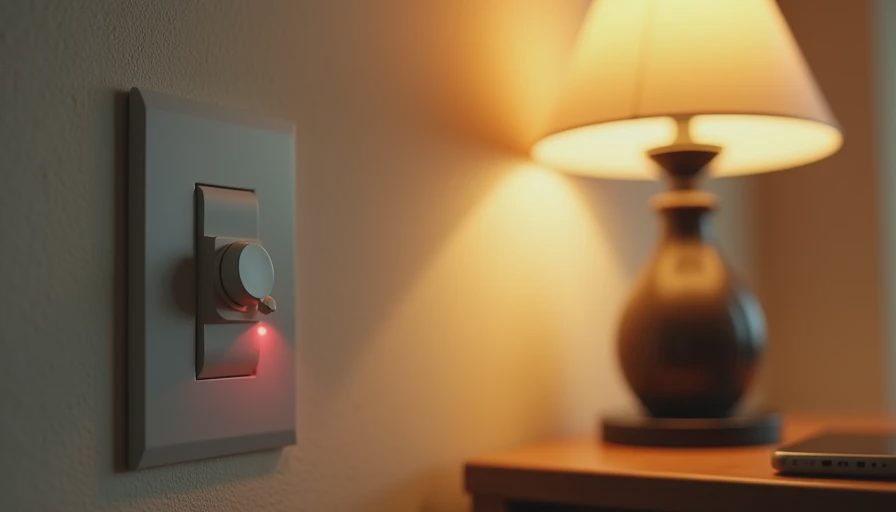
I installed three reputable tunable-white smart bulbs and left the original wall switch alone. The appeal was obvious—color temperature control, per-bulb scenes, no electrical work. Home Assistant saw them immediately. Automations for presence, evening warm-down, and away mode all worked.
The problems showed up in ordinary human behavior.
Someone inevitably turned the wall switch off. When the switch is off, smart bulbs are just expensive dark glass. They lose their state, drop offline, and require a power cycle plus a few minutes of recovery before automations can reach them again. Guests did it. Kids did it. I did it once out of pure muscle memory.
The second issue was maintenance. When one bulb eventually failed, the replacement had to be another smart bulb or the automation logic became inconsistent. Brightness matching across three bulbs also drifted slightly over time, creating a subtle but annoying unevenness.
On the plus side, the ability to set a warm evening scene without touching the wall was genuinely pleasant. The bulbs themselves were responsive once powered. For a pure “set and forget” mood-lighting use case they were fine. For a room that real people treat like a normal room, the wall-switch problem kept resurfacing.
Round Two: Smart Switch and Ordinary Bulbs
I replaced the wall switch with a solid smart switch that works with standard three-way or single-pole wiring and put ordinary LED bulbs back in the fixture. The switch joined Home Assistant cleanly. All the same automations—presence, time-based scenes, away mode—now controlled the switch instead of individual bulbs.
The difference in daily life was immediate.
Nobody could accidentally take the lighting offline by flipping a switch. The wall control always worked, even if Home Assistant or the network had a bad day. Replacing a burned-out bulb became a five-dollar trip to the hardware store instead of a compatibility puzzle. Brightness was consistent because the bulbs were simple and the dimming lived in the switch.
What I lost was per-bulb control and easy color-temperature tuning. For this particular room I did not miss either one. A single warm-white evening level and a bright daytime level covered every actual use case we had. If I had needed tunable white or color for the space, the calculation would have been different. I did not.
The smart switch also gave me a clean power-monitoring value for the entire lighting circuit, which the individual bulbs had never provided as neatly.
The Head-to-Head Results That Mattered
Reliability in the face of human habits: smart switch wins decisively.
Long-term maintenance cost and simplicity: smart switch wins.
Granular color and per-fixture scenes: smart bulbs win.
Integration stability with Home Assistant: both fine, once the bulbs stay powered.
Family annoyance factor: smart bulbs created more “why isn’t this working” moments.
After the twelve-week test I left the smart switch in place and moved the smart bulbs to a different location where the wall switch is rarely touched—inside a cabinet display and a single accent lamp. That division of labor has been peaceful ever since.
How I Decide Now for the Rest of the House
Primary rooms with regular wall-switch use get smart switches and ordinary bulbs.
Accent lighting, lamps, and fixtures that are almost never switched at the wall can use smart bulbs.
Anywhere I want energy data at the circuit level, the smart switch is the cleaner path.
Anywhere I need tunable white or color as a frequent feature, smart bulbs still make sense—provided the power stays on.
I also stopped mixing the two control methods in the same automation group without clear documentation. The failure modes are different; treating them as interchangeable creates edge cases that only appear at 10 p.m. when someone just wants the light to turn on.
The Quiet Conclusion
The internet debate frames this as a technology religious war. In an actual house it is a use-case decision. Smart bulbs are excellent at being smart bulbs. Smart switches are excellent at being wall controls that also happen to be smart. Most rooms need the second thing more than the first.
The guest room kept the smart switch. The family stopped noticing the lighting system, which is the highest compliment any home automation can receive. The nerd wall still shows the circuit data. The automations still fire. Nobody has to think about whether the bulb has power before they reach for the switch.
Your house should work for you, not the other way around. In the lighting department, that usually means the switch on the wall should remain the final authority—even when the switch itself is smart.

Letters
No letters yet — be the first to write.