A home assistant setup is the best way to make your house work for you, not the other way around. I'm a former network engineer, and I've spent the last few years retrofitting my 2003 subdivision house in Boise with smart sensors, energy monitoring, and automated routines. Home Assistant is the free software that ties it all together. This guide covers the hardware, the cost, and the automations that matter for a typical American home.
Why Home Assistant Is Different
Smart home hubs from the big tech brands keep you inside their garden. Home Assistant is open source, runs locally, and connects to Zigbee, Z-Wave, Wi-Fi, and even your solar inverter. It doesn't phone home unless you tell it to. That means your lights and thermostat keep working when the internet drops. For anyone who still remembers the pain of a dead router, that's a real comfort.
I started with a cheap Zigbee USB stick and a used mini PC. The first thing I automated was a hallway light that used to get left on all night. Two years later, my home assistant setup controls 40 devices, tracks power usage on every circuit, and runs a fermentation chamber for my homebrew. The jump from one gadget to a whole house feels natural if you start small.
What You Need Before You Start
Before you buy anything, figure out what you want the system to do. You need a dedicated controller, which can be a Raspberry Pi 4, an old laptop, or a used Intel NUC. I used a NUC and never looked back. You also need a Zigbee coordinator; the Sonoff Zigbee 3.0 USB dongle costs about 20 dollars and pairs with most sensors. A few smart plugs are helpful for testing, and you'll want a couple of door, window, or motion sensors to create your first automations. The same home assistant setup can scale from a studio apartment to a ranch house. Start with one room, then expand.
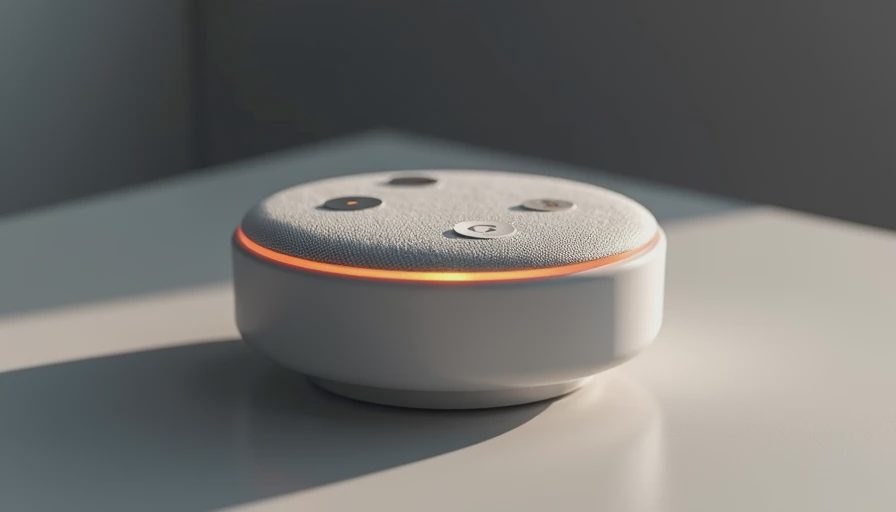
A Simple Blueprint for a 2,400 Sq Ft House
Here's the blueprint I'd hand to a friend who owns a house built in the 2000s. You don't need a smart panel or a whole-home battery to get value. Start by installing Home Assistant on a small PC; the full install takes about 20 minutes. Plug in the Zigbee USB stick and let Home Assistant discover it. Add sensors to the front door, the back door, and the main living area. Replace your old thermostat with a smart thermostat that supports local control. I use an Ecobee, but a Z-Wave thermostat works too. Then move your exterior lights to smart switches so you can schedule them on a sunset timer.
My whole-house home assistant setup cost about 350 dollars, not counting the thermostat. That included the PC, dongle, six sensors, and two smart switches. If you already own a laptop, you can start for under 150 dollars.
Automations That Actually Matter
A smart home doesn't need to be complicated. The best automations are the ones that save time or energy. Turn off the bathroom fan after 15 minutes; it sounds small, but it stopped my kids from running the fan for hours. Dim the lights when the TV turns on, a simple trick that makes movie night feel better. If the front door opens after 10 PM, turn on the porch light and send a notification to your phone. And set the heat to 62 degrees at night and 68 before the kids wake up. This alone cut my gas bill by about 12 percent in January. The beauty of a home assistant setup is that all these rules live in one place. You don't need five different apps to manage five different routines.
What Does the Whole Thing Cost?
Costs add up fast if you chase every gadget, but you can budget for a solid start. A controller runs from 50 to 200 dollars. A Zigbee USB stick is 20 to 40 dollars. Sensors run 8 to 15 dollars each, smart plugs 10 to 20 dollars each, and smart switches 25 to 50 dollars each. Installation is usually a two-hour job for a weekend. If you hire someone, expect 100 to 150 dollars an hour. The software is free and doesn't require a subscription. Some cloud services inside Home Assistant are optional, but I've never paid for one.
The long-term payoff is real. My family used to leave the garage door open overnight a couple times a month. That won't cause a huge bill, but the peace of mind alone is worth a hundred dollars.
Mistakes I Made on My First Try
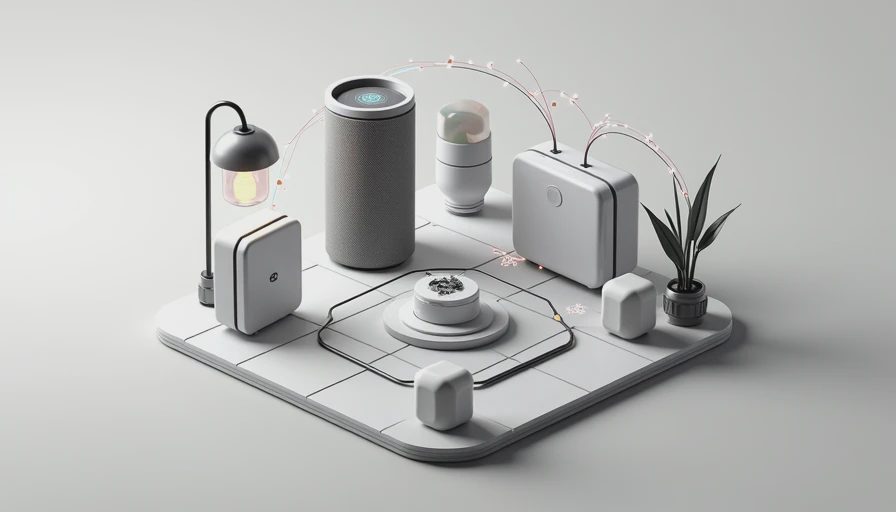
I want to save you the trouble. On my first attempt, I skipped backups and lost my entire configuration when a microSD card failed. Never run a system you care about without regular backups to a separate drive. Second, don't buy 30 sensors at once. I installed motion sensors in every room, and the notifications got so annoying that I disabled half of them. Start with the spots that genuinely bother you. Third, don't trust the brand app for anything important. I used a proprietary hub early on, and it died at the worst time. Home Assistant, with a proper Zigbee stick, is more reliable because it isn't tied to a cloud service that can disappear.
Is It Worth the Effort?
If you like saving energy, avoiding subscription fees, and having one dashboard for the whole house, yes. The learning curve is real, but the community is huge, and you can find a tutorial for almost every device. Your house should work for you, not the other way around. A home assistant setup is how you make that happen. Start tonight with a single sensor and a 20-dollar dongle. In a month, you'll wonder why you waited.


Letters
No letters yet — be the first to write.