The Rate Plan That Turned Dinner Into a Dashboard Review
Idaho Power’s time-of-use plan had been sitting on my mental shelf for months. The marketing materials looked clean: lower rates during off-peak hours, higher rates during the late-afternoon and early-evening peak, and a promise that households willing to shift a few loads could come out ahead. As someone who already had circuit-level data and a heat pump that could be told when to work harder, it felt like the next logical experiment.
So I enrolled.
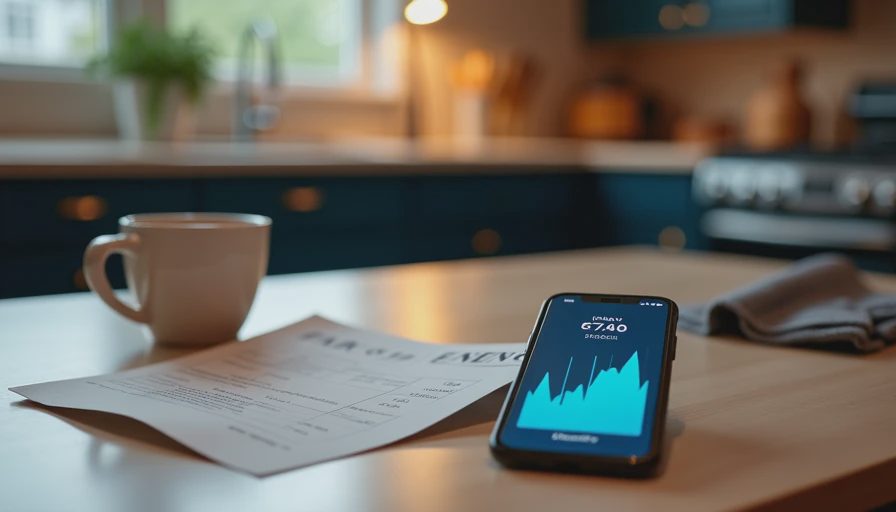
What I did not fully anticipate was how quickly the new rate structure would insert itself into ordinary family life. By the second week I was glancing at the Emporia app while Taryn poured wine and the kids complained that the “nerd wall” had followed us to the dinner table. This is the story of the first full month on the plan—the actual numbers, the behavioral changes that stuck, the ones that did not, and the small ways a utility rate can rewire how a house feels.
Your house should work for you, not the other way around. Sometimes that means teaching the house to work with the grid’s schedule instead of against it.
How Idaho Power’s Time-of-Use Plan Actually Works
The structure is straightforward once you stop treating it like a puzzle. On-peak hours run from 3 p.m. to 7 p.m. on non-holiday weekdays. Everything else—nights, weekends, holidays—is off-peak. The price difference is real: off-peak energy is meaningfully cheaper, on-peak energy is meaningfully more expensive. There is no demand charge for residential customers on this plan, which keeps the math simpler than some commercial rates I used to wrestle with.
I went in with three advantages most households do not have on day one. First, circuit-level monitoring already showed me exactly when the big loads preferred to run. Second, the heat pump and its air handler could be scheduled or automated through Home Assistant. Third, I had a full year of baseline data from the old flat rate, so I could compare apples to apples after weather normalization.
The goal was not to live like a monk between 3 and 7. The goal was to move the flexible loads—dishwasher, laundry, water-heater recovery, some of the heat-pump work—out of the peak window and measure what that did to the bill.
Month One: The Numbers Without the Spin
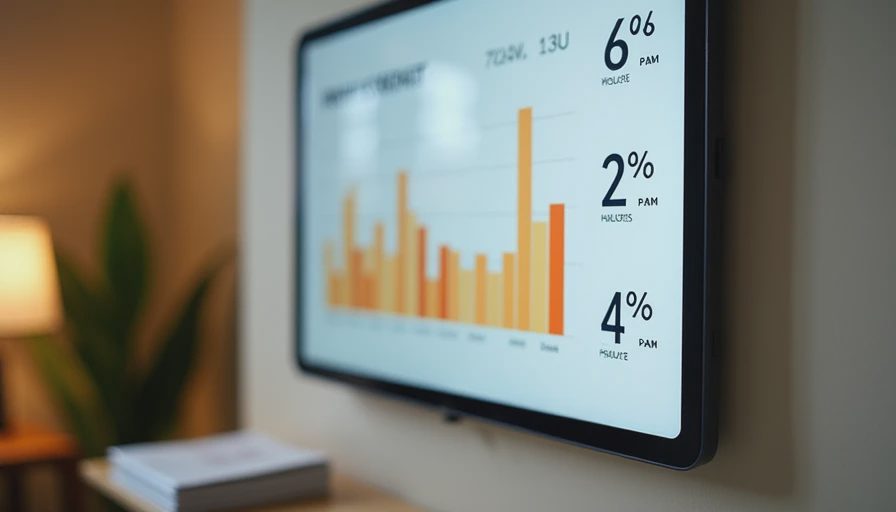
The first month landed in a shoulder season, which helped. Heating and cooling loads were moderate. Total kilowatt-hours were almost identical to the same month the previous year after degree-day adjustment. The mix, however, changed.
Roughly 78 percent of our energy landed in off-peak hours. The remaining 22 percent sat in the peak window—mostly unavoidable cooking, lighting, and the occasional heat-pump call that could not be deferred without making the house uncomfortable. The bill came in about 11 percent lower than the equivalent flat-rate month would have been. That is not a retirement-level savings, but it is real money for shifting loads we were already capable of shifting.
The bigger surprise was how little pain the shift actually caused. The dishwasher started after 7 p.m. or ran on weekends. Laundry moved to Saturday mornings. The heat pump’s setpoint was allowed to drift a degree or two during peak hours on mild days, then recover later. None of these changes required anyone to sit in the dark or eat cold food. They just required the house to stop treating every hour as equal.
The Behavioral Side Effects (Including the Phone at Dinner)
Data has a way of becoming a habit. Once the app showed a live cost estimate that climbed faster during peak hours, I started checking it the same way I used to check latency graphs on a network. That habit migrated to the dinner table. Taryn now has a standing rule: the phone can come out for a thirty-second glance if the kids are already complaining about something else. The kids have started announcing “it’s peak” when they want to negotiate extra screen time, which is both annoying and oddly encouraging.
Some changes stuck permanently. The dishwasher almost never runs before 7 p.m. anymore. The garage freezer’s defrost cycle was moved via a smart plug. Other changes proved temporary. Trying to delay every heat-pump cycle on a cold evening made the house feel sluggish, so we relaxed that rule and accepted a small amount of peak usage for comfort.
The plan also made previously invisible loads more obvious. The network rack in the basement draws a steady 90 watts whether it is peak or off-peak. That is a fixed cost of reliability. The entertainment center’s idle draw became a conversation about which devices actually needed to stay on. None of these were rate-plan problems, but the rate plan made them visible enough to discuss.
What I Would Tell Another Boise Homeowner Considering the Switch
First, get some kind of usage visibility before you enroll. A whole-house monitor is enough to start; circuit-level is better. Without it you are flying blind and will not know whether a higher bill is weather, behavior, or the rate itself.
Second, treat the first month as a measurement month, not a perfection month. You will discover which loads are flexible and which ones are not. The dishwasher is flexible. The oven at 5:30 p.m. on a weeknight is not.
Third, automate what you can and ignore what you cannot. Home Assistant schedules and simple smart plugs handled most of the shifting for us. Manual vigilance works for a week and then becomes exhausting.
Fourth, compare against a weather-normalized baseline, not against the previous month. A cold snap or a heat wave will swing the bill harder than the rate plan will.
Finally, decide what “success” means in your house. For us it was a measurable reduction without turning daily life into a cost-optimization exercise. Eleven percent in a mild month met that bar. Future months with heavier heating or cooling loads will test it further; those results will show up in later Boise Build posts.
The time-of-use plan did not transform the house overnight. It simply made the cost of timing visible and gave us a clean way to respond. The panel still talks. The Grafana dashboard still updates. Dinner still happens. The phone just comes out a little more often than it used to.
Your house should work for you, not the other way around. Sometimes that includes working with the utility’s clock instead of against it.

Letters
No letters yet — be the first to write.