Solar panel kits for home use look wonderfully simple online: panels, an inverter, mounting hardware, and a promise of lower electric bills. The reality is more like building a small power plant on your roof. The equipment is manageable; the design, permits, utility rules, and electrical work are where projects succeed or become expensive garage furniture.
I have spent enough time in electrical panels to know that a kit is not automatically a shortcut. It can be a cost-effective way to assemble a solar system, especially for a detached garage, workshop, or small home. It can also leave you with mismatched components and no clear path to permission to operate. The right approach starts with your home's energy data, not a panel count pulled from a product listing.
What a Complete Home Solar Kit Includes
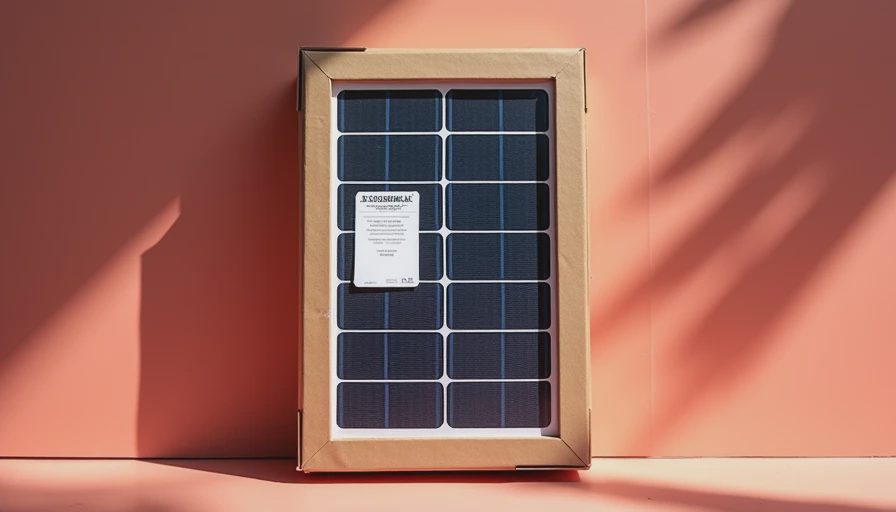
Most solar panel kits for home projects contain photovoltaic panels, a mounting system, an inverter, wiring, and basic connectors. The inverter changes the panels' direct-current output into the alternating current used by household circuits. Some packages use one large string inverter, while others use microinverters attached to each panel. Microinverters generally handle partial shade better and make panel-level monitoring easier, though they can raise the upfront price.
Read the parts list carefully. A kit advertised as a 6-kilowatt system may exclude roof flashing, rapid shutdown equipment, a production meter, or the hardware needed for your roof type. It may also exclude labor, permits, engineering drawings, and utility interconnection fees. Those omissions can add several thousand dollars.
A battery is a separate decision. Solar panels reduce daytime grid purchases, but they do not normally keep your house running during an outage unless the system includes compatible storage and backup controls. A battery system often adds $10,000 to $20,000 or more before incentives, so do not buy one simply because the product page makes it look mandatory.
Size the System From Your Utility Bills
The best starting point is twelve months of electric bills. Add the kilowatt-hours used each month, then compare that total with the roof's usable solar exposure. A typical American home might use 8,000 to 12,000 kilowatt-hours annually, but heating, air conditioning, electric water heating, and an attached workshop can change the number dramatically.
Solar panel kits for home use are commonly sold by total system capacity, such as 4 kW, 6 kW, or 10 kW. Capacity is not the same as annual production. A 6-kW array in Arizona and a 6-kW array in Maine will produce different amounts, and roof direction, tilt, snow, wildfire smoke, and tree shade matter too.
Do not fill every open roof section just because you can. First, reduce waste with air sealing, insulation, efficient lighting, and sensible thermostat schedules. In my own 2003 Boise house, lowering heating and cooling demand made the eventual solar array smaller and easier to justify. A smaller array also reduces the chance of producing more electricity than your utility credits favorably.
Use a reputable solar calculator or installer proposal to estimate annual production. Then compare that estimate with your actual consumption and your utility's compensation rules. Net metering policies differ, and some utilities pay less for exported electricity than they charge for electricity you buy later.
Roof, Electrical, and Permit Checks
Before purchasing solar panel kits for home installation, inspect the roof. Asphalt shingles near the end of their service life should usually be replaced first; removing panels later to reroof can erase the savings from a low-cost kit. Check attic access, rafter spacing, roof penetrations, and areas shaded by chimneys or trees.
The main electrical panel matters just as much. A solar backfeed can require a specific breaker position, busbar calculation, service upgrade, or a different connection method. Older panels, crowded load centers, and aluminum wiring deserve professional attention. Solar also requires rapid shutdown equipment and grounding methods that follow current electrical requirements.
Permitting is not optional because the system is on your property. Your local building department typically wants a site plan, electrical diagram, structural information, and equipment specifications. The utility generally requires an interconnection application and inspection before allowing the system to operate in parallel with the grid. A licensed electrician or solar contractor can handle this process, and in many jurisdictions that is the practical route even when you supply the equipment.
Comparing DIY Kits With Installed Solar
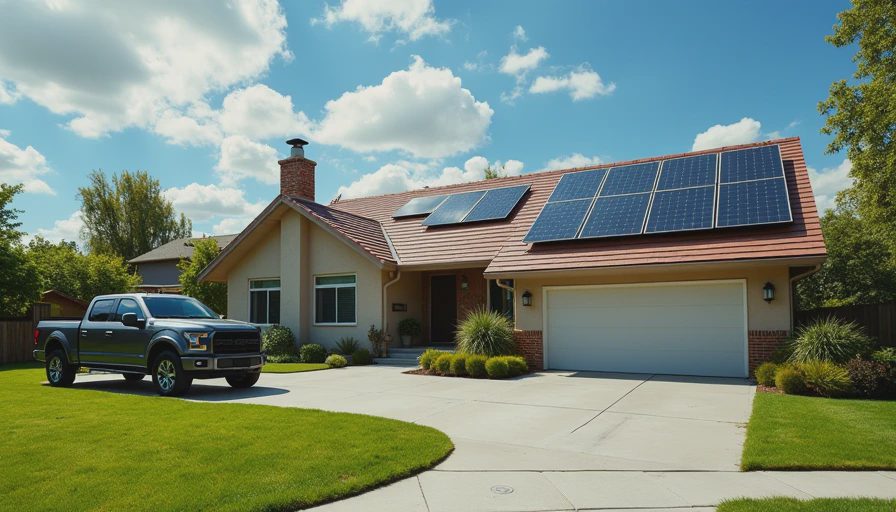
DIY solar can make sense for a technically capable homeowner who has time, safe roof access, and a clear understanding of the permitting process. A kit might reduce equipment costs, but labor is not the only expense you avoid. You are also taking responsibility for design errors, roof leaks, warranty coordination, inspection corrections, and future troubleshooting.
An installed system commonly costs more because it includes design, labor, permits, overhead, and a workmanship warranty. National brands such as Enphase and SolarEdge are familiar in residential installations, but the brand name does not guarantee that a proposal fits your roof or utility rate. Ask for equipment model numbers, expected annual production, warranty terms, and the total price after every fee.
Get at least three proposals or kit quotes. Compare cost per installed watt, estimated yearly production, inverter replacement terms, and whether monitoring remains available if the installer closes. A $2.50-per-watt proposal with realistic production can be a better deal than a $1.80 kit that still needs $8,000 of electrical and roofing work.
Incentives, Payback, and Battery Decisions
Federal and local incentives can materially change the math, but tax credits have eligibility rules and should not be treated as an instant rebate. Utility rebates, state programs, and loan terms also change over time. Keep invoices, permit records, and equipment documentation in one folder so tax preparation and warranty claims do not become detective work.
For a simple example, a $24,000 system that offsets $1,800 of annual electricity purchases has a rough pre-incentive payback of about thirteen years. If electricity rates rise, the payback could improve; if the roof needs work or exported energy earns little credit, it could stretch longer. That is why I prefer a conservative production estimate over a sales presentation with perfect sunshine every day.
Add a battery when backup power, time-of-use rate management, or limited export capacity has real value for your household. Do not add storage solely to make the dashboard more impressive. A battery can be useful, but panels, insulation, and efficient appliances often deliver a cleaner first step.
A Practical Buying Checklist
Before ordering solar panel kits for home projects, complete these steps:
- Collect a full year of utility bills and identify your highest-use appliances.
- Inspect the roof and confirm its remaining service life.
- Map shade at different times of day and across the seasons.
- Check your electrical panel rating, available space, and service condition.
- Confirm local permit requirements and utility interconnection rules.
- Compare complete project costs, not just panel and inverter prices.
- Request production estimates, equipment warranties, and workmanship coverage in writing.
- Decide whether a battery solves a specific problem in your home.
The kit should serve your energy plan, not replace it. Monitor production and household consumption after installation with the inverter app or a circuit-level energy monitor. My HouseOS dashboard is useful because it shows whether solar is actually covering the heat pump, water heater, and evening loads rather than just displaying a satisfying green number.
Solar panel kits for home use can be a smart part of a two- to five-year efficiency plan when the roof, wiring, utility rules, and finances line up. Start with measured consumption, price the complete installation, and leave room for the unglamorous costs. Your house should work for you, not the other way around.




Letters
No letters yet — be the first to write.