If you are asking is rockwool fireproof, the short answer is that Rockwool stone wool insulation is noncombustible and can withstand very high temperatures. That makes it one of the better insulation choices around furnaces, wood stoves, electrical rooms, garages, and other areas where fire resistance matters. But insulation is only one layer of a wall assembly. It does not turn a house into a fireproof box.
I look at insulation the same way I look at a home energy monitor: the product matters, but the surrounding system matters more. A well-installed mineral wool batt can protect against heat and flame, reduce sound transmission, and provide a useful R-value. A badly fitted batt with open gaps, unsealed penetrations, or an unprotected electrical opening will not perform as well as the label suggests.
Is rockwool fireproof in a real house?
Technically, “fireproof” is not the most useful term. Building professionals usually talk about noncombustible materials and fire-resistance ratings. Rockwool, also called stone wool or mineral wool, is made from melted rock spun into fibers. The fibers do not provide fuel for a fire in the way paper, wood, or many foam plastics can.
That answers the basic question: is rockwool fireproof? In ordinary residential use, the material itself is highly resistant to ignition and does not readily burn. It can remain stable when exposed to temperatures that would destroy common fiberglass binders, plastic foam, or cellulose insulation. Rockwool also does not produce the same type of melting and dripping behavior associated with some foam products.
The important catch is that a wall has more than insulation. Wood studs, drywall paper, wiring jackets, plumbing, paint, and air-sealing materials can all contribute to fire behavior. If you install mineral wool in a wall and leave a large hole around a cable, the insulation cannot compensate for that weak point. Think of it as a fire-resistant blanket installed inside a larger assembly, not a magic shield.
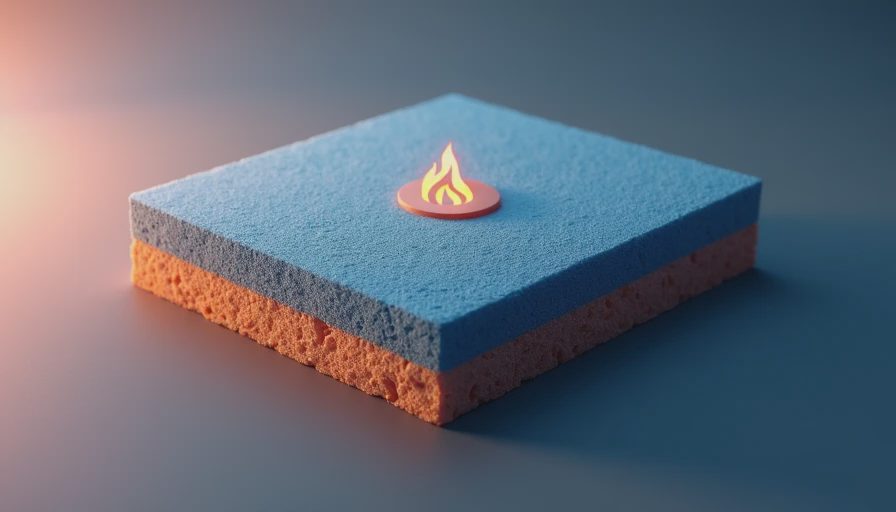
How Rockwool improves fire resistance
The biggest advantage is that stone wool does not act as a fuel source. In a framed wall, tightly fitted batts can slow heat movement through the cavity and help protect the framing for a period of time. That delay can be valuable. It can give occupants more time to leave and give firefighters more time to control a fire.
Rockwool products are available in several densities and thicknesses. Residential Comfortbatt products are commonly used in exterior walls, while higher-density Safe’n’Sound batts are popular for interior sound control. Fire-rated boards and specialized products are used in mechanical rooms, ducts, and commercial assemblies. The right product depends on the location, thickness, and tested assembly rather than the brand name alone.
This is where many DIY installations go sideways. A batt that is two inches too short leaves a channel for hot air to move. A batt compressed behind a pipe may have less effective coverage than its printed R-value suggests. Around electrical boxes, the material needs to be cut and fitted carefully without damaging wiring. Insulation should fill the cavity, but it should not be forced against equipment that requires clearance.
Is rockwool fireproof around wiring, furnaces, and stoves?
Rockwool is a sensible choice around high-temperature areas, but “around” does not mean touching everything indiscriminately. Follow the clearance requirements for a furnace, flue, chimney, wood stove, recessed light, and electrical equipment. The appliance manufacturer and local building code take priority over an insulation product’s general temperature rating.
For a utility room, mineral wool can help separate a furnace or water heater area from adjacent finished space. It can also reduce sound from a mechanical room, which is a nice bonus when the blower starts at 2 a.m. But the wall still needs proper drywall, sealed penetrations, correctly rated doors, and approved firestopping where required.
Near wiring, the material is generally easier to work around than rigid foam because it can be trimmed with a serrated insulation knife. That convenience does not eliminate electrical rules. Do not bury junction boxes, block required access, or pack insulation into a hot exhaust assembly without confirming the clearance. If you are insulating around a wood stove or chimney, use the tested installation instructions for that appliance.
Smoke, moisture, and indoor air quality
Fire resistance gets the attention, but daily performance matters too. Rockwool does not absorb water like a sponge, and it can dry after limited exposure, but it is not a substitute for a roof repair, flashing, or a drainage plane. Wet walls still need to be investigated before insulation goes in.
The product is also useful for sound control. In my own retrofit work, dense mineral wool in a bathroom wall or mechanical closet usually does more for perceived quiet than adding another thin layer of ordinary fiberglass. It will not stop every low-frequency vibration, but it can reduce voices, blower noise, and the hollow quality of an empty stud bay.
When cutting batts, wear gloves, eye protection, and a properly fitted dust mask. The fibers can irritate skin and airways during installation even though the finished material is enclosed behind drywall. Vacuum the work area rather than blowing scraps around the house. The goal is a cleaner, tighter building envelope, not a basement full of floating insulation fibers.

Is rockwool fireproof enough for a garage or utility room?
For many homeowners, this is the practical decision point. A garage wall beside living space, a basement utility room, or a wall surrounding a boiler can benefit from noncombustible insulation. Depending on thickness and the rest of the assembly, a typical project might cost several hundred dollars in materials for a modest room. Labor can add substantially more, especially when drywall must be removed and replaced.
Before buying, identify the actual goal. If you need higher R-value in an exterior wall, choose a thickness that fits the framing and climate strategy. If you want a quieter laundry room, a sound-control batt may be appropriate. If you need a code-compliant fire separation, you need the complete tested wall or ceiling assembly, including drywall type, fasteners, joints, doors, and penetrations.
That distinction is why the answer to is rockwool fireproof should never be used as a permit strategy by itself. A product can be noncombustible while the finished assembly fails because the wrong drywall or sealant was used. Ask the building department or a qualified contractor what rating applies to your specific wall.
Installation details that make the difference
Measure every cavity before cutting. Cut batts slightly wide enough to stay in place without being crushed, and split them around pipes and wires rather than leaving voids. Use small scraps to fill odd corners, but do not create piles of loose material around heat-producing equipment. Install approved fireblocking and firestop sealants where the code requires them.
If the wall is exterior, think about air sealing separately. Mineral wool fills space, but it is not automatically an air barrier. Seal wiring penetrations, top plates, bottom plates, and plumbing holes with compatible caulk or foam. On my 2003 house, the biggest comfort gains came from stopping air movement first and adding insulation second. The insulation then worked as intended instead of sitting in a wind tunnel.
Finally, photograph the work before closing the wall. Record the product, thickness, and location in your renovation folder. If you later add a smart electrical panel, heat pump, or solar equipment, that record helps the next installer understand what is behind the drywall.
The practical answer
So, is rockwool fireproof? Rockwool stone wool is noncombustible and highly fire resistant, making it a strong choice for many residential walls, ceilings, garages, and utility spaces. It can slow heat transfer and support a fire-resistant design, but it cannot protect an entire house on its own.
Use the correct product, fit it tightly, respect appliance clearances, seal penetrations, and follow the tested assembly when a fire rating is required. That approach costs a little more attention during installation, but attention is cheaper than opening the wall again later. Your house should work for you, not the other way around.


Letters
No letters yet — be the first to write.