The best solar panels for home projects are not automatically the panels with the highest efficiency rating or the longest brochure full of impressive numbers. They are the panels that fit your roof, local climate, electrical equipment, budget, and long-term energy plan. I learned this while planning solar for my own 2003 Boise house: squeezing a few extra watts onto the roof matters less than avoiding shade, choosing a competent installer, and sizing the system around actual electricity use.
Solar is a major purchase, usually involving $15,000 to $35,000 before incentives for a typical residential system. That range is wide because roof size, panel count, electrical upgrades, labor, financing, and battery storage all change the final price. Start with your utility bills, not a sales presentation. Twelve months of usage gives you a much better design target than a salesperson's estimate based on square footage.
What makes a solar panel a good home choice?
The best solar panels for home use balance five practical measures: efficiency, power output, degradation, warranty coverage, and price. Efficiency tells you how much electricity a panel produces from the sunlight hitting its surface. A high-efficiency panel can be useful on a small or complicated roof, but it does not create free energy. If you have plenty of unshaded roof area, a slightly less efficient panel with a lower installed cost can deliver a better return.
Most current residential panels fall somewhere around 19% to 23% efficiency. Names such as REC, Qcells, Panasonic, Maxeon, and Canadian Solar appear frequently in residential proposals, though the exact model and installer quality matter more than the logo alone. Look for a product warranty of at least 12 years and a performance warranty commonly covering 25 or 30 years. The performance promise typically says the panel will retain a specified percentage of its original output after that period.
Power output is listed in watts, often from roughly 400 to 470 watts for modern panels. Do not compare that number without considering panel dimensions. A 450-watt panel that barely fits between roof vents may be less useful than a 420-watt panel that allows a clean, efficient layout.
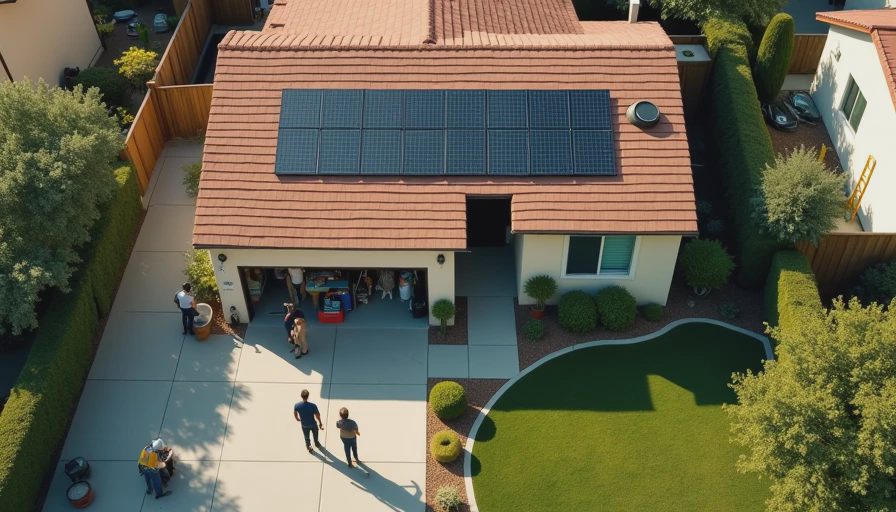
How I would compare leading panel brands
The best solar panels for home installations usually come from manufacturers with stable warranties, established distribution, and a track record installers can support. REC panels are often attractive when roof space is limited because their efficiency and power ratings are competitive. Qcells are widely specified for residential projects and can offer a strong balance between price and performance. Panasonic panels are known for premium positioning and solid warranty terms, while Maxeon focuses heavily on high efficiency and long-term performance.
Canadian Solar and JinkoSolar are also common choices in the broader market, particularly when a project needs to control equipment cost. That does not make them automatically inferior. A panel's temperature coefficient, warranty language, availability, and the installer's experience can matter more than a small efficiency difference.
Ask for the exact model number, not just the brand. Two panels from the same company can have different dimensions, warranties, and electrical characteristics. I also want to know who handles a warranty claim, how long the installer has used that product, and whether replacement panels are likely to be available in ten years. A great data sheet cannot compensate for a contractor who disappears after the final payment.
Roof, climate, and electrical details matter
Before choosing the best solar panels for home energy production, inspect the roof itself. Asphalt shingles in good condition can often support a solar array for decades, but a roof approaching replacement age should be handled first. Removing and reinstalling panels later can cost several thousand dollars and creates another opportunity for roof damage.
Shade deserves careful attention. A chimney, dormer, tree, or neighboring building can reduce output far more than a modest efficiency difference. Ask the installer to show an hourly shade analysis rather than simply saying the roof gets “good sun.” Panel-level power electronics can help with uneven shade, but they do not defeat physics. A shaded panel still receives less sunlight.
Your main electrical panel matters too. A 200-amp service is common, but the available bus capacity, existing breakers, service condition, and planned loads determine how the solar connects. If you are adding a heat pump, induction range, electric vehicle charger, or heat pump water heater, include those loads in the design. My first draft treated solar as a standalone project; the better plan treated it as one piece of a five-year electrical upgrade.
Solar panel efficiency is not the same as savings
A high-efficiency panel can save roof space, but your bill savings depend on production and utility rules. A 10-kilowatt system in a sunny location may produce substantially different annual energy from the same system in a cloudier region. Roof direction, tilt, snow, wildfire smoke, inverter losses, and seasonal utility rates all affect the result.
For a simple comparison, estimate annual production, multiply it by the value of each kilowatt-hour, and subtract ongoing costs. If a system produces 11,000 kilowatt-hours annually and your avoided electricity cost averages 12 cents per kilowatt-hour, the gross annual value is about $1,320. That calculation changes if exported electricity receives a lower credit than electricity used in the house.
This is where batteries enter the conversation. A battery can shift solar energy into evening hours, provide limited backup, and reduce reliance on expensive time-of-use electricity. It is not automatically the fastest-payback addition. A battery system can add $10,000 to $20,000 or more before incentives, depending on capacity and installation complexity. Size it around a specific goal instead of buying the largest box available.
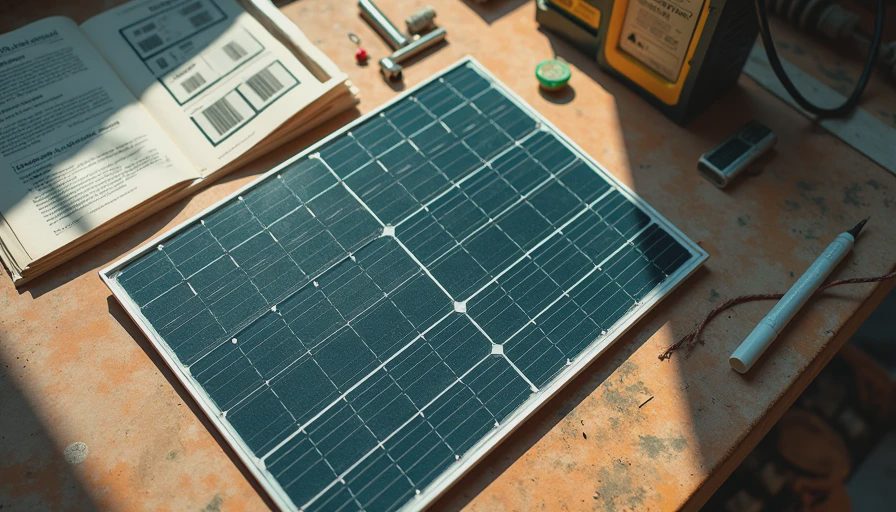
What a sensible quote should include
When comparing the best solar panels for home projects, request at least three detailed proposals. Each should list panel brand and model, quantity, inverter type, expected annual production, system size, roof layout, labor, permits, monitoring, and warranty responsibilities. “Solar system installed” is not enough detail for a purchase this expensive.
Compare total cash price before focusing on a monthly financing payment. A low payment can hide a long loan term, dealer fees, or an escalator clause. Ask whether the quote assumes the federal clean energy tax credit and whether you qualify based on your tax situation. The credit rules and equipment eligibility can change, so use current IRS guidance or a qualified tax professional rather than relying on a sales script.
Also ask what happens when the grid goes down. Standard grid-tied solar usually shuts off during an outage for worker safety. Panels alone generally will not keep your refrigerator running. Backup requires compatible storage and electrical controls, and essential-load panels can be more economical than backing up the entire house.
My practical buying checklist
I would use this sequence before signing anything:
- Download a full year of utility bills and calculate annual kilowatt-hour use.
- Check roof age, shade, attic condition, and likely future roof work.
- List planned electric loads, including a vehicle charger and heat pump.
- Get exact panel and inverter model numbers from several installers.
- Compare estimated production, cash price, financing cost, and export-credit assumptions.
- Confirm permits, interconnection paperwork, monitoring access, and service contacts.
- Read product and workmanship warranties separately; they are not the same promise.
The best solar panels for home use are the ones inside a well-designed system that your roof and utility can actually support. I would choose a proven panel from a financially stable manufacturer, paired with an installer who can explain every assumption without rushing the decision. Then I would monitor production after commissioning. My HouseOS dashboard tracks solar beside the heat pump and water heater, making underperformance visible instead of mysterious.
Solar should reduce household friction, not create another appliance that demands constant attention. Do the roof inspection, verify the numbers, and leave room for future electrical upgrades. Your house should work for you, not the other way around.




Letters
No letters yet — be the first to write.