If you are searching for an air conditioner Boise homeowners can depend on, start with the house rather than the equipment catalog. Boise summers are hot, dry, and long enough to expose every weak spot in an older duct system. A new condenser will not fix leaky ducts, poor attic insulation, or an oversized system that cycles on and off every few minutes. I learned that lesson in my own 2003 subdivision house, where the thermostat looked fine but the upstairs bedrooms still felt like toaster ovens.
The useful question is not simply, “What is the biggest unit I can afford?” It is which cooling system matches your home, electrical service, comfort goals, and expected time in the house. That answer could be a conventional central air conditioner, a ductless mini-split, or a heat pump that provides both cooling and heating.
Choosing an air conditioner Boise homeowners can live with
An air conditioner Boise installation usually falls into three practical categories. A standard central AC system uses an indoor coil, outdoor condenser, blower, and existing ductwork. It is often the simplest replacement when the furnace and ducts are in decent condition. Typical installed pricing can land around $5,000 to $10,000, depending on capacity, efficiency, access, electrical work, and local labor.
A ductless mini-split makes sense for a finished basement, garage office, addition, or house with no usable ductwork. One outdoor unit can serve several indoor heads, though the wall-mounted appearance is not for everyone. A single-zone system may cost roughly $3,000 to $6,000 installed, while multi-zone work can climb above $10,000.
A heat pump is an air conditioner that can run backward. In summer it removes heat from the house; in winter it moves heat indoors. Modern cold-climate models can work well in Boise, but the system needs careful design for low outdoor temperatures and backup heat. If you are replacing both a furnace and AC, comparing a heat pump against two separate systems is worthwhile.

Size the system before comparing efficiency ratings
Oversizing is one of the most common cooling mistakes. A 4-ton system is not automatically better than a 3-ton system. If the unit cools the house too quickly, it may shut down before removing enough indoor moisture. Boise air is dry, but indoor humidity can still become uncomfortable when kitchens, bathrooms, and summer ventilation add moisture.
A proper contractor should perform a load calculation using floor area, windows, insulation, orientation, air leakage, and local design temperatures. Square footage alone is a rough guess. My 2,400-square-foot home did not need the capacity one contractor proposed after measuring only the living area. The larger recommendation would have cost more, used more electricity during peak afternoon hours, and likely created uneven temperatures.
Ask for the proposed cooling capacity in tons, the equipment efficiency, and the reason for the size. Also ask whether the contractor will inspect duct leakage and airflow. A system rated at high efficiency in a laboratory cannot deliver those results if the return duct is undersized or supply connections leak into a hot attic.
What an air conditioner Boise project really costs to operate
Purchase price is only the first line on the spreadsheet. A typical central AC can draw several thousand watts while its compressor runs. If it operates for six hours on a hot afternoon, that is a meaningful chunk of daily electricity use, especially when Idaho Power rates and time-of-use considerations enter the conversation.
Efficiency labels help, but they are not the whole story. A higher-rated unit can reduce operating costs, yet the payback may be slow if the price premium is large and your current system runs only a few weeks each year. A contractor should explain the expected annual energy difference in plain language, not just point to a rating sticker.
Maintenance also belongs in the budget. Plan on replacing filters regularly, keeping vegetation away from the outdoor coil, and scheduling a service check when the system shows weak airflow, unusual noise, or long run times. A capacitor or contactor repair might cost a few hundred dollars; compressor replacement can reach several thousand. Prompt diagnosis is cheaper than repeatedly running a failing system.
Make comfort smarter without making it annoying
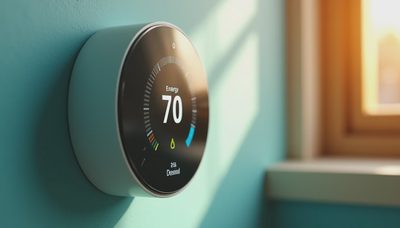
For an air conditioner Boise upgrade, smart controls are useful when they solve a specific problem. A connected thermostat can show runtime, alert you to filter reminders, and adjust temperatures when the house is empty. It should not require a cloud subscription just to turn down the temperature.
In my own house, I use Home Assistant to compare thermostat calls with whole-home energy data in HouseOS, my Grafana dashboard. That revealed a useful pattern: the system was running hard late in the afternoon because the upstairs thermostat reacted after the bedrooms had already overheated. Pre-cooling the house slightly before the worst solar load worked better than setting an aggressive temperature later.
You can add room sensors, but place them where people actually spend time, away from supply vents and direct sunlight. Automation should also have a physical fallback. If the Wi-Fi goes down, the family should still be able to adjust the temperature without calling the person who installed the system.

Installation details that separate good work from expensive work
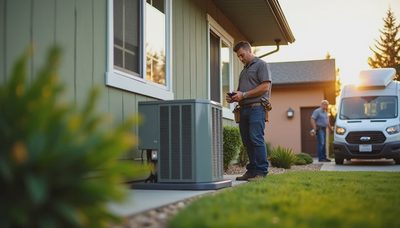
Once an air conditioner Boise contractor starts the job, watch the details that affect performance for the next decade. The outdoor unit needs clearance for airflow and service access. Refrigerant lines should be installed cleanly, protected from damage, and tested according to the equipment manufacturer’s requirements. The condensate drain needs a safe path, especially if the indoor coil sits above a finished ceiling.
Duct connections deserve equal attention. Mastic-sealed joints and properly supported flex duct can prevent wasted cooling in the attic. Foil tape alone is not a substitute for sealing every connection. The installer should verify airflow, confirm thermostat operation, and explain filter size and access before collecting the final payment.
Do not skip the electrical review. A new condenser may need a different breaker, disconnect, wire size, or circuit protection arrangement. The outdoor disconnect must be accessible, and the equipment should be grounded correctly. These are not glamorous upgrades, but they are the difference between a clean install and a service call during the first heat wave.
A sensible Boise buying plan
Before requesting quotes, document your current problems: hot rooms, short cycling, rising bills, poor airflow, or frequent repairs. Take photographs of the equipment labels and note the age of the furnace, AC, and thermostat. Request at least two written proposals that separate equipment, labor, duct repairs, electrical work, permits, warranty terms, and disposal.
If your furnace is near the end of its life, include a heat pump option rather than pricing another AC in isolation. If the ductwork is damaged, budget for sealing before buying premium equipment. If the home has one uncomfortable zone, investigate airflow and insulation before adding a second thermostat.
The best air conditioner Boise choice is the one that fits the building and your next five years, not the one with the flashiest brochure. Measure first, size carefully, and make the controls serve the household. Your house should work for you, not the other way around.


Letters
No letters yet — be the first to write.