If you are researching how to set up solar panels for home, start with the boring parts: your electric bills, roof condition, electrical panel, and utility rules. Panels are the visible part of the project, but the economics are decided before anyone climbs a ladder. A well-sized system can lower grid purchases for decades; a poorly planned one can leave you with a large loan and disappointing production.
I approach solar the same way I approach a home network: map the existing system, identify the bottleneck, then buy hardware. At my Boise house, I tracked monthly electricity use before requesting proposals. That prevented me from sizing around one unusually hot month and gave me a baseline for judging the installation.
Start with your energy data, not your roof
Pull the last 12 months of utility bills and record total kilowatt-hours, not just the dollar amount. Rates change, but your consumption tells you how much energy the solar array needs to produce. Look for seasonal patterns. Air conditioning can dominate summer use, while electric resistance heat, a heat pump, or a heat pump water heater can shift demand into winter.
Next, identify future loads. If you expect to buy an electric vehicle, replace a gas furnace with a heat pump, or finish a basement, include those projects in the estimate. A typical rooftop system might range from 5 to 12 kilowatts for a single-family home, but the correct size depends on roof space, shade, local sunlight, utility compensation, and your annual consumption.
Do not assume a bigger system is automatically better. If your utility credits exported power at a lower rate than it charges for evening electricity, oversizing can weaken the payback. Ask each installer to show estimated annual production, expected monthly imports, and the assumptions behind those numbers.
Inspect the roof, shade, and electrical panel
A solar contractor should inspect roof age, material, pitch, structural condition, and access. If your asphalt shingles are already near replacement age, reroofing before solar is usually cleaner than removing and reinstalling panels later. That second mobilization can cost several thousand dollars, depending on the roof and local labor rates.
Shade deserves more attention than a quick driveway estimate. Trees, chimneys, neighboring homes, and rooftop equipment can block production during part of the day. Ask for an hourly shade analysis rather than a simple statement that the roof is “mostly sunny.” Panel-level electronics can reduce the effect of partial shade, but they cannot create sunlight.
Then open the electrical panel. A modern 200-amp service often provides more flexibility than an older 100-amp panel, but service size alone does not answer every question. The installer needs to evaluate busbar capacity, available breaker positions, grounding, conductor paths, and the location of the utility meter. An electrical upgrade can add roughly $2,000 to $5,000, so include that possibility in the first proposal.
Understand the equipment without getting lost in labels
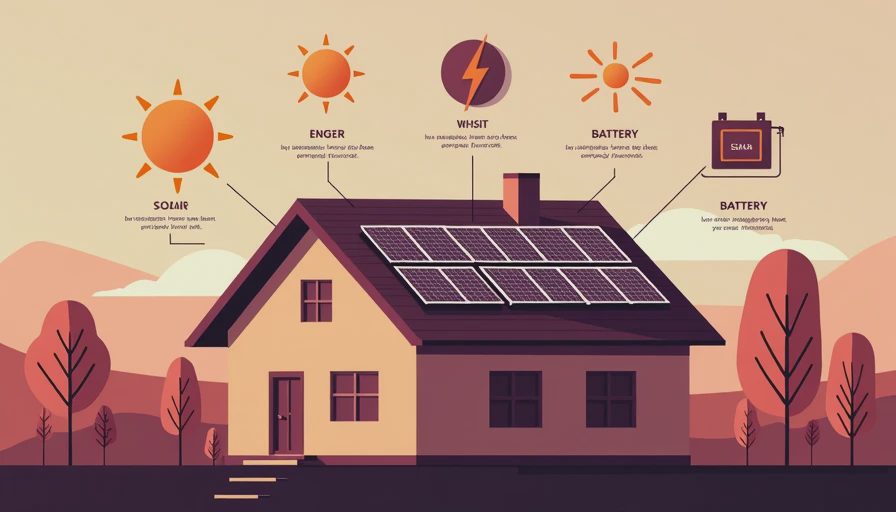
Panels differ in wattage, efficiency, temperature performance, warranty terms, and physical dimensions. A reputable installer can explain why one model fits your roof better instead of treating a brand name as the entire sales pitch. Compare the expected system output, not only the panel rating.
The inverter changes direct-current electricity from the panels into alternating-current electricity your home uses. A central string inverter is often straightforward and cost-effective. Microinverters attach to individual panels and can help when roof sections face different directions or experience uneven shade. Both designs can work well when properly installed.
A battery is optional, not a requirement for going solar. It can shift solar energy into the evening, provide backup during outages, and reduce reliance on expensive time-of-use electricity. However, a battery commonly adds around $10,000 to $20,000 before incentives and may not pay for itself through bill savings alone. Size it around your goals: backup for a refrigerator and internet connection is a different project from whole-home backup with an electric range and heat pump.
How to set up solar panels for home legally and safely
In the United States, this is generally not a weekend do-it-yourself electrical project. Solar work involves roof loading, fall hazards, high-voltage conductors, rapid-shutdown equipment, grounding, utility interconnection, and inspections. Use a properly licensed contractor who can provide electrical and structural documentation, insurance information, and references for completed installations.
The normal sequence is site assessment, system design, contract, permit application, utility approval, installation, electrical inspection, and permission to operate. The utility may require an interconnection agreement before the system can be energized. Do not turn on a newly installed system just because the inverter display is lit; the utility approval step matters.
Read the contract for ownership, workmanship coverage, equipment warranties, roof penetrations, monitoring access, change-order rules, and cancellation terms. Be cautious when a salesperson promises guaranteed savings without showing the production model and utility assumptions. Ask who owns renewable energy certificates or other incentives if the system is leased or financed.

Compare quotes using the same measurements
Get at least three proposals, but do not compare only total price. Put each offer into a simple spreadsheet with system size, estimated annual kilowatt-hours, panel and inverter models, battery capacity, projected degradation, cash price, financing cost, and expected completion date. A $28,000 cash proposal and a $28,000 financed balance are not equivalent offers once interest is included.
For a rough example, suppose a system costs $30,000 before incentives and produces 10,000 kilowatt-hours per year. If your avoided electricity cost averages 14 cents per kilowatt-hour, the first-year offset value is about $1,400 before fixed utility charges and degradation. That simple calculation suggests a long payback, but local incentives, tax treatment, rate increases, and exported-power credits can change the result.
The federal residential clean energy credit has historically offered a significant tax credit for qualifying equipment, but tax rules and eligibility can change. Treat it as part of a documented calculation, not an instant check. A tax professional can confirm whether your household can use the credit.
What I would monitor after installation
Install the monitoring app, then export its data if possible. I use a dashboard because monthly totals reveal problems that a green “system healthy” icon will not. Compare production against the installer’s forecast, watch for a panel or inverter reporting zero, and check whether the utility bill reflects exported energy correctly.
Expect production to vary with clouds, snow, smoke, temperature, and season. One weak day proves little. A consistent shortfall over several weeks deserves a support ticket and a review of inverter alerts, disconnects, shade changes, and utility meter readings. Keep copies of permits, inspection records, warranties, and photographs of wiring before the conduit is covered.
The best answer to how to set up solar panels for home is a measured one: reduce waste first, size from real consumption, repair the roof before mounting hardware, compare production rather than marketing claims, and understand the utility agreement. Solar can be a strong long-term upgrade, especially when paired with insulation, efficient heating, and smart load scheduling. Your house should work for you, not the other way around.



Letters
No letters yet — be the first to write.