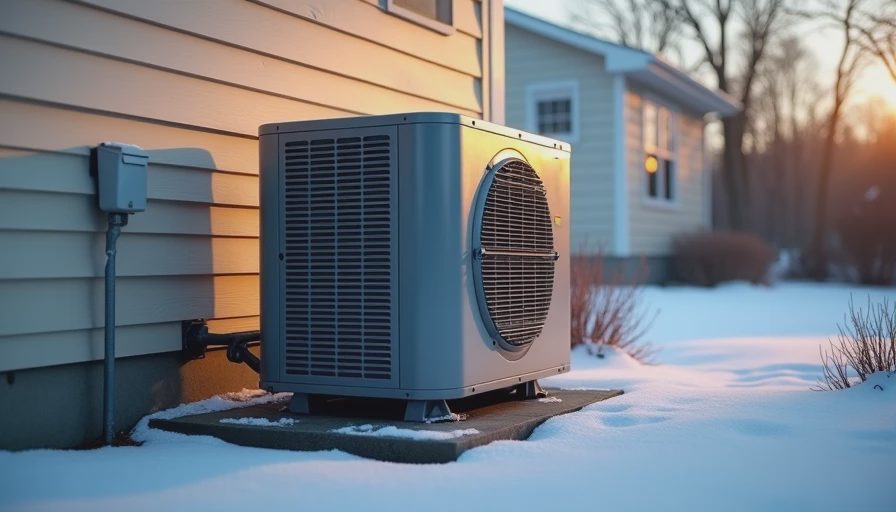
The Machine That Had to Prove Itself in January
When the heat pump went in, the brochure numbers looked excellent. The installer was confident. My own spreadsheet, built from the baseline energy audit, predicted solid savings. None of that mattered until the first full winter arrived and the temperature in the Boise Foothills dropped into the single digits for a sustained stretch.
This post is the eighteen-month report card. Not the sales-sheet version. The version that includes the very cold January, the shoulder-season surprises, the utility bills that finally stopped looking like the old gas-furnace days, and the small operational details that only show up after you live with the system through multiple seasons.
Your house should work for you, not the other way around. A heat pump earns that statement only after it has been measured through the worst weather your climate actually delivers.
The System We Actually Installed
The outdoor unit is a cold-climate heat pump sized against the Manual J that came out of the baseline work. The indoor air handler replaced the old furnace in the same footprint. Backup heat is electric strip, set to stay offline unless the outdoor unit genuinely cannot keep up. The whole system talks to Home Assistant so runtime, power draw, and indoor temperatures are logged alongside the circuit-level monitors and the eventual solar production.
I did not chase the highest SEER or HSPF number on the market. I chased a system that would still deliver usable heat when the temperature sat at 5 °F at 6 a.m. and the wind was coming off the ridge. That decision shaped everything that followed.
The First Winter and the January That Tested Everything
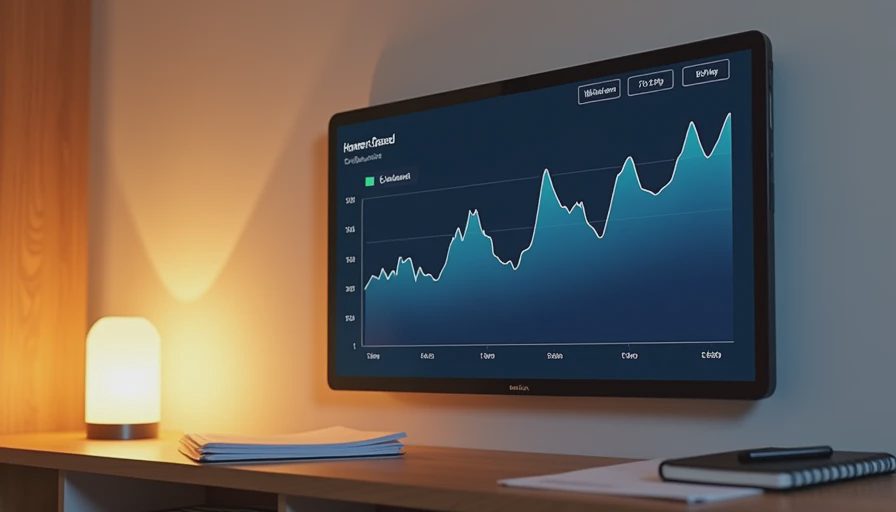
The first months were mild and flattering. Efficiency looked great. Runtime was modest. Then January arrived with a stretch of nights in the single digits and daytime highs that barely climbed out of the teens. This is the period every cold-climate heat-pump owner eventually has to confront.
Power draw from the outdoor unit and air handler climbed, as expected. The system kept the house at the setpoints we asked for. Backup strip heat stayed off for all but a few hours on the coldest morning when we had also been recovering from a nighttime setback. Indoor temperatures remained even—no cold bedrooms, no frantic thermostat adjustments. The old furnace would have been short-cycling and burning gas at a much higher effective cost.
The January bill was higher than the mild months, of course. After weather normalization against the old gas-furnace baseline, the heat pump still came out ahead on total energy cost. That single cold month did more to convince me than any of the brochure curves.
Eighteen Months of Numbers Without the Marketing
Looking across the full period, several patterns are now clear.
Winter energy use dropped meaningfully compared with the gas furnace years once the numbers were adjusted for degree days. The heat pump moved a large portion of the heating load onto electricity, and Idaho Power’s rates (especially after the later time-of-use shift) made that trade favorable.
Summer cooling costs stayed roughly flat. The same machine that heats also cools, and Boise summers are not extreme enough to punish the system. The real efficiency gains showed up in the shoulder seasons—March, April, October—when the old furnace would have been cycling inefficiently while the heat pump simply ran at low speed and kept the house comfortable.
Circuit-level data revealed that the air handler and outdoor unit together formed a clean, predictable load. There were no mysterious overnight draws or unexpected spikes once the system had been commissioned correctly. The Grafana panels that Taryn still calls the nerd wall made it obvious when a filter was loading up or when a defrost cycle was lasting longer than usual.
One quiet win: the house simply feels more even. Supply-air temperatures are lower than the old furnace, but runtime is longer and steadier. The result is fewer hot-and-cold swings and less stratification between floors.
What I Would Change and What I Would Keep
If I were starting over I would still choose a cold-climate unit with honest low-temperature capacity rather than chasing peak efficiency numbers that only appear at mild outdoor temperatures. I would still insist on proper Manual J sizing against a real baseline instead of rules of thumb. I would still bring the system into Home Assistant on day one so the data lives with everything else.
I would spend even more time on duct sealing before the install. The baseline audit had already flagged attic duct leakage; fixing more of it before the new air handler arrived would have improved delivered efficiency from the first day. I would also set the backup-heat lockout a little more aggressively now that I trust the outdoor unit’s low-temperature behavior.
The biggest non-number lesson is patience with the first winter. Early mild-month data can make any heat pump look like a miracle. The cold stretch is what tells you whether the system was specified correctly for your climate.
The Bottom Line After Eighteen Months
The heat pump did what the data said it should do. It cut the effective cost of heating, kept the house comfortable through a real Boise cold snap, and turned the shoulder seasons into near-free comfort. It is not magic. It is a well-sized machine operating inside a house that had already been measured and partially tightened.
Future posts will dig into the solar interaction and the longer-term maintenance reality. For now the eighteen-month verdict is simple: the numbers held up, the cold January did not break the system, and the house is quieter and more even than it was with the old furnace.
Your house should work for you, not the other way around. After eighteen months and one very cold January, this one finally does—at least on the heating and cooling side.


Letters
No letters yet — be the first to write.