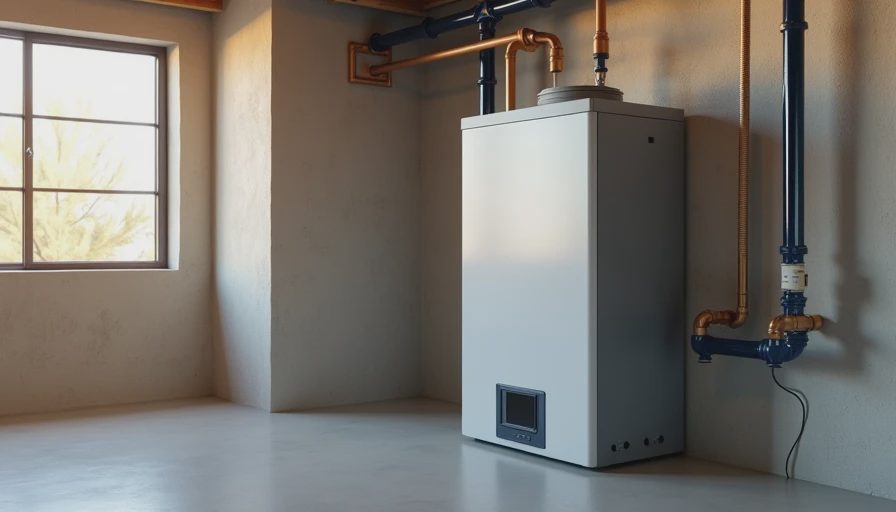
The Appliance That Quietly Changed the Basement
Replacing the old electric resistance water heater with a heat-pump model was one of the faster decisions on the project list. The circuit monitors had already shown the resistance unit as a steady, high-hour load. The baseline energy audit had flagged water heating as low-hanging fruit. Rebates improved the net cost. The install itself was straightforward.
What I wanted after the truck left was ninety days of ordinary life with the new machine—enough time to see real energy numbers, hear the noise in context, feel any cold-air effects in the basement, and decide whether the spreadsheet optimism had survived contact with a working household.
This is that ninety-day report.
Your house should work for you, not the other way around. Hot water is one of the more constant ways a house can either waste energy or stop doing so.
The Install and the Immediate First Impressions
The unit went into the same basement utility corner the old tank had occupied. The existing 240-volt circuit was adequate. A condensate drain was added. The air filter was accessible. From a pure mechanical standpoint the swap was clean.
The first thing anyone notices is the sound. A heat-pump water heater is not silent. It has a fan and a compressor. In our basement the noise level sits in the “noticeable if you are standing next to it, easy to ignore from the stairs” range. It has never been loud enough to reach the main living spaces as a complaint. It is simply present in a way the old resistance tank never was.
The second immediate effect is thermal. The unit pulls heat from the surrounding air to put into the water. In a Boise basement that is already cool for much of the year, the local air temperature drops a few degrees while the compressor is running. The effect is measurable and localized. It has not created comfort problems upstairs, but it is real if you spend time in the utility area.
The Energy Numbers After Ninety Days
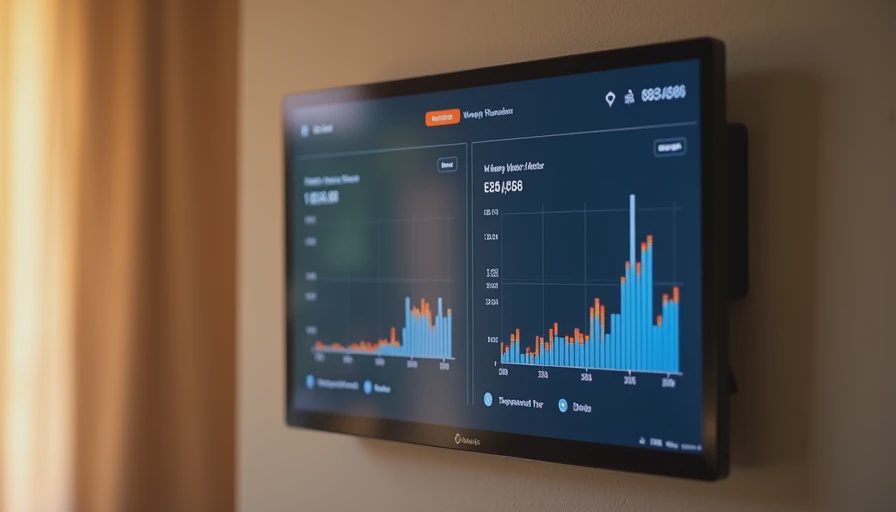
Circuit-level monitoring made the comparison simple. The old resistance heater had a clear, high daily energy signature. The heat-pump unit cut that consumption dramatically—typically in the 60–70 percent reduction range depending on incoming water temperature and household hot-water use. The savings showed up on the utility bills without any change in behavior. Showers, laundry, and dishwashing continued as before.
Because the unit runs longer but at far lower power, the load shape changed. Peaks are lower. Runtime is more spread out. Under the time-of-use plan this is generally favorable; the machine does a large fraction of its work outside the expensive window without any special scheduling.
Ninety days is not a full year, but the trajectory matches the modeled expectations closely enough that I trust the longer-term payback projection. After the rebate, simple payback remains well inside the “comfortable” zone for this house.
The Practical Side Effects Worth Knowing
Filter maintenance. The air filter needs regular attention. A clogged filter raises runtime and noise. I added a recurring reminder based on runtime rather than the calendar; it has already proven useful.
Cold-air plume. During longer recovery cycles the air leaving the unit is noticeably cooler. In a tight utility closet this could matter more. In our open basement corner it simply becomes part of the local microclimate. I would not install one in a finished, conditioned space without planning for the heat extraction.
Recovery time. The heat-pump mode is efficient but not instantaneous. When the household stacks multiple large hot-water events, the unit can switch to hybrid or electric-resistance elements to keep up. That is expected behavior. It has not created any “we ran out of hot water” incidents, but it is visible in the power data when it happens.
Integration. Pulling the unit into Home Assistant gave me runtime, mode, and power visibility alongside everything else. It is not required for basic function, but it makes the efficiency story continuous instead of anecdotal.
Would I Make the Same Choice Again?
Yes. The energy reduction is real, the noise is manageable in a basement location, the cold-air effect is acceptable for the space we have, and the financial case held up under actual use. I would still insist on circuit-level or at least whole-house monitoring so the savings are measured rather than assumed. I would still treat the filter as a first-class maintenance item.
The heat-pump water heater is one of the quieter success stories in the house. It does not have the visual drama of solar or the comfort visibility of the space-heating heat pump. It simply uses far less electricity to deliver the same hot water, day after day.
Your house should work for you, not the other way around. After ninety days, the basement water heater is finally doing its part without the old resistance-shaped electric bill.



Letters
No letters yet — be the first to write.