If you're researching heat pump installation, start with this: it is not just a swap-the-box-and-go project. A heat pump is basically an air conditioner that can run in reverse, so the real work is airflow, refrigerant charge, electrical capacity, and the duct system around it. I learned that firsthand when the first contractor I talked to wanted to quote equipment before measuring the house. That is how you end up paying for comfort you never actually get.
Why heat pump installation is not just an AC swap
A lot of older homes have a furnace sized for the coldest week of the year and ducts designed by whatever happened to fit in the attic. That can work fine with gas heat, but heat pumps are more sensitive to bad airflow. If the ducts are too small, the system gets noisy and loses efficiency. If the return is starved, the house may never reach temperature evenly. A good heat pump installation starts with a room-by-room load calculation, not a guess based on square footage. When I see a quote that skips that step, I assume the rest of the job will be rushed too.
This is also where equipment choice matters. Mitsubishi and Daikin are common ductless options. Bosch, Lennox, Carrier, Trane, and Rheem all show up in ducted projects. None of those names matter if the contractor ignores static pressure, line-set routing, or where the outdoor unit will dump condensate in January. On a cold morning, the house does not care what logo is on the sticker. It only cares whether the system was matched to the load and installed like someone planned to live with it.
What a clean heat pump installation needs before the crew arrives
Before anyone unpacks a condenser, ask what they measured. They should look at insulation, window count, duct leakage, breaker size, and whether the existing air handler can move enough air. A clean heat pump installation also includes the boring stuff nobody posts on Instagram: a proper disconnect, a level pad or stand, sealed line-set penetrations, and a thermostat setup that matches the equipment instead of fighting it. If the quote does not mention permits, that is a yellow flag, not a tiny detail.
If your home still has old supply runs leaking in the attic, fixing those leaks can be worth as much as a higher-SEER sticker. I have seen homeowners spend an extra $2,000 on a better compressor when $600 of duct sealing would have delivered the same comfort jump. That is why I keep telling people the house is a system, not a box of parts. The equipment is only one piece of the story, and usually not the most expensive mistake.
What it usually costs, and what pushes the price up
For a straightforward replacement, heat pump installation often lands somewhere around $8,000 to $16,000. A simple ductless mini-split can come in lower, while a bigger ducted system with electrical upgrades, new ducts, or a hard-to-access attic can push well past that. Cold-climate equipment also costs more up front, but it is the right spend if you want reliable heating without leaning on backup strips all winter.
The price swings come from real work, not salesperson magic. If the panel is full and the new system needs a dedicated breaker, that is an electrician visit. If the refrigerant lines need to run through finished space, that is labor and patching. If the old duct board is falling apart, the installer may need to rebuild sections instead of just connecting to them. In other words, the bid that looks cheapest is often the one that quietly assumes the least. That is fine for a flyer. It is expensive in a lived-in house.
The mistake I made, and how to avoid it
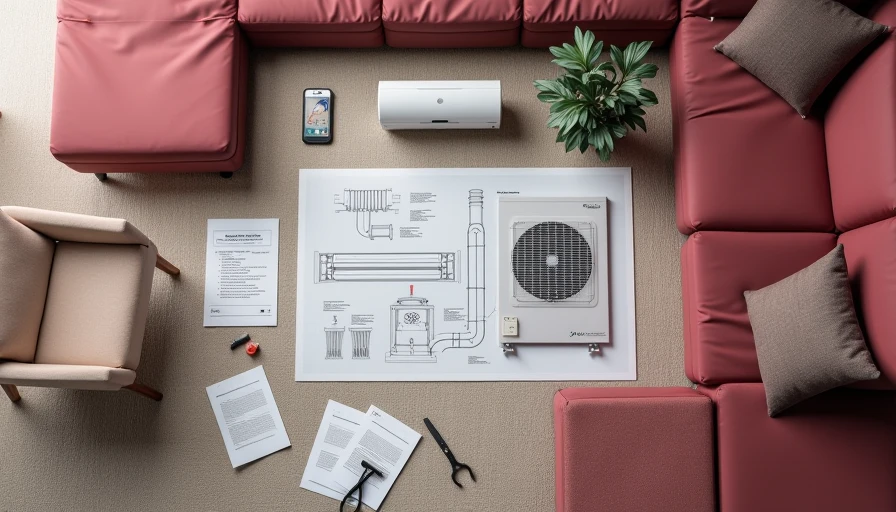
On my own house, the first mistake was assuming the existing duct layout was good enough. It was not. One supply run dumped too much air into a room nobody used, while the bedroom at the end of the hall stayed stubbornly cool. The fix was not a bigger unit. It was balancing dampers, a better return path, and a thermostat location that stopped getting fooled by a sunny wall.
That lesson matters because heat pump installation is easy to oversell as a miracle upgrade. It is a great comfort system, but it cannot rescue bad ducts, missing insulation, or a panel that is already maxed out. If you want the utility bill to drop, treat the project like you would a network upgrade: find the bottleneck first, then buy the hardware. That is how you get a house that feels quieter, steadier, and less expensive to run. In Boise, that matters most in the shoulder seasons, when the system spends more time cruising than recovering from a deep freeze.
Rebates, permits, and what to ask in the quote
Most utility rebates reward the whole package, not just the shiny outdoor unit. Some programs want a certified contractor, a room-by-room load calculation, and proof that the old system was removed. Federal incentives and local utility offers change often, but a homeowner can sometimes stack a few hundred dollars from the utility with a larger tax credit if the equipment qualifies. That can turn a painful quote into a workable one.
When you compare bids, ask for the model numbers, the efficiency ratings, the warranty terms, and the scope of work in writing. You want to know whether the price includes permits, thermostat wiring, condensate routing, and cleanup of the old equipment. If the contractor cannot explain why one bid is $3,000 higher, it usually means one of them is missing something important. It also means you should keep shopping before you sign anything.
What maintenance looks like after the crew leaves
Routine care is simple, but it is not optional. Filters need to stay clean, especially if the house has pets or the system runs a lot in summer. The outdoor coil needs room to breathe, which means keeping leaves, snow, and weeds away from it. If the system has a condensate drain, it should be checked occasionally so you do not discover a clog on a humid week when the air handler starts dripping.
I also like a quick seasonal check of the thermostat behavior. If the system short-cycles or swings too much, something is off in the setup or the airflow. A well-tuned system should feel boring in the best way: steady temperature, fewer hot and cold spots, and no dramatic racket when the compressor ramps up. That boring feeling is what you are paying for, and it usually means the install was done with some care.

How to shop without getting lost in jargon
A solid quote should read like a plan, not a brochure. You should know how the system was sized, where the air returns are, what electrical work is included, and what happens if the installer finds a damaged duct once the attic hatch is open. If the salesperson keeps talking only about brand reputation, walk them back to your house. The brand matters less than whether the contractor knows how to pair the equipment with your ductwork and your panel.
For most homeowners, the best move is a contractor who does more than HVAC. You want someone who understands airflow, electrical constraints, and comfort by room. That is the difference between a system that looks great on paper and one your family barely notices except when the bill shows up lower. If you are planning heat pump installation this year, spend the extra hour getting the scope right. Your house should work for you, not the other way around.




Letters
No letters yet — be the first to write.