The benefits of smart home automation are easiest to spot after you live with it for a month, not after the box is still shiny on the counter. In my house, the first useful win was not some sci-fi voice command. It was the boring stuff: the thermostat backed off when the house was empty, the porch light stopped burning all night, and the leak sensor under the water heater caught a slow drip before it turned into a Saturday disaster. That is the real pitch. You are not buying gadgets for a brag shelf. You are buying a house that wastes less energy, asks for less attention, and behaves a little more like a competent adult.
Where the bill gets smaller
One of the biggest benefits of smart home automation is that it turns bad habits into repeatable settings. A smart thermostat from Ecobee or Honeywell Home can trim the stupid little swings that happen when everyone keeps nudging the setpoint. Pair that with smart switches in the rooms you actually use after dark, and you stop paying to light empty hallways and bonus rooms. On a typical house, I would rather see a few well-chosen automations than a dozen gadgets no one remembers to use. A thermostat, a handful of dimmers, and a couple of smart plugs usually cost less than a dinner-table argument over the energy bill. If the old setup was wasteful, the savings can be real enough to notice in the first full billing cycle.
The other trick is load control. A clothes dryer, dehumidifier, space heater, or old cable box does not care what time it is, but your utility rate might. A simple schedule or occupancy rule can shift some of that use away from expensive hours without changing how the house feels. That is the kind of automation that survives family life, because nobody has to remember it. The system just quietly does the right thing.
Convenience that sticks after the novelty fades
The benefits of smart home automation are not just about kilowatt-hours. They show up in the small moments that used to eat time. The porch light turns on before you get home. The mudroom light comes up when the garage door opens. The bedtime scene shuts down half the house with one tap instead of six. None of that sounds dramatic, but the payoff is that people actually keep using it. That matters, because a clever setup that nobody touches is just expensive decor.
I also like systems that reduce the number of decisions the house asks for every day. If the living room shades drop when the afternoon sun turns brutal, the AC does less work. If the bathroom fan runs long enough after a shower, the mirror fog clears and the humidity drops without a reminder text from me. Those little routines are where smart home automation earns its keep. They remove friction. The house stops negotiating with you over things it already knows how to do.
Safety is not the sexy part, but it is the part you remember
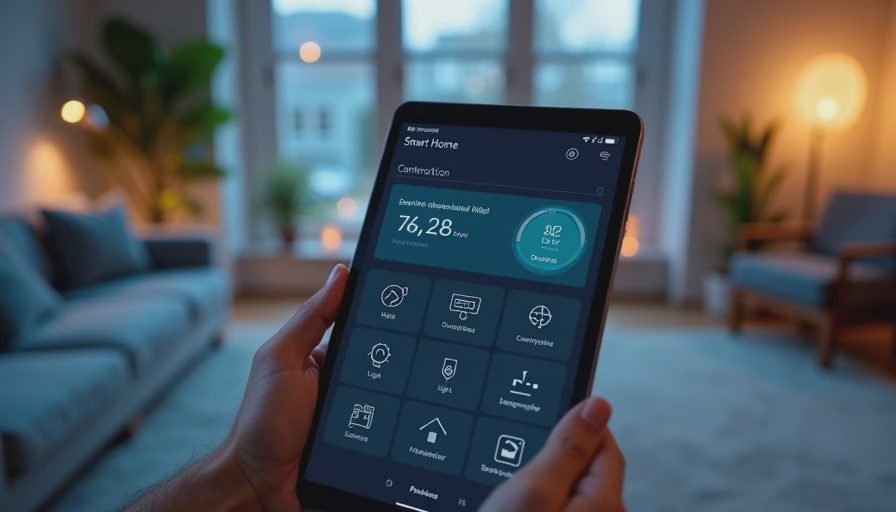
A leak sensor is not exciting until the supply line under a sink fails and you find out the difference between a one-inch puddle and a twelve-hour flood. Same story with smoke, carbon monoxide, and garage doors. I am not saying automation replaces a detector or good wiring. It does not. I am saying it adds another layer of response. A water shutoff valve tied to a sensor can stop a problem before the drywall gets soft. A notification on your phone can tell you the garage stayed open after everyone left. That is not paranoia. That is insurance with a battery.
This is where the benefits of smart home automation get practical fast. A $25 leak puck in a laundry room is cheap. A smart shutoff valve may run a few hundred dollars, but one avoided plumbing claim can make that look modest. I have seen more damage from slow, boring leaks than from dramatic failures, which is exactly why the boring alerts matter. They catch the stuff nobody notices at 10 p.m. on a Tuesday.
Better visibility means fewer mystery bills
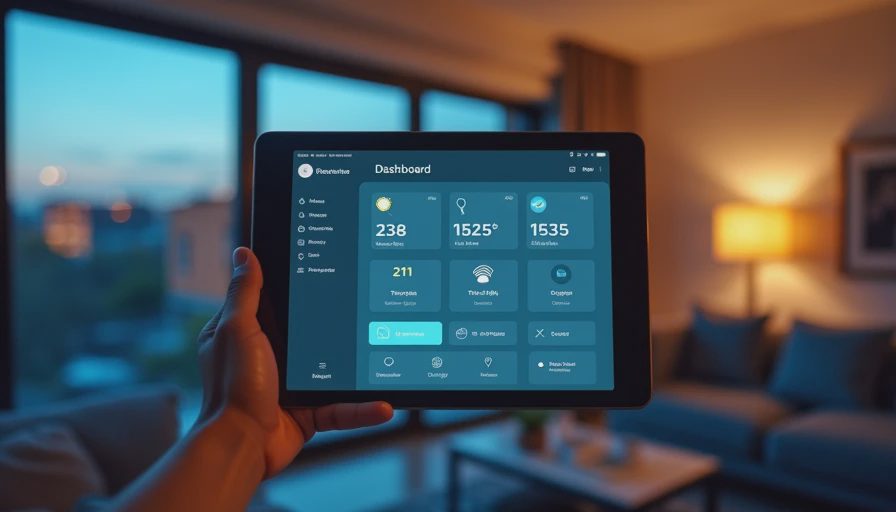
The engineer in me likes data because it cuts through the gut-feel arguments. When you can see what the house used overnight, you stop guessing. Maybe the dehumidifier in the basement ran harder than you thought. Maybe the heat strip came on because the thermostat was fighting a bad sensor. Maybe the holiday lights stayed on for three days because nobody made a scene to turn them off. A smart panel, utility monitor, or even a few smart plugs can show patterns that a monthly bill hides.
I call my own dashboard HouseOS because I am that guy, but the point is not the name. The point is that visibility changes behavior. Once you can compare yesterday to last week, you start fixing the real problem instead of buying a random gadget and hoping it helps. That is another one of the benefits of smart home automation: you get evidence. And once you have evidence, you can make upgrades in the right order instead of chasing shiny objects.
What I would automate first in a normal house
If I walked into a 1990s or 2000s house and had to spend money like it mattered, I would start with the thermostat, a few lighting circuits, leak detection, and one or two plugs that handle ugly standby loads. That gives you comfort, a little savings, and a safety net without turning the whole house into a science project. A smart thermostat usually lands in the $150 to $250 range. Good retrofit switches and dimmers can run $40 to $70 each, and leak sensors are often $20 to $40 apiece. You do not need twenty of anything on day one.
The benefits of smart home automation show up fastest when the automations are tied to real annoyances. If the front hall is dark every night, fix that first. If the basement has a history of mystery dampness, protect that first. If the family keeps leaving the bedroom fan on, automate the shutdown. Start where the friction lives, not where the product marketing is loudest. That keeps the project useful instead of decorative.
A realistic payback story from the retrofit side
Here is the part most gadget reviews skip. A basic setup with one smart thermostat, six to eight switches, a handful of sensors, and a hub can cost roughly $500 to $900 before labor. Add a water shutoff valve and you might be near $1,200 to $1,600. That is not pocket change. But if the setup trims even a modest amount off heating, cooling, and lighting waste, the payback starts looking normal instead of mythical. In a home with a sloppy schedule or a few always-on loads, I have seen the monthly utility bill move enough to matter within the first season.
The best part is that the system keeps compounding. You add one room, then one sensor, then one more automation when you notice a pattern. That is how a house becomes easier to live in without becoming a hobby in itself. Your house should work for you, not the other way around. If you want that result, focus on the benefits of smart home automation that solve real problems first, then let the rest grow from there.




Letters
No letters yet — be the first to write.