Hiring boise contractors for an energy retrofit is less like ordering a new appliance and more like assembling a network: every component has to communicate, and one weak connection can ruin the result. A heat pump, electrical panel, insulation package, and smart controls should work as one system. The lowest bid rarely tells you whether that system will perform.
I learned this the hard way in my own 2003 Boise house. I focused on the heat pump equipment, then discovered the return duct was undersized. The unit ran, but comfort was uneven and the hallway sounded like an airport jet bridge. A $300 duct correction did more for daily comfort than another expensive app ever could. Here is how I now evaluate local crews before signing a contract.
Start with the project, not the contractor list
Before calling boise contractors, write a one-page project brief. Include the problem, your target result, equipment you already own, and the budget range that will not make your family resent the upgrade. For example: “Reduce winter gas use, cool the upstairs bedrooms, and keep the electrical service below a panel replacement if possible.” That is much more useful than asking for a quote on “a smart house.”
Gather twelve months of Idaho Power bills, recent gas statements, photos of the mechanical room, and the model numbers of your furnace, water heater, and main electrical panel. A contractor can make better recommendations with actual load information. Ask for a basic heat-load calculation before choosing a heat pump. Square footage alone is not a design method; windows, insulation, air leakage, orientation, and ductwork all matter.
For a smaller project, such as air sealing and attic insulation, a reasonable scope might run from roughly $2,000 to $7,000, depending on access and materials. A ducted heat pump can cost substantially more, particularly if electrical upgrades are needed. Those ranges are planning numbers, not promises, but they help you spot a bid that is wildly detached from the work.
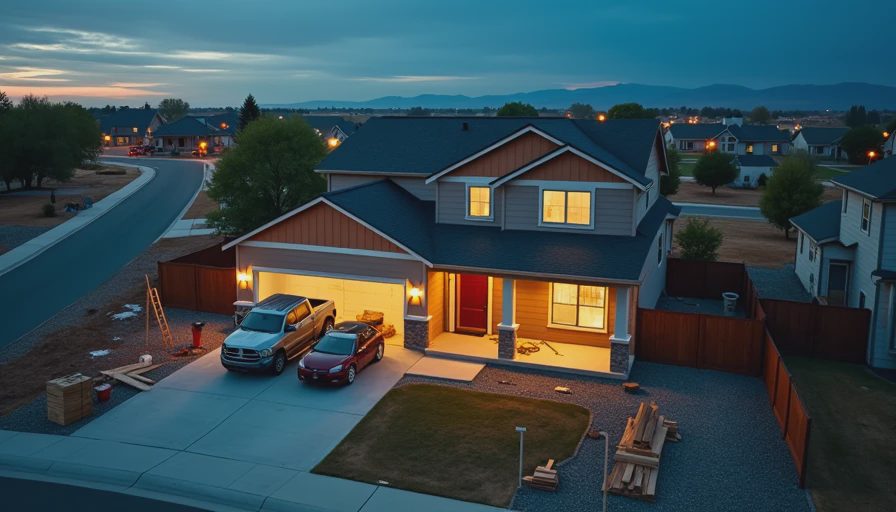
What good boise contractors show you in a bid
A useful proposal explains equipment, labor, permits, disposal, startup, warranty handling, and exclusions. “Install heat pump” is not enough. I want the outdoor unit model, indoor unit model, refrigerant line length assumptions, electrical requirements, thermostat or control plan, and what happens if the existing ductwork fails inspection.
Compare bids line by line instead of comparing only the total. One proposal may include a new disconnect, condensate protection, and commissioning while another quietly leaves those items to the homeowner. A $14,000 quote and a $11,500 quote are not different prices for the same job if the cheaper proposal omits $2,000 of necessary electrical and duct work.
Ask how the crew verifies performance after installation. For HVAC work, that should include airflow, temperature split, refrigerant measurements, and a test of backup heat when applicable. For insulation, ask about coverage depth and air sealing around recessed lights, plumbing penetrations, and the attic hatch. The deliverable is not a pile of material; it is a house that uses less energy and stays comfortable.
Check licenses, insurance, and actual experience
Local boise contractors should be willing to provide their Idaho contractor registration information, proof of general liability coverage, and workers’ compensation coverage when they have employees. You do not need to become an attorney, but you do need a paper trail. Verify the business name on the contract matches the company you researched and the entity receiving payment.
Experience also needs to match the project. A crew that installs standard gas furnaces every day may not be the right fit for a cold-climate heat pump, heat-pump water heater, smart electrical panel, or battery-ready service. Ask for two or three recent projects similar to yours. A competent contractor can explain what went wrong on a previous job and how the process changed afterward. Anyone claiming every installation is flawless is selling a story, not demonstrating control.
References should answer practical questions: Did the crew protect floors and walls? Was the final price close to the signed price? Did the company return calls when the equipment made an unfamiliar noise? Those details predict the ownership experience better than a glossy truck wrap.
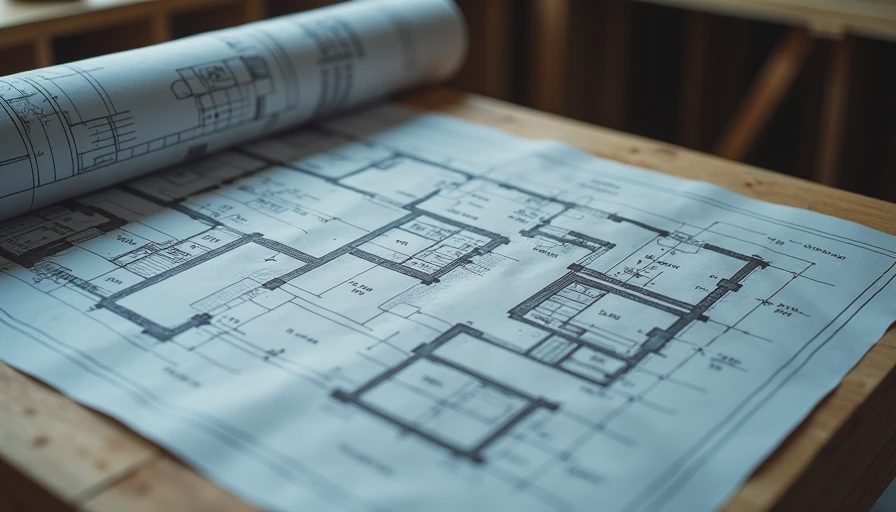
Use the electrical panel as a design checkpoint
Many energy upgrades eventually meet at the breaker panel. An electric vehicle charger, heat-pump water heater, induction range, and new HVAC system can create a larger load than a 1990s or early-2000s house was designed to handle. That does not automatically mean you need a service upgrade, but it does mean someone should calculate the load before promising a simple installation.
Ask boise contractors to identify available breaker space, service size, panel condition, conductor capacity, and any code-related corrections. A smart panel is not a magic way to create more electricity. It can monitor circuits and manage loads, but it cannot fix a damaged bus bar or undersized service conductors. I like load management when it solves a measured problem, not when it is used to hide one.
Get the electrician and HVAC contractor talking before work begins. If they operate as completely separate companies, assign one person responsibility for coordination. The homeowner should not be the router between two trades trying to exchange technical information through text messages.
Red flags that deserve a slower answer
Be cautious when boise contractors insist on a same-day signature, refuse to itemize labor, or promise savings without reviewing your current bills. Other warning signs include requests for a very large upfront payment, vague warranty language, no permit discussion, and recommendations based entirely on the equipment with the highest sticker price.
A rebate can improve a project’s economics, but it should not be the reason the project exists. Confirm eligibility, required efficiency ratings, installation dates, and documentation before subtracting an incentive from your budget. A contractor saying “you will definitely get the rebate” is not the same as an agency approving your application.
The best response to pressure is a written question. Ask what is included, what is excluded, who pulls permits, and what happens if concealed damage appears. A professional answer may include a change-order process. A defensive answer tells you the sales process matters more than the installation.
Build a contract that protects the outcome
The contract should name the equipment, total price, payment schedule, start and completion expectations, permit responsibility, cleanup standard, warranty terms, and change-order procedure. Keep the deposit tied to a sensible milestone rather than paying nearly the full amount before equipment arrives. Never rely on a verbal promise that is absent from the proposal.
For complicated work, divide payment around visible progress: materials delivered, rough installation complete, inspection passed, and commissioning finished. Hold enough back to resolve punch-list items, such as missing insulation, an unfinished conduit route, or a thermostat that has not been configured correctly.
After the job, collect manuals, serial numbers, permit records, warranty contacts, and test results. Photograph the panel and equipment labels while everything is clean and accessible. Add major circuits to your energy dashboard if you use one. Six months later, compare utility use and comfort against the baseline rather than trusting memory.
I still hire tradespeople for work beyond my limits, even with an engineering background. The goal is not to win an argument with a contractor; it is to get a safe, inspectable installation that performs for years. Choose boise contractors who explain the numbers, document the work, and admit where a plan needs adjustment. Your house should work for you, not the other way around.


Letters
No letters yet — be the first to write.