Mini split heat pump installation is one of the few upgrades that can make a home feel better in week one and still look smart on the utility bill a year later. A heat pump is just an air conditioner that can run in reverse, so when a contractor does the job right, you get efficient cooling in summer and clean, zone-by-zone heat in winter. I have seen homeowners spend $6,000 on a bedroom and office zone and feel like they bought back their sleep.
What a mini split heat pump installation actually includes
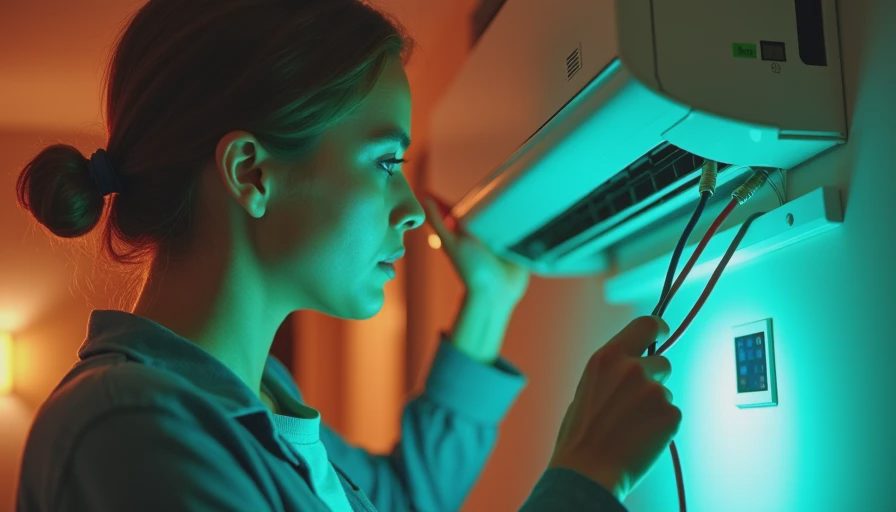
A real mini split heat pump installation is not just hanging a white box on the wall and calling it done. The outdoor unit has to sit on a level pad or wall bracket, the indoor head needs a clean path for the line set, and the electrician has to confirm breaker size, wire gauge, and disconnect requirements. The installer also needs to think about condensate drainage, because a unit that cools well but drips into a wall cavity is a future repair bill.
In a single-zone setup, the line set, communication cable, and drain usually run through one small wall penetration. In a multi-zone system, that gets more complex fast, and labor climbs with every extra head. That is why one bid can look reasonable and another can feel high even when both use the same Mitsubishi, Fujitsu, or Daikin equipment. You are paying for routing, refrigerant work, electrical work, and the time it takes to do all of it cleanly.
How to read the price without getting lost
For a typical American home, a single-zone system often lands somewhere around $4,500 to $8,000 installed, while a two- or three-zone project can push into the $9,000 to $18,000 range. Those numbers move with labor rates, attic access, wall fishing, panel upgrades, and whether the contractor has to remove an old system. If a quote is far below that range, ask what is missing. If it is far above, ask whether you are paying for a bigger outdoor unit, longer line runs, or a tricky install that will eat a Saturday.
The cheapest bid is usually cheap for a reason. I once compared two quotes for a bedroom upgrade and found one company had included only the equipment and a basic install, while the other had added a permit, a new disconnect, and a better condensate plan. The second bid looked expensive until I realized the first one would have turned into change orders the minute a wall cavity or panel issue appeared. In some utility territories, a rebate of a few hundred dollars to around $2,000 can soften the hit, but only if the model and contractor paperwork are handled correctly.
Sizing matters more than brand loyalty
Mini split heat pump installation starts with sizing, and this is where homeowners get sold on shiny tonnage numbers that do not mean much by themselves. A good contractor should be looking at square footage, insulation, window area, sun exposure, ceiling height, and how leaky the house is. That is the heat-pump version of not buying tires just because they look aggressive.
Oversized equipment short-cycles, which means it turns on and off too often, wastes efficiency, and can leave the room clammy. Undersized equipment runs hard all the time and may never catch up on the coldest night. The right answer is usually a load calculation, not a guess based on the old furnace size. If your contractor cannot explain why a 9k, 12k, or 18k BTU head was chosen, keep asking until the answer sounds like a building problem, not a sales script.
The electrical side is where good installs separate from okay ones
This is the part most people do not see, and it is where I pay the most attention. A mini split may only need a 15A or 20A circuit, but the home’s panel still has to have room, and the breaker must match the manufacturer’s specs. Some systems want a dedicated disconnect within sight of the outdoor unit. Some need a condensate pump if gravity drainage is not possible. None of that is glamorous, but it is what keeps the system reliable.
I also like to ask how the installer plans to protect the finished wall and exterior siding. A sloppy penetration can turn a clean upgrade into a patch-and-paint project. On one of my own jobs, the crew had to redo the wall sleeve because the first hole landed too close to a stud bay and left no room for the drain slope. It cost us an extra afternoon, but it beat discovering the mistake after the drywall was repaired. In the best case, the wall cover looks intentional and the outdoor unit hums quietly enough that you stop thinking about it.
When a mini split beats replacing the whole HVAC system
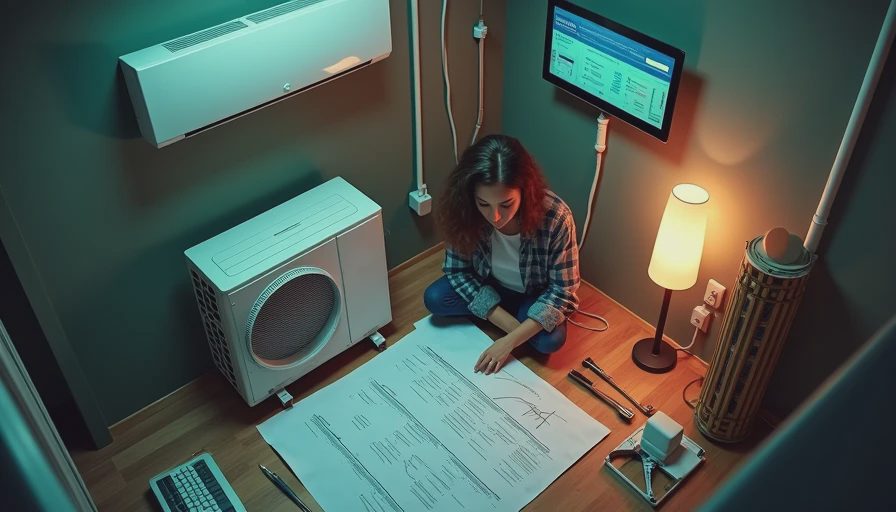
Mini split heat pump installation makes the most sense when you have one stubborn room, a finished bonus space, a garage office, or a house that is comfortable downstairs but miserable upstairs. It can also be a good bridge strategy if your furnace and ductwork are still serviceable and you do not want to rip out everything at once. That is often the case in 1990s through 2010s homes where the bones are fine, but the airflow never was.
For some homes, a ducted heat pump is the better answer. For others, a mix of central heat and one or two ductless heads solves the actual comfort problem at a lower cost. The point is not to buy the most modern thing on paper. The point is to fix the room that keeps you awake, reduce the bill where the system is wasting energy, and avoid spending five figures on capacity you do not need. A good installer will say that out loud instead of pushing the biggest unit on the truck.
Questions I would ask before signing the contract
Before you green-light a quote for mini split heat pump installation, ask who will do the electrical work, whether the permit is included, how the condensate will be handled, and what happens if the line set route changes once the walls are opened. Ask for the exact model numbers, not just the brand name. Ask whether the quote includes a startup and commissioning check, because that is the part where refrigerant charge, airflow, and thermostat behavior get verified instead of hoped for.
Also ask what the contractor expects the system to do on a 95-degree day or a 10-degree morning. If the answer sounds like a shrug, keep shopping. A good mini split heat pump installation should come with a practical explanation of comfort, noise, and monthly operating cost. If you get that, you are not buying hype. You are buying a room that finally behaves.
Your house should work for you, not the other way around.




Letters
No letters yet — be the first to write.