If you are planning heat pump water heater installation, the big question is not whether the technology works. It does. The real question is whether your house has the electrical capacity, the right location, and a sane plumbing path so the project does not turn into a half-day quote that somehow becomes a three-week ordeal. I have seen this upgrade go smoothly, and I have also seen it stall because nobody thought about condensate drainage, noise, or the fact that the old tank sat in a cramped closet with no airflow.
A heat pump water heater is basically an air conditioner running in reverse. Instead of making heat from electricity, it pulls heat from the surrounding air and moves it into the tank. That is why the best installs are usually in garages, basements, or utility rooms with enough room to breathe. Done right, this is one of the easiest ways to cut water-heating costs without ripping open walls.
What to expect from heat pump water heater installation on the day
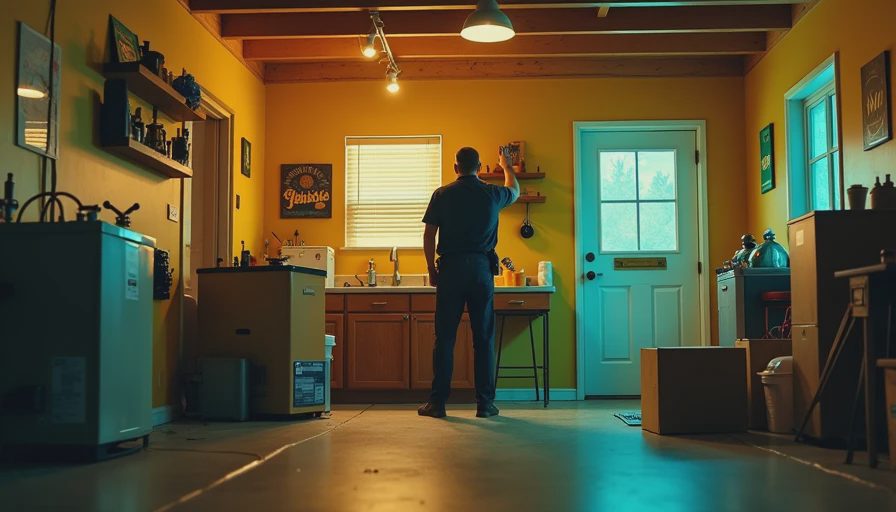
The physical swap is often simpler than people expect. A plumber or electrician disconnects the old tank, sets the new one, hooks up the water lines, and makes sure the drain and temperature-and-pressure relief valve are handled correctly. The catch is that heat pump water heater installation is never just a tank swap. The new unit needs clearances for air intake and exhaust, and it usually wants a dedicated 240-volt circuit. Some models can run on 120 volts, but the faster-heating 240-volt units are still the common choice for full-size homes.
The first thing I check is whether the old electric tank already had a nearby 30-amp circuit. If it did, the electrical side may be straightforward. If not, you may be paying for a new breaker, new wire, and a cleaner path through the panel. That is where quotes can jump by several hundred dollars fast. On a straightforward replacement, the installed price often lands around $2,500 to $4,500 before rebates. If the panel is tight, the closet is cramped, or the drain has to be extended, $5,000 or more is not crazy.
One lesson from my own place: measure the space before ordering the unit, not after. I once assumed a standard footprint would fit with room to service the filters. It did not. I had to rework the layout so the front panel could come off without moving a shelf and a storage bin. Small mistake, annoying fix, and a good reminder that access matters more than spec-sheet perfection.
Electrical and plumbing checks that save money
For heat pump water heater installation, the cheapest mistakes are the ones you avoid on paper. Start with the panel. If your breaker box is already packed, an electrician may need to move loads, add a subpanel, or at least verify that the new draw will not push you into a bigger project. The water heater itself is efficient, but the install can still reveal old-house problems. Loose neutrals, undersized wiring, or a panel with no room for another breaker can change the math quickly.
Plumbing matters just as much. Heat pump units make condensate while they run, and that water has to go somewhere. In a garage, that is often an easy drain line. In a basement or utility room, you may need a condensate pump or a gravity drain route. I have also seen people forget the temperature-and-pressure relief line, which is not optional. That discharge has to go to a safe location, not a bucket and not the nearest floor drain if the code setup is wrong for that space.

If your old tank was gas, the conversation gets a little more complex. You may need to cap or remove the gas line, patch the vent opening, and decide whether the abandoned flue should be sealed properly. That is still manageable, but it is no longer a simple appliance swap. This is the point where a good installer earns the fee by thinking three steps ahead instead of improvising in your driveway.
Where the unit should live if you want it to pay off
Location drives performance. Heat pump water heaters do best where they can steal warm air from the house or from a space that stays above roughly 50 degrees. A garage in Boise works well for much of the year. A cold crawlspace does not. A tiny closet can work only if the installer adds louvered doors, ducting, or enough room for air exchange. If the room is too small and sealed tight, the unit will chill the space and make more noise than you wanted.
That noise question is real. Most modern units are not obnoxious, but they are louder than a simple resistance tank. Think refrigerator-plus-fan, not jet engine. If the unit sits near a bedroom wall or home office, that matters. I tell homeowners to stand in the proposed location and imagine the compressor and fan running during dinner or a video call. If that sounds annoying now, it will sound annoying later.
This is also where efficiency shows up in the bill. In my own house, the old electric tank used roughly 9 to 11 kilowatt-hours a day in cold months. After the upgrade, it settled closer to 3 to 4 on a typical day, with higher spikes when the family had guests or back-to-back showers. That kind of drop is why the right location matters so much. Good airflow and decent ambient temperature are free efficiency.
What the costs look like after rebates
The sticker price is only part of the story. A qualified heat pump water heater can still earn a federal tax credit of up to 30 percent, capped at $2,000, and some utilities offer separate rebates on top of that. I have seen local programs that land anywhere from $300 to $1,000, though the details shift by utility and year. That means a $3,800 install can feel very different after incentives than it did on the first quote.
For heat pump water heater installation, I like to compare the bill against the old tank, not against some fantasy utility math. If your resistance tank was costing $25 to $45 a month to run, and the new unit cuts that roughly in half or better, the payback starts looking real without needing heroic assumptions. Families with high hot-water use will usually get better payback than a single occupant, because the tank runs enough cycles for the efficiency to show up.
If you are weighing the project against insulation or air sealing, that is a fair comparison. I would still rank the water heater as one of the cleaner upgrades because the savings are easy to see and the comfort change is immediate. Hot water is hot water. Nobody has to learn a new thermostat schedule to enjoy it.
The mistakes I see most often
The most common miss is assuming every installer understands the equipment. Plenty of plumbers do fine with a standard tank and stumble when a heat pump unit needs airflow, a drain, and a realistic service clearance. The second miss is undersizing the electrical work. People hear that the appliance is efficient and assume that means the wiring is trivial. It is not. The compressor still needs proper power, and the breaker still needs to be sized correctly.
Another mistake is putting the unit in a spot that looks convenient but performs badly. A tiny laundry closet may fit the tank on day one, then become a heat-and-humidity problem for the next ten years. If you are doing heat pump water heater installation in a finished home, it is worth spending an extra hour on layout before anyone starts cutting pipe.
When the upgrade makes the most sense
This upgrade tends to shine for homes with an electric resistance tank, a garage or basement location, and a panel that can support the load without drama. It also makes sense when you are already planning a water-heater replacement, because the cost difference between a basic tank and a smart, efficient one narrows once you factor in rebates and lower operating cost. If your old unit is leaking or your utility bill keeps climbing, that is usually the moment to move.
If you are trying to decide whether to DIY part of the job, be honest about your skill set. Swapping the tank itself is one thing. Reworking electrical, drains, and venting-related cleanup is another. I am comfortable doing some of that work, and I still call in a pro when the panel or plumbing gets messy. Your house should work for you, not the other way around.



Letters
No letters yet — be the first to write.