The Night the Bill Becomes Dinner Conversation
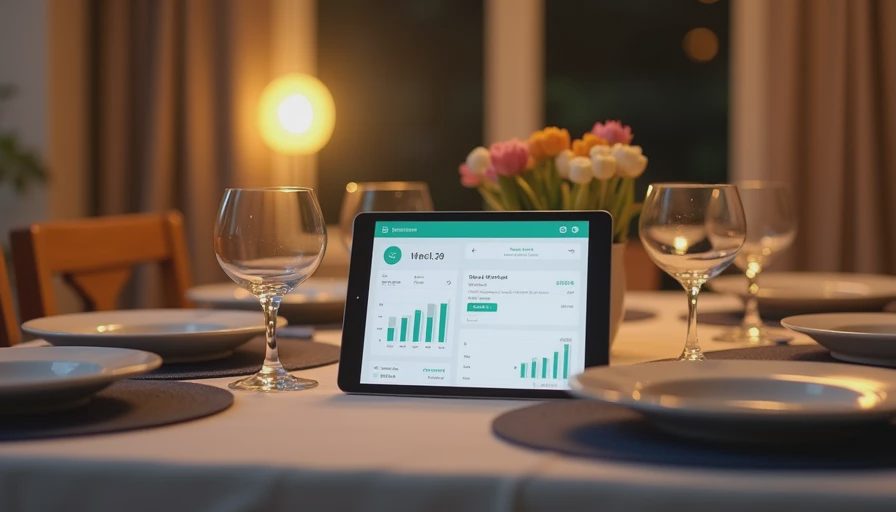
Most households open the utility bill, wince or shrug, and file it. In our house the arrival of the monthly statement triggers a short, standing ritual: the nerd-wall review at dinner. I bring the laptop or the tablet. Taryn refills her glass. The kids groan on schedule. We spend ten to fifteen minutes looking at what the house actually did last month, then we put the data away and finish the meal like normal people.
March is a useful month for this exercise. Heating loads are falling, cooling has not yet started, solar production is climbing, and the time-of-use patterns are easy to see without extreme weather dominating the picture. This post is the public version of that March review—what the numbers said, what we noticed, and why the family dinner tradition has survived longer than some of the automations.
Your house should work for you, not the other way around. Looking at the bill together is one of the simpler ways to keep that statement honest.
What We Actually Put on the Table
The review is deliberately lightweight. We look at four things:
Total energy and cost compared with the same month the previous year (weather-adjusted when possible).
The split between on-peak and off-peak under the Idaho Power time-of-use plan.
The largest circuit-level contributors that still surprise us.
One concrete observation or small change for the coming month.
We do not turn dinner into a project meeting. We do not chase every kilowatt-hour. The goal is shared visibility, not optimization theater.
The March Numbers in Plain Language
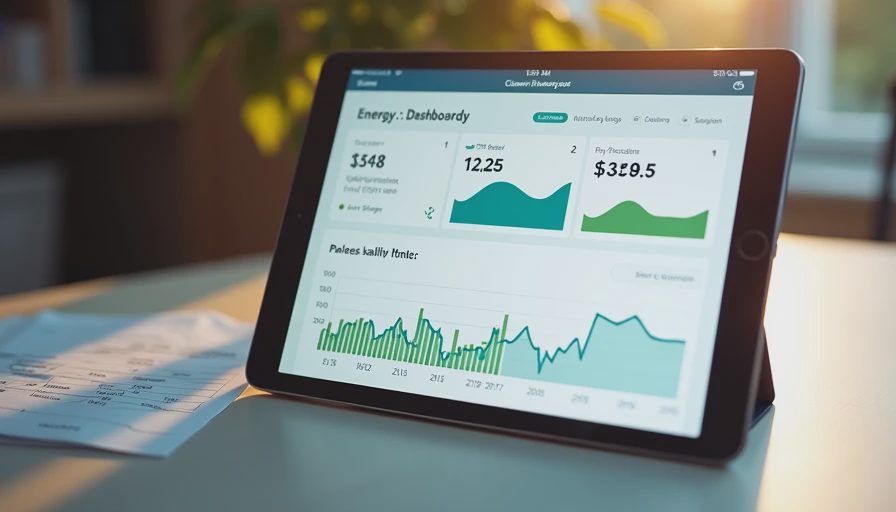
Total consumption sat comfortably below the pre-heat-pump, pre-solar, pre-sealing baseline for a comparable March. The heat pump handled the remaining cold snaps without drama. Solar production was already offsetting a meaningful daytime portion of the load; the net import number continues to shrink as the days lengthen.
The time-of-use split remained favorable. Most of the flexible loads—dishwasher, laundry, water-heater recovery—stayed out of the peak window. The unavoidable evening cooking and lighting loads still appeared where they always do; we simply accept them.
Circuit-level data highlighted the usual steady citizens: the network rack, the refrigeration, and the baseline standby loads. Nothing new had appeared. A small uptick in one circuit turned out to be a space heater the kids had quietly claimed for a cold bedroom; it was retired the next day.
The bill itself was unremarkable in the best way. No spikes, no mysteries, no “what did we leave on” conversations. That is the quiet victory of the preceding upgrades.
Why the Ritual Works for This Family
The kids have learned that energy is not abstract. They can point to the dishwasher running after 7 p.m. and understand why. They can see solar bars climbing on a clear day. They still complain about the “nerd wall,” but they also notice when something looks different.
Taryn tolerates the review because it stays short and because it occasionally surfaces a decision that makes daily life easier rather than more complicated. When the data suggests a change, we talk about it in ordinary language, not in entity names.
For me the value is calibration. Monthly data prevents both complacency and over-reaction. A single high bill is weather or a one-time event until the trend says otherwise. A steadily improving bill is evidence that the previous work is still paying off.
The Small Rules That Keep It from Becoming a Lecture
Ten to fifteen minutes maximum.
One laptop or tablet, not a full dashboard parade.
No new projects announced at the table unless everyone is already interested.
Celebrate the boring months. An uneventful bill is a success.
Let the kids leave the table when the review is over; forced attention breeds resistance.
The tradition has survived because it is lightweight and because the underlying systems have become reliable enough that the review is usually good news or neutral news. If every month were a crisis, the ritual would have died in the first winter.
What March Suggested for the Months Ahead
Nothing dramatic. Keep the existing load-shifting automations. Watch the first hot days for cooling behavior. Schedule the next round of filter changes before smoke season. Continue the same short monthly look at the numbers.
The house is quieter than it was three years ago. The bills are clearer. The dinner-table review has become less about diagnosing problems and more about confirming that the systems are still doing their jobs.
Your house should work for you, not the other way around. Once a month we check the scoreboard together, then we put it away and finish dinner. That balance is what makes the tradition worth keeping.


Letters
No letters yet — be the first to write.