Most home energy efficiency tips start with a shopping list: smart thermostat, solar panels, heat pump, and maybe a new appliance. I prefer starting with the utility bill and a $30 plug-in power meter. In my 2003 Boise house, the biggest early savings came from finding where energy was escaping, not buying another connected gadget. The goal is a comfortable home that uses less energy automatically, with upgrades that make financial sense over the next two to five years.
Start with an energy baseline
Before changing anything, collect 12 months of electric and gas bills if you can. Record total usage, not just the dollar amount, because rates change. Then write down the age of your furnace, water heater, refrigerator, windows, and insulation. A cheap indoor thermometer in each bedroom can reveal comfort problems that a whole-house average hides.
My first useful measurement was circuit-level monitoring on the furnace, water heater, and kitchen circuits. A clamp sensor showed that our older electric resistance backup heat was drawing several kilowatts during cold mornings. The thermostat looked normal; the electrical data told a different story. You do not need a server rack to do this. A utility portal, smart plug, or one-time energy audit can provide enough information to choose the next project.
A professional audit often costs roughly $200 to $600, depending on the testing included. Ask whether the auditor performs a blower-door test. That test depressurizes the house so the technician can locate air leaks around attic hatches, plumbing penetrations, recessed lights, and doors. It turns vague advice into a repair map.
Seal air leaks before buying bigger equipment
Air sealing is among the highest-value home energy efficiency tips because it improves comfort and helps every heating and cooling system run less. Warm air escaping through the attic is not merely a minor draft; it can pull replacement air through crawl spaces, wall cavities, and gaps around wiring.
Use caulk for small stationary gaps and appropriate foam or sealant for larger penetrations. Focus on the attic hatch, top plates, duct penetrations, plumbing stacks, chimney framing, and the rim joist above the foundation. Do not bury unapproved electrical connections or cover heat-producing fixtures with insulation. When in doubt, have an electrician or insulation contractor inspect the detail first.
My first attic sealing attempt looked excellent from the hallway and missed the biggest leak: the folding attic stair. A weatherstrip kit and a lightweight insulated cover made a noticeable difference in the upstairs bedrooms. The lesson was simple: visible improvements are not always important improvements.
After air sealing, add insulation where the house needs it. Attic insulation is usually easier and less disruptive than opening walls. In a cold climate, target the level recommended for your region rather than blindly adding material. Keep soffit vents open with baffles so insulation does not block roof ventilation, and maintain safe clearances around flues and recessed fixtures.
Make heating and cooling boring
A heat pump is an air conditioner that can run backward. It moves heat instead of creating it directly, which can use less electricity than resistance heating. Modern cold-climate models can work well in freezing weather, but sizing and installation quality matter more than a glossy efficiency label.
Do not replace a functioning furnace solely because heat pumps are fashionable. Compare the equipment cost, electrical work, backup plan, fuel prices, and expected runtime. A ducted heat pump may be the cleanest choice for an existing forced-air system. Ductless mini-splits can be effective for additions, workshops, and rooms with poor duct access, but several indoor heads can cost more than expected.
Before signing a contract, request a load calculation rather than accepting a replacement quote based on the old unit's size. Oversized equipment cycles frequently, produces uneven comfort, and can struggle with humidity control. A properly sized system may run longer while using less energy and maintaining steadier temperatures.
The thermostat is useful, but it is not magic. A schedule that allows a six-degree setback can trigger expensive backup heat or a long recovery period. I now use a modest setback and an automation that temporarily limits aggressive recovery when outdoor temperatures are low. Comfort improved, and the dashboard showed fewer high-power spikes.
Reduce water-heating and appliance waste
Water heating is a major energy load in many homes. Lowering the temperature slightly, insulating accessible hot-water pipes, and fixing a dripping hot-water faucet are inexpensive first steps. A heat pump water heater can deliver substantial efficiency gains, but it needs enough room for airflow and produces cool exhaust air. Installing one in a tiny closet can create comfort and noise problems.
Choose the right size for actual household use. A family that takes short showers may not need the largest tank, while a home with teenagers, a soaking tub, or frequent laundry needs more recovery capacity. Many models can operate in a hybrid mode, using the heat pump for normal demand and electric elements during heavier periods.
For refrigerators, freezers, dehumidifiers, and entertainment equipment, measure before replacing. A ten-year-old refrigerator that consumes $90 annually is not automatically worth replacing with a $1,500 model. On the other hand, an old basement freezer drawing power continuously can be an excellent repair or replacement target. These comparisons are the home energy efficiency tips that prevent spending $2,000 to save $40 per year.
Add smart controls only where they solve a problem
Smart technology is valuable when it closes a feedback loop. A connected thermostat can adjust settings based on occupancy, but a temperature sensor in a drafty hallway may make the system chase a false reading. A smart plug can reveal a wasteful dehumidifier, but automating every lamp does not transform the energy profile of a house.
I use Home Assistant to combine utility data, outdoor temperature, and circuit monitors. One automation delays the heat pump water heater until midday when our rooftop solar is producing. Another alerts me when the garage refrigerator runs continuously. The alerts are more useful than remote control because they identify a fault before it becomes a monthly habit.
Select devices that continue basic operation if the internet disappears. Local control, standard protocols, and accessible data matter more to me than a colorful app. Your house should work for you, not the other way around.
Plan solar and rebates after the basics
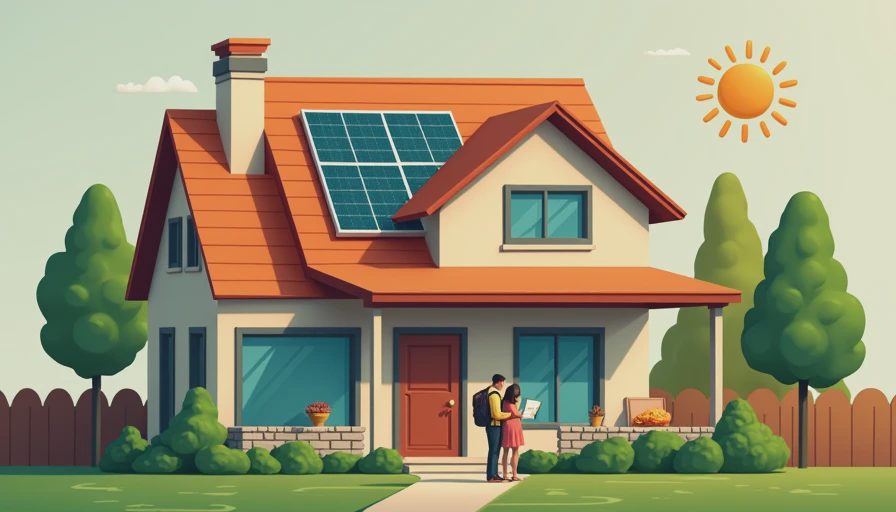
Solar can be a strong long-term project, but it should not be used to hide an inefficient house. If insulation is poor and the HVAC system is oversized, you may install extra panels to compensate for avoidable consumption. Complete air sealing, insulation, and major equipment decisions first, then review a full year of usage.
Get several proposals and compare system size, estimated annual production, inverter type, roof work, warranties, and financing cost. A cash price and a financed price can tell very different stories. Also check current federal, state, and utility incentives through official sources because eligibility and deadlines change. Do not assume every advertised rebate applies to your address or equipment.
For a practical sequence, start with bills and measurements, seal the attic and obvious leaks, improve insulation, service or replace HVAC equipment, address water heating, and only then add smart controls or solar. This order protects the budget while improving comfort at every stage. These home energy efficiency tips are not about chasing a perfect dashboard; they are about making the next decision with better data.



Letters
No letters yet — be the first to write.