If you have searched how can i make my home more energy efficient, you are probably looking at a utility bill that feels too high and a house that still has cold rooms. I know the feeling. My 2003 Boise house is a 2,400-square-foot laboratory where every upgrade gets measured against the bill, indoor temperature, and family tolerance for construction dust. The practical answer is not to buy every smart gadget or cover the roof with solar panels. Start by finding where energy goes, then improve the building before upgrading the technology.
Start With Measurements, Not Marketing
The first step in figuring out how can i make my home more energy efficient is establishing a baseline. Collect twelve months of electric and gas bills if you have them. Record the square footage, heating fuel, thermostat settings, and major equipment ages. A smart meter portal can show daily use, while a plug-in energy monitor can reveal what a freezer, gaming computer, or dehumidifier actually consumes.
Look for patterns. A large winter spike points toward heating, air leakage, insulation, or duct problems. A summer spike may involve air conditioning, a pool pump, or an electric water heater. A steady overnight load often comes from refrigerators, networking equipment, standby electronics, and circulation pumps. I use circuit-level monitoring on my own panel and send the data to a Grafana dashboard called HouseOS. You do not need that setup; a spreadsheet and fifteen-minute meter readings can still expose waste.
An energy audit is the next useful investment. A professional auditor can use an infrared camera, blower door, and combustion-safety tests to identify leakage and safety concerns. Expect roughly $200 to $600 for a basic audit, depending on location and scope. That cost is easier to justify than spending $3,000 on insulation based on a guess.
Seal and Insulate Before Buying Bigger Equipment
Air sealing is usually less glamorous than solar, but it can improve comfort quickly. Warm air escaping through attic penetrations, recessed lights, plumbing openings, and top plates pulls replacement air through cracks around windows and floors. Foam or caulk can address small openings, while larger attic gaps may need rigid material and careful sealing.
Insulation slows heat transfer; it does not stop air movement. That distinction matters. Adding more blown insulation over a leaky attic hatch will not fix the draft around the hatch. Seal first, then bring insulation to the recommended depth for your climate. Also inspect ductwork in unconditioned attics or crawl spaces. A disconnected or poorly sealed supply duct can waste a surprising amount of heating and cooling energy before air reaches the room.
In my house, attic air sealing made the upstairs less dusty and reduced temperature swings before it produced a dramatic bill change. That is still a win. Comfort is a useful metric because a house that holds temperature lets you adjust the thermostat without making everyone miserable. If you hire this work out, ask for photos, material descriptions, and an explanation of what was sealed rather than accepting a vague promise of “more insulation.”
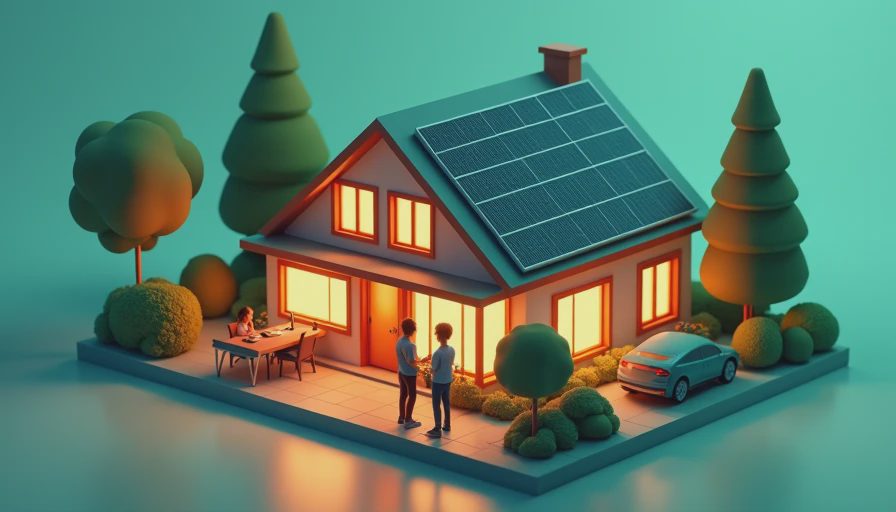
Windows deserve realistic expectations. Replacing old, damaged windows can improve comfort and reduce drafts, but replacing functional double-pane windows purely for energy savings often has a long payback. Weatherstripping, interior shades, exterior shading, and sealing trim may deliver better value first. Your answer to how can i make my home more energy efficient should include the cheapest effective repair, not automatically the most visible upgrade.
Choose Heating and Water Heating Carefully
Heating and cooling often dominate household energy use. A heat pump is essentially an air conditioner that can run backward, moving heat instead of creating it directly. Modern cold-climate models can work well in many northern areas, but sizing and installation quality matter more than a flashy efficiency number. An oversized system may cycle frequently, create uneven comfort, and fail to dehumidify properly.
Get a load calculation rather than matching the replacement to the old furnace size. Ask whether the contractor will evaluate ducts, electrical capacity, backup heat, and low-temperature performance. In Boise, I pay attention to winter operation and defrost behavior, not just the brochure rating. A properly installed heat pump can reduce fossil-fuel use and provide efficient cooling, but the financial result depends on local electric and gas rates.
For water heating, a heat pump water heater can use substantially less electricity than a conventional electric resistance tank, especially in a suitable basement or utility room. It does make some fan noise and cools the surrounding space, so location matters. Set expectations with the household before installation. My family accepts the gentle hum because the circuit data shows the heater no longer runs like a giant toaster for every recovery cycle.
Add Controls That Solve a Specific Problem
Smart technology helps when it changes behavior automatically. A programmable thermostat can reduce heating and cooling during predictable absences. Room sensors can identify an upstairs bedroom that runs five degrees warmer. Leak sensors can prevent water damage, and a circuit monitor can show whether an appliance is using energy when nobody thinks it is running.
The mistake is buying devices before defining the problem. I once installed a temperature sensor in a hallway because it was easy to wire into Home Assistant. It produced beautiful graphs and changed nothing. The better project was automating the bath fan based on humidity, because it reduced lingering moisture without leaving the fan running all day.
When considering how can i make my home more energy efficient with automation, favor local control, clear failure behavior, and simple overrides. A thermostat should still work if the internet disappears. Automations should not turn off a refrigerator or medical device. Label circuits, protect credentials, and review alerts weekly until you know the system is trustworthy.

Consider Solar After Reducing Waste
Solar can be a strong long-term option, but it should not be the first answer to every high bill. A large system installed before efficiency work may produce electricity that hides waste rather than fixing it. First reduce heating demand, repair obvious equipment problems, and understand your utility's rates, export rules, and fixed charges.
Get several written proposals that show system size, estimated annual production, equipment warranties, inverter type, roof assumptions, and total cash price. Compare financing separately from the equipment. A low monthly payment can obscure a high total cost. Battery storage is useful for backup and load shifting, but it is not automatically the best financial upgrade in every home.
Rebates and tax incentives can change the math, but eligibility rules and deadlines matter. Treat them as part of the calculation, not guaranteed money. Your installer should identify who claims each incentive and when. Never let a salesperson rush you into signing because a rebate “expires tonight.”
A Practical Two-Year Upgrade Order
If you are still asking how can i make my home more energy efficient, use this sequence. During the first month, gather bills, inspect filters, seal obvious drafts, and schedule an audit. Over the next six months, address attic and duct leakage, tune or replace failing equipment, and add a programmable thermostat. In year two, evaluate a heat pump water heater, electrical upgrades, or solar using actual consumption data.
Measure after each project. Compare weather-adjusted energy use when possible, but also track indoor temperature, run time, and comfort complaints. A $40 weatherstrip that stops a draft can be more satisfying than a $20,000 project with uncertain savings. Your house should work for you, not the other way around.



Letters
No letters yet — be the first to write.