Energy efficient homes are not built by buying every device with a Wi-Fi logo. They come from reducing waste first, then adding equipment and automation that can be measured. I learned that in my 2003 Boise subdivision house, where a heat pump, air sealing, circuit monitoring, and better controls changed both our comfort and our utility bills. The useful question is not “What is the greenest upgrade?” It is “What problem is costing this house money right now?”
Start with a Home Energy Baseline
Before spending $15,000 on solar panels or replacing a perfectly functional furnace, collect twelve months of electric and gas bills. Put the numbers in a spreadsheet, normalize them by month, and note unusual events such as a vacant house, a cold snap, or a new electric vehicle. A cheap plug-in meter can reveal that a basement freezer uses $8 to $15 of electricity monthly, while an old garage refrigerator might cost considerably more.
I also recommend a blower-door test from a qualified energy auditor. The test depressurizes the house and helps locate leaks around attic hatches, recessed lights, plumbing penetrations, and window trim. In my house, the largest surprise was not a dramatic hole in the wall. It was a collection of small leaks around the top plates and duct boots. Sealing them cost less than $600 in materials and labor, yet the upstairs stopped feeling like a different climate zone.
Energy efficient homes usually begin with boring improvements because insulation and air sealing work every hour, whether the homeowner remembers to open an app or not. Record indoor temperature, humidity, and equipment runtime before changing anything. That gives you a before picture instead of relying on memory.

Put Insulation and Air Sealing Before Bigger Equipment
Insulation slows heat movement; air sealing stops uncontrolled air movement. They are related, but they are not interchangeable. Adding more fiberglass over an attic full of bypasses can leave the house drafty while making the contractor’s invoice look impressive. Seal penetrations first, then bring insulation to the recommended depth for your climate zone.
For a typical 2,000- to 2,500-square-foot home, attic air sealing and insulation can run roughly $2,000 to $6,000, depending on access and existing conditions. Basement rim-joist work may add $800 to $2,500. These ranges are broad because a clean, open attic is a completely different job from one filled with stored boxes, old wiring, and questionable DIY platforms.
My first attempt used too much spray foam in a tight corner and blocked access to a junction box. An electrician had to correct it later. The lesson was simple: energy work still has to respect electrical access, combustion safety, and building code. In energy efficient homes, every improvement should solve a problem without creating a maintenance problem six months later.
Choose Heating and Cooling Equipment Carefully
A heat pump is an air conditioner that can run in reverse. In cooling mode, it moves heat out of the house. In heating mode, it moves heat inside. Modern cold-climate models can work well below freezing, but sizing, ductwork, defrost behavior, and backup heat settings matter more than a glossy efficiency label.
Replacing an aging gas furnace and central air system with a ducted heat pump can cost about $9,000 to $18,000 before incentives. A ductless mini-split may cost $4,000 to $12,000 for one or two zones. The right comparison is annual operating cost plus repair and replacement risk, not the sticker price alone. Get a load calculation rather than allowing a contractor to size the replacement from the old unit’s nameplate.
Our heat pump reduced gas use substantially, but the first controls setup was wrong. The auxiliary heat engaged too aggressively during a cold week, wiping out some expected savings. I changed the balance point and added runtime monitoring in Home Assistant. That turned a vague feeling of “it seems expensive” into a graph showing exactly when backup heat was running. Energy efficient homes need controls that are configured for the actual house, not factory defaults.
Use Smart Technology Where It Answers a Question
Smart thermostats are useful when they solve an observable problem. They can reduce heating or cooling during predictable absences, remind you about an overdue filter, and show runtime trends. They cannot compensate for a leaky duct system or an oversized heat pump. A $180 thermostat attached to poor air distribution is still attached to poor air distribution.
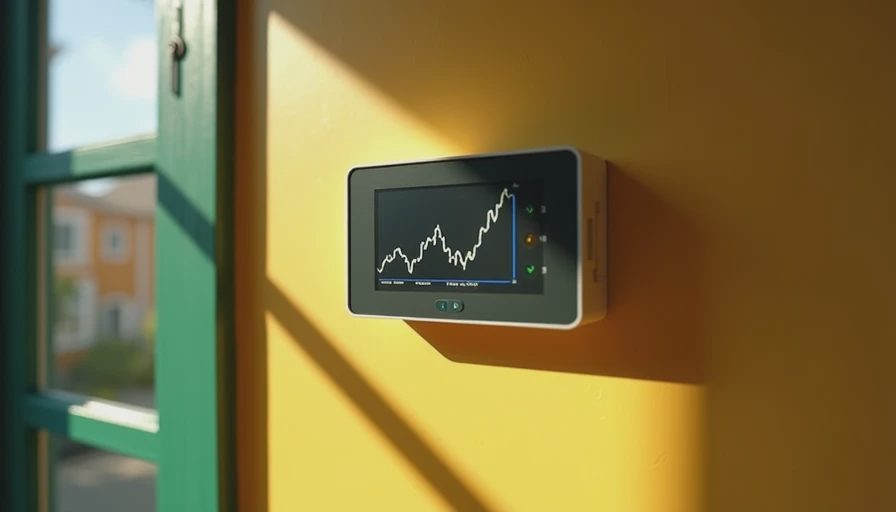
Circuit-level monitoring is more revealing. Current clamps on the water heater, HVAC equipment, range, and EV charger can show which loads dominate the bill. My “HouseOS” Grafana dashboard exposed a garage fermentation chamber that was cycling far more often than expected. The fix was not a new automation; it was replacing a worn door gasket and improving the chamber’s insulation.
When building energy efficient homes, avoid locking the whole project to one brand ecosystem. Matter-compatible devices, local control, and documented integrations are more important to me than a clever marketing feature. A smart plug should still perform its basic job if the internet is down. Your house should work for you, not the other way around.
Consider Solar, Batteries, and Electrification in That Order
Solar makes the most sense after efficiency work has reduced the home’s demand. Otherwise, you are buying panels to cover waste that could have been removed with caulk, insulation, or a better appliance. A residential solar installation commonly falls somewhere around $15,000 to $35,000 before incentives, depending on system size, roof complexity, electrical work, and local labor.
Battery storage is a separate decision. It can provide backup power and shift solar energy into evening hours, but it often has a longer payback than efficiency improvements. If outages are rare and your utility offers limited time-of-use pricing, a battery may be more about resilience than monthly savings. Be honest about that distinction before signing a contract.
A heat pump water heater can be a strong middle step. Typical installed costs range from $2,000 to $5,000, with rebates sometimes lowering the initial price. It needs adequate space and airflow, and it produces cool exhaust air. In our utility room, that cooling was helpful in summer but unwelcome during winter, so placement mattered. The best energy efficient homes treat equipment as part of a system, not isolated products.
Build a Five-Year Upgrade Sequence
Year one should focus on measurement, safety repairs, duct sealing, air sealing, and insulation. Year two might address an aging water heater or HVAC system. Year three can add smart monitoring, appliance replacements, or a service-panel upgrade if the electrical load requires it. Solar belongs wherever the roof, budget, and local incentives make the numbers reasonable, not automatically at the beginning.
Get at least three detailed bids for major work. Ask each contractor what assumptions are included, whether permits are covered, how commissioning will be documented, and what happens if the existing panel or ductwork needs correction. A low bid that excludes electrical upgrades is not actually low.
The payoff is more than a smaller bill. Good insulation makes rooms quieter. A properly sized heat pump delivers steadier temperatures. Monitoring turns mysterious usage into actionable information. That is why energy efficient homes are worth pursuing even when a project’s simple payback is not perfect. Start with the measured problem, fix the building envelope, select equipment carefully, and automate only what improves daily life.



Letters
No letters yet — be the first to write.