The best answer to how to make your home more energy efficient is not “buy every smart gadget and cover the roof with solar panels.” Start with measurements, fix the building envelope, then replace equipment that is genuinely wasting energy. That approach is less exciting than a showroom heat pump, but it produces better comfort and more predictable savings.
My 2003 Boise house is a useful example. It is a 2,400-square-foot builder-grade home with ordinary windows, forced-air heating, and the kind of insulation that looked adequate on a sales brochure. Before I started tracking circuits, our electricity and natural gas costs swung wildly with the weather. The first improvements were air sealing, better thermostat control, and duct repairs. They cost less than a major equipment replacement and made every later upgrade work better.
Start with a baseline, not a shopping list
Before deciding how to make your home more energy efficient, collect twelve months of utility bills if you can. Record electricity use in kilowatt-hours, gas use in therms, billing dates, and unusually hot or cold months. A spreadsheet is enough. A smart meter dashboard is helpful, but it is not required.
Next, inspect the obvious loads. An electric water heater, old refrigerator, chest freezer, resistance space heater, pool pump, or detached workshop can quietly dominate a bill. Plug-in watt meters cost roughly $15 to $30 and can reveal whether a device draws power continuously or only during a short cycle. For larger circuits, an electrician can install a temporary clamp meter or circuit monitor.
Also walk through the house on a windy or cold day. Feel around exterior doors, attic hatches, plumbing penetrations, recessed lights, and electrical outlets on outside walls. A $300 to $600 professional energy audit can add an infrared camera, blower-door testing, and a prioritized report. The report is valuable because it tells you whether your problem is missing insulation, uncontrolled air movement, inefficient equipment, or all three.
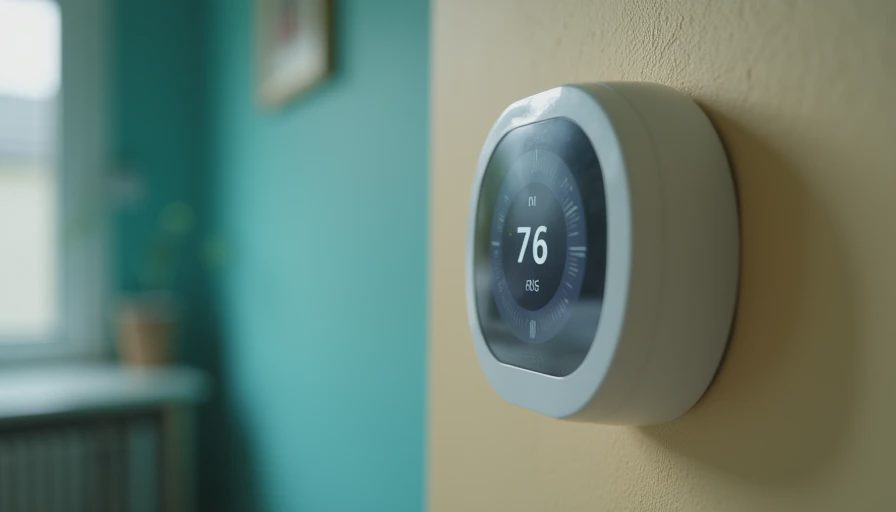
Fix air leaks and insulation before buying equipment
Air sealing is usually the least glamorous answer to how to make your home more energy efficient, but it is often the highest-value first project. Warm air escaping through the attic acts like money leaving through an open window. Use caulk for small stationary gaps and appropriate foam or sealed fittings around larger penetrations. Weatherstrip moving doors and seal the attic access panel with gasket material.
Do not blindly add insulation over recessed lights, bathroom fans, or old wiring. Some fixtures require clearance, and bathroom exhaust ducts should terminate outdoors rather than dumping damp air into the attic. In many houses, the practical sequence is to seal the attic floor first, then add blown cellulose or fiberglass to the target depth. A contractor may charge $1,500 to $4,000 for attic air sealing and insulation, depending on access and size.
Basement rim joists and crawlspaces deserve attention too. Rigid foam sealed at the edges can reduce drafts, while exposed ducts should be sealed with mastic rather than ordinary cloth duct tape. These measures improve comfort in the room above and reduce the workload on heating and cooling equipment.
Choose heating and cooling based on the load
A heat pump is an air conditioner that can run in reverse. It moves heat instead of creating it directly, so a properly sized unit can deliver more heat per unit of electricity than electric resistance heating. But “bigger” is not automatically better. Oversized equipment cycles frequently, controls humidity poorly, and may cost more without improving comfort.
Ask for a room-by-room load calculation before replacing a furnace or air conditioner. The contractor should discuss duct condition, electrical capacity, backup heat, cold-weather performance, and thermostat placement. A ducted heat pump can be a straightforward replacement in an existing forced-air home. Ductless mini-splits are useful for additions, garages, or rooms that never stay comfortable, though several indoor heads can increase installation and maintenance complexity.
A quality heat pump project can run from about $6,000 to $15,000 before incentives, with premium cold-climate systems costing more. Available federal, state, or utility incentives can change the payback significantly. Do not count an incentive until you confirm eligibility, required efficiency ratings, and whether installation must be completed by a participating contractor.
Reduce hot-water and appliance waste
Water heating is often the second-largest energy use in a home. A heat pump water heater can cut electricity consumption compared with a standard electric tank, but it needs adequate air volume and produces a small amount of cool exhaust air. In my utility closet, the first location was too cramped; the unit ran longer than expected and cooled the surrounding space. Moving it to a larger area solved the problem.
Typical installed costs range from roughly $2,000 to $4,500 before incentives. Set realistic expectations: recovery is slower in some operating modes, and a family may need a larger tank than a couple. Insulate accessible hot-water pipes, repair dripping faucets, and avoid recirculation pumps that run continuously unless the schedule is tightly controlled.
When replacing appliances, look at annual energy consumption rather than the sticker alone. An efficient refrigerator that costs $1,200 is not a bargain if your current model already uses little power and works reliably. A failing 20-year-old freezer, on the other hand, can justify replacement quickly. Buy efficiency where the old equipment has a measurable appetite, not where marketing makes the upgrade feel urgent.
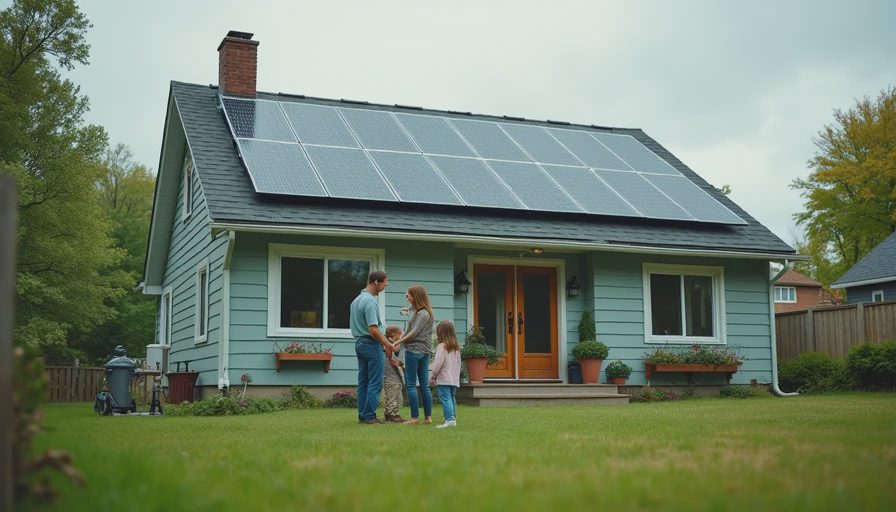
Add smart controls that solve a specific problem
Smart technology helps most when it changes behavior automatically. A programmable thermostat can reduce heating or cooling while the house is empty, then restore comfort before everyone returns. Smart plugs can schedule holiday lighting, aquarium equipment, or a garage heater, but avoid using inexpensive plugs for loads that exceed their ratings.
For a deeper setup, circuit-level monitoring can show when the water heater, dryer, or HVAC system is running. I use Home Assistant with a Grafana dashboard called HouseOS. The dashboard is not magic; it is a flashlight. It helped me find that a garage freezer was cycling far more than expected and that our basement dehumidifier was running during cool, dry weather.
Automations should be understandable when they fail. A thermostat schedule that nobody can override becomes a family argument. A load-control rule that delays the dryer until solar production rises is useful only if it does not create a pile of damp laundry. Your house should work for you, not the other way around.
Solar comes after efficiency
Solar can be an excellent long-term investment, especially when roof orientation, shading, utility rates, and financing all cooperate. It is not the first answer to how to make your home more energy efficient because panels do not stop heat loss, reduce duct leakage, or fix an oversized air conditioner. First lower the load, then size the solar array using actual post-upgrade consumption.
Get multiple proposals and compare system size, estimated annual production, inverter type, warranty terms, roof work, and cash price. Be cautious with proposals that promise a guaranteed bill elimination without explaining fixed utility charges or seasonal production. Batteries can provide backup power and shift consumption, but they often add substantial cost. Treat resilience and financial payback as separate goals.
A practical upgrade order
If you want a simple roadmap, begin with utility records and an audit. Seal attic, crawlspace, basement, and duct leaks. Correct insulation problems. Tune or replace the thermostat. Repair failing ductwork and service existing HVAC equipment. Replace inefficient water heating or appliances when the numbers support it. Add monitoring and automation after you know what the data means. Consider a heat pump, solar, or battery only after the home’s load is under control.
That sequence answers how to make your home more energy efficient without turning the project into a lifestyle contest. Some upgrades will pay back quickly; others will mainly improve comfort, air quality, or backup capability. Track each change for at least several billing cycles, account for weather, and keep the invoices. The goal is not a perfect dashboard. It is a quieter, more comfortable house with bills that make sense.


Letters
No letters yet — be the first to write.