When I started researching energy efficient home plans, I expected a blueprint problem. I quickly learned it was mostly a sequencing problem. The best design on paper still underperforms if the attic leaks air, the ductwork sits in an unconditioned crawlspace, or the electrical panel cannot handle a heat pump and future electric vehicle charger. A good plan connects the shell, equipment, wiring, and controls before anyone starts buying hardware.
My 2003 Boise subdivision house is not a model of perfect construction. It is a 2,400-square-foot test lab with builder-grade windows, a gas furnace, and a family that wants comfortable rooms rather than a science experiment. That makes the lessons useful. Whether you are building new or improving an existing house, energy efficient home plans should begin with measured loads and a realistic budget, not a shopping list of solar panels and smart thermostats.
Start with the building envelope
The envelope is the roof, walls, windows, doors, and floor separating your living space from outdoor air. Think of it as the case around a computer: efficient components inside cannot compensate for a cracked case that constantly loses heat. Before choosing equipment, arrange an energy audit or blower-door test. A professional audit often costs roughly $250 to $600, depending on the home and local market, and can reveal leakage that a visual inspection misses.
Prioritize attic air sealing, insulation depth, duct sealing, and obvious gaps around plumbing and wiring. In many homes, attic work produces a better return than replacing perfectly functional windows. A contractor might charge $1,500 to $4,000 for targeted air sealing and additional insulation, while a full window replacement can reach $15,000 or more. The less heat your house loses, the smaller and less expensive your heating and cooling equipment can be.
For new construction, draw the air-control layer on the plans and require the builder to identify where it connects at corners, wall penetrations, and attic transitions. For a retrofit, photograph every repair before drywall covers it. I learned this after sealing one section of my attic and discovering that a cable chase bypassed the work entirely.

Size heating and cooling from actual loads
A furnace or heat pump should be selected from a room-by-room load calculation, commonly called a Manual J calculation. Square footage alone is not enough. Two 2,000-square-foot houses can need very different equipment because of orientation, window area, insulation, air leakage, and local weather.
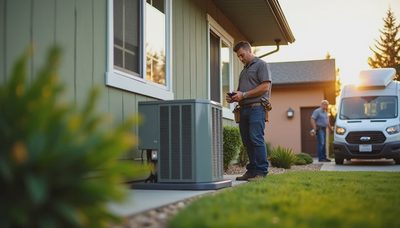
A heat pump is simply an air conditioner that can run in reverse. Modern cold-climate models can provide useful heat below freezing, but performance depends on installation quality, airflow, thermostat settings, and backup heat strategy. A ducted heat pump may cost $8,000 to $16,000 installed before incentives, while a ductless system can vary widely depending on the number of indoor heads and electrical work.
Avoid oversized equipment. A giant system reaches its temperature setting quickly, shuts off, and repeats that cycle. You get uneven rooms, poor humidity control, and unnecessary wear. Energy efficient home plans treat comfort as a design measurement: stable temperatures and quiet operation matter just as much as the nameplate efficiency rating.
Design the electrical system before adding technology
Electrification changes the panel calculation. A heat pump water heater, induction range, clothes dryer, electric vehicle charger, and heat pump may all compete for capacity. That does not automatically mean a costly panel replacement, but it does mean an electrician should evaluate the service, breaker spaces, conductor size, and actual load before installation.
In my own house, I initially focused on adding monitoring clamps and ignored the messy routing inside the panel. The monitoring worked, but the installation was harder to service than it needed to be. A clean electrical plan labels every circuit, leaves room for future equipment, and places shutoffs where a technician can reach them without dismantling half the system.
Smart load management can sometimes delay or avoid an upgrade. For example, software can pause an EV charger while the heat pump water heater runs, then resume charging overnight. That is not magic and it is not a substitute for code-compliant electrical work. It is a traffic controller for household electricity, useful when designed around real circuit limits.

Add solar only after reducing waste
Solar is easier to evaluate after insulation, air sealing, and efficient equipment have reduced consumption. Otherwise, you can spend thousands of dollars generating electricity that disappears through an attic hatch or an inefficient cooling system. Energy efficient home plans put conservation first, then size solar from twelve months of utility data and the expected future load.
A typical residential solar project can cost tens of thousands of dollars before incentives, with the final price shaped by roof complexity, equipment, financing, and local labor. Compare the cash price, loan interest, expected production, utility compensation rules, and maintenance assumptions. Batteries are useful for backup and shifting energy use, but they are not automatically the best financial choice for every household.
If your roof needs replacement soon, solve that first. Removing and reinstalling panels later adds labor and scheduling risk. Also check tree growth, roof orientation, service capacity, and whether a future electric vehicle will materially increase annual consumption.
Use automation to make savings automatic
The most valuable smart-home feature is often boring. A temperature sensor that reveals a cold bedroom, a circuit monitor that catches a water-heater schedule, or an alert for an unusually long HVAC run can lead to a practical repair. I use Home Assistant with a Grafana dashboard called HouseOS, but the platform matters less than having reliable data and a clear action attached to it.
Set automation rules that fail safely. A thermostat schedule should not leave pipes vulnerable during a cold snap. A smart plug should not control equipment that requires a hardwired safety disconnect. Avoid building the entire house around cloud services that can change pricing or stop working when the internet fails. Local control is especially helpful for heating, ventilation, and essential lighting.
Measure before and after. Record monthly electricity and gas use, outdoor temperatures, comfort complaints, and equipment run time. A lower bill is useful evidence, but so is a warmer office or a basement that no longer smells damp. Your house should work for you, not the other way around.
Build a phased budget and avoid common mistakes
Energy efficient home plans do not require completing every upgrade in one year. A sensible phase one might include an audit, air sealing, attic insulation, and duct repairs for $2,000 to $7,000. Phase two could address a heat pump water heater or HVAC replacement. Solar, panel work, and an EV charger can follow when the electrical and financial picture is clear.
Ask contractors for scope details rather than accepting a single efficiency number. The proposal should identify insulation levels, duct testing, equipment capacity, refrigerant line work, electrical changes, permits, startup measurements, and warranty responsibilities. Three bids are useful only when all three describe comparable work.
The common mistake is buying visible technology first. A $300 thermostat cannot fix a leaking duct. A battery cannot correct an undersized heat pump. A large solar array cannot compensate for poor envelope performance. Start with the problems that affect every future upgrade, document the results, and spend on equipment only when the numbers support it.
The goal is not a futuristic house that needs constant attention. It is a comfortable home with lower waste, predictable systems, and controls your family can understand. That is what energy efficient home plans should deliver: fewer surprises at the breaker, better information on the utility bill, and improvements that keep paying you back long after installation day.



Letters
No letters yet — be the first to write.