If you are searching for how to make my home more energy efficient, start with measurements rather than a shopping list. My 2003 Boise house is a 2,400-square-foot test lab, and the first lesson from my HouseOS dashboard was humbling: the expensive gadgets were not the biggest problem. Air leaks, old lighting, standby loads, and poorly timed heating were costing more than I realized. The best plan improves comfort first, then reduces energy use with upgrades that fit your budget.
Start with a baseline before buying anything
Pull together twelve months of electric and gas bills. Record total usage, not just the dollar amount, because rates change. A $180 winter bill does not tell you whether the house used 1,200 kilowatt-hours or 1,600. If your utility provides hourly data, download it. Otherwise, a plug-in meter such as a Kill A Watt can measure individual appliances, while a qualified electrician can install circuit-level monitoring in your panel.
Walk through the house on a cold or hot day. Feel for drafts around exterior doors, window trim, plumbing penetrations, attic hatches, and electrical outlets on outside walls. Look at the furnace filter, thermostat schedule, water heater temperature, and attic insulation depth. A professional energy audit using blower-door testing often costs roughly $200 to $600, but it can identify problems that a casual inspection misses.
My original baseline showed that the upstairs temperature swung several degrees during the day. We were adjusting the thermostat to compensate, which is like turning up a radio because one speaker is broken. The fix began with the building shell, not a smart thermostat.
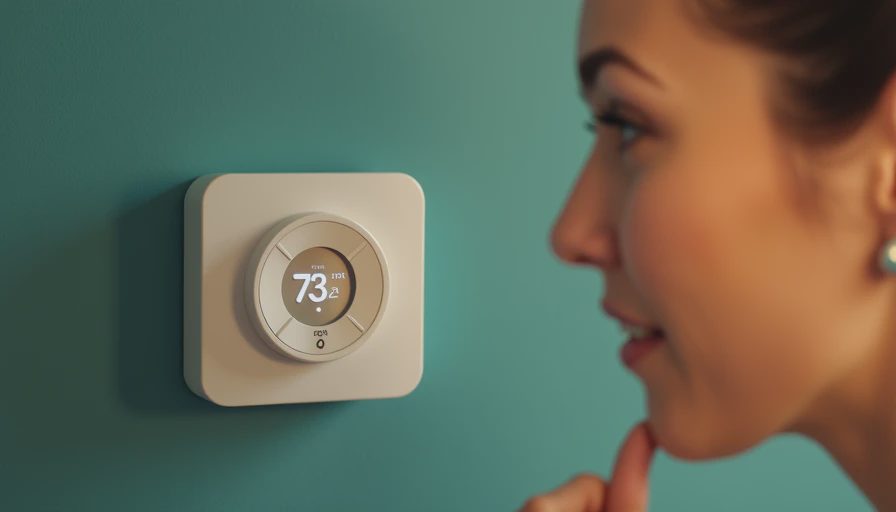
Seal the house before adding larger equipment
Air sealing is usually one of the least glamorous and most valuable projects. Use caulk for small stationary gaps and a compatible expanding foam for larger penetrations, following the product instructions. Pay attention to the attic access, recessed lights rated for insulation contact, plumbing stacks, duct openings, and the top plates where walls meet the ceiling. Do not block required combustion-air openings or seal around equipment without understanding ventilation and safety requirements.
Attic insulation is also important, but more insulation does not compensate for a leaky ceiling plane. In many homes, contractors add blown-in fiberglass or cellulose after sealing the attic floor. Depending on access and existing conditions, an attic project can range from $1,500 to $4,000. The result should be a more stable indoor temperature, fewer drafts, and less heating or cooling run time.
Weatherstripping exterior doors and replacing damaged door sweeps are inexpensive steps, often under $100 per door. Window replacement is frequently oversold. If the frames are sound, sealing gaps and adding appropriate window treatments can deliver a better return than replacing every window for $15,000 or more.
Choose heating and cooling equipment with real data
A heat pump is an air conditioner that can run backward. It moves heat instead of creating it directly, so it can provide efficient heating and cooling from one system. A properly sized cold-climate heat pump may reduce fossil-fuel use and improve summer comfort, but the installation details matter more than the brochure headline.
Do not accept a replacement quote based only on square footage. Ask for a load calculation, which estimates how much heating and cooling the house actually needs. Oversized equipment costs more, cycles poorly, and can leave rooms humid. A quality duct inspection matters too: a disconnected or crushed duct can waste much of the system's output inside an attic or crawlspace.
For a typical American home, a ducted heat pump installation might land around $8,000 to $18,000 before incentives, while a single-zone ductless system may cost less for a targeted space. Federal, state, and utility incentives change frequently, so confirm current eligibility before signing a contract. I also recommend getting at least three written bids with model numbers, labor scope, warranty terms, and electrical requirements.
Reduce water heating and appliance waste
Water heating is often the second-largest energy load in a house. A heat pump water heater can use substantially less electricity than a conventional electric resistance tank because it moves heat from the surrounding air. The tradeoff is that it needs enough room and airflow, and its operating sound should be considered near bedrooms or living areas. Installed prices commonly fall near $2,000 to $5,000, depending on plumbing and electrical work.
Lower-cost improvements still matter. Repair dripping hot-water faucets, insulate accessible hot-water pipes, and set the water heater to a safe temperature recommended by the manufacturer. A timer can reduce heating during predictable vacancy, but avoid complicated schedules that create cold-water complaints and get disabled permanently.
For appliances, focus on equipment that runs for long periods. An older refrigerator, second freezer, dehumidifier, or inefficient pool pump can create a measurable load. I found that my garage refrigerator used more electricity than expected because its door seal was failing. Replacing the seal cost far less than replacing the appliance and stopped the compressor from running nearly nonstop.
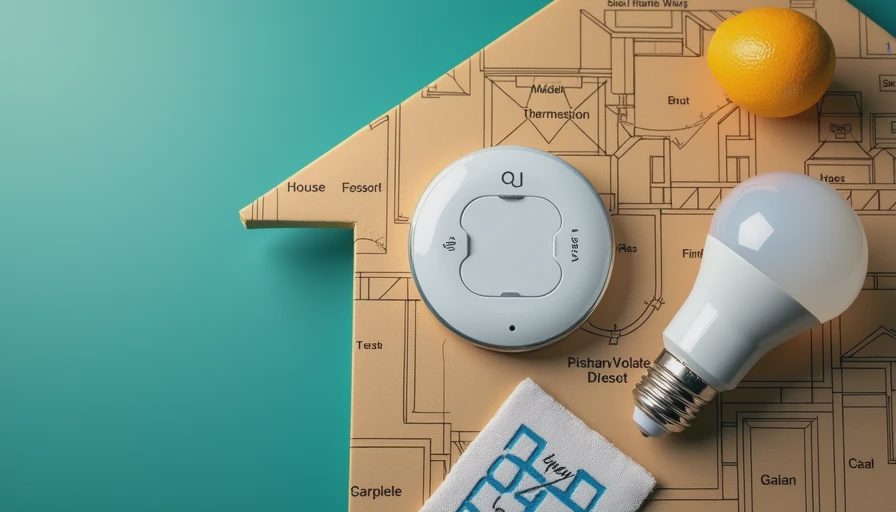
Add smart controls without creating a new hobby
Smart technology is useful when it automates a decision you already understand. A smart thermostat can follow occupancy and outdoor temperature, but it cannot fix a leaky duct. Smart plugs can reveal whether a gaming setup, office, or entertainment center uses 20 watts or 200 watts while idle. Use products with appropriate safety ratings, and never put a space heater or other high-load appliance on an unsuitable plug-in monitor.
Home Assistant became my preferred control layer because it lets me combine data from different devices without depending on one brand. I use temperature sensors to spot rooms that drift, energy clamps to see major circuits, and simple alerts when the water heater runs at an unusual time. The system is not magic. A dashboard that only displays confusing graphs is decoration, not efficiency.
Start with one automation. For example, lower the thermostat slightly when everyone leaves, then restore it before the first person returns. Compare two similar weeks rather than trusting a dramatic day-to-day change. Weather, guests, laundry, and cooking can overwhelm small savings. Good controls reduce waste quietly; they should not make the family negotiate with the house.
Build a five-year improvement sequence
The most sensible answer to how to make my home more energy efficient is usually a sequence, not one dramatic purchase. In year one, measure consumption, complete safety checks, seal obvious leaks, replace filters, and correct duct problems. In year two, improve attic insulation and address comfort complaints room by room. In year three, evaluate water heating and heating equipment using actual load data. Solar can come later, after reducing waste and understanding the roof, panel capacity, shading, and utility rules.
Keep a simple project ledger with the installed cost, incentive, estimated annual savings, and measured change after twelve months. A $300 air-sealing project that saves $150 annually is more compelling than a $20,000 upgrade with no baseline. Payback is not the only factor; comfort, reliability, emissions, and backup value count too. Still, numbers protect you from buying an impressive system that solves the wrong problem.
When someone asks me how to make my home more energy efficient, I tell them to find the largest load, the biggest leak, and the easiest behavior to automate. Then make one change and measure it. Your house should work for you, not the other way around.



Letters
No letters yet — be the first to write.