When I started upgrading my 2003 Boise subdivision house, I expected the biggest wins to come from solar panels and a clever app. The data told a different story. Energy-efficient home technology works best when it follows a simple order: reduce waste, measure what remains, then automate the equipment that uses power. In my house, air sealing and better controls improved comfort before a single panel went on the roof.
The goal is not to turn your home into a gadget showroom. It is to make heating, cooling, water heating, and electricity use easier to understand. Your house should work for you, not the other way around. Here is where I would spend money first, what I would measure, and where the payback can get surprisingly slow.
Start with the building before the gadgets
The least exciting upgrade is often the most valuable. Air leaks around attic hatches, plumbing penetrations, recessed lights, windows, and rim joists can make a furnace or heat pump run far longer than necessary. Adding attic insulation helps too, but insulation cannot stop moving air by itself. Think of insulation as a sweater and air sealing as zipping up the coat.
A basic energy audit can cost roughly $200 to $600, while professional blower-door testing often adds more. That test depressurizes the house and reveals leaks with smoke, infrared imaging, or careful inspection. In my case, the attic access panel was a major leak, and the contractor had missed it during an earlier insulation job. Foam weatherstripping and a rigid cover cost less than $50 and made the upstairs noticeably steadier.
This is the foundation of energy-efficient home technology because smart controls cannot compensate for a building that constantly loses conditioned air. Seal first, then let the dashboard show whether the improvement stuck.

Use monitoring to find the expensive loads
A whole-home energy monitor such as Emporia Vue or Sense can show where electricity goes, but the real value comes from comparing patterns. A 2,000-watt space heater running for five hours uses about 10 kilowatt-hours. A refrigerator cycles on and off, so its nameplate rating tells you much less than a week of measured data.
I installed current clamps in my electrical panel and fed the readings into Home Assistant and Grafana. The dashboard, which my family calls HouseOS, exposed a few surprises. Our old basement freezer used more power than expected, and the circulation pump for my fermentation chamber ran constantly because of a bad automation. Fixing the schedule saved only a few dollars each month, but it also showed me that assumptions are not measurements.
If you do not want a panel project, plug-in monitors from brands such as TP-Link Kasa or Shelly can track individual appliances. Choose devices with local control when possible. Cloud dashboards are convenient, but your lights and schedules should not stop working because a company changes its subscription or suffers an outage.
Heat pumps are a major upgrade, not a magic box
A heat pump is an air conditioner that can run backward. In cooling mode, it moves heat outside. In heating mode, it moves heat inside. Modern cold-climate models can heat through winter, but sizing and installation quality matter more than a marketing label.
For a typical replacement, equipment and labor may land anywhere from $8,000 to $18,000 before incentives, depending on ductwork, electrical changes, and system size. A ductless mini-split can cost less for one zone, while a ducted system is usually easier for a whole-house replacement. In my house, the first quote oversized the equipment. That would have meant short cycles, poor humidity control, and less efficient operation during mild weather. I chose a smaller variable-speed system after a proper load calculation.
Energy-efficient home technology should improve comfort as well as the bill. Track indoor temperature, humidity, outdoor temperature, and runtime for several weeks. If one bedroom is always cold, adding a smart thermostat will not fix an undersized duct or a closed balancing damper. Fix the physical problem before adding another automation.
Heat pump water heaters reward careful setup
A heat pump water heater can use substantially less electricity than a conventional electric-resistance tank because it moves heat instead of creating all of it directly. Common units from Rheem and AO Smith include electric backup elements for high-demand periods, but the control settings determine how often those elements run.
Installed prices commonly fall near $3,000 to $5,500 before rebates, with plumbing, electrical work, and location driving the range. The unit needs adequate air volume or ducting and produces a cool exhaust stream. I initially planned to place mine in a small enclosed closet. That was a mistake: the room would have cooled quickly and the system would have struggled. Moving it to a larger utility area made the operating pattern far more sensible.
Set the tank to match your household rather than copying a random online schedule. A family with morning showers needs a different recovery plan from an empty-nest household. Energy-efficient home technology works when the settings reflect real life, not an idealized spreadsheet.
Automate for rates, comfort, and safety
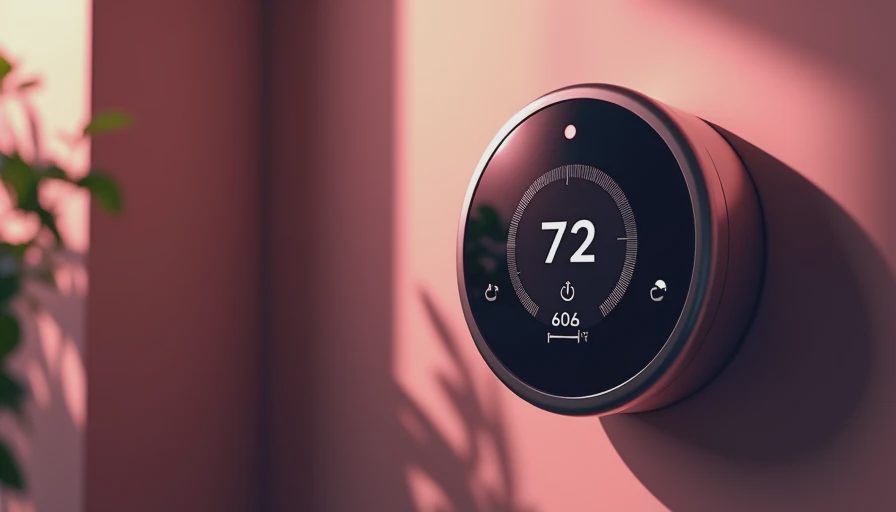
Automation should remove repetitive decisions, not create a second job. A smart thermostat can reduce heating or cooling when the house is empty, then precondition rooms before everyone returns. Smart plugs can shut off entertainment equipment, but do not use cheap plugs for space heaters or other high-load devices unless the product is specifically rated and installed correctly.
If your utility has time-of-use pricing, a controller can shift laundry, vehicle charging, or water heating to cheaper hours. Idaho Power customers should review the current rate structure and program rules rather than assuming every schedule saves money. The same load can be cheap at one house and expensive at another.
I use Home Assistant for local automations, but the platform is less important than the logic. Start with one rule: if the home is empty for 30 minutes, adjust the thermostat by two degrees. Log the result for a week. If Taryn complains that the house feels uncomfortable, the automation failed, regardless of how elegant the code looks.
Solar comes after efficiency
Solar can be a good long-term investment, especially when the roof is unshaded and the array matches daytime or annual usage. Prices vary widely, but a residential system can easily cost tens of thousands of dollars before tax credits. Batteries add substantial expense and are not automatically required for a solar installation.
Before requesting quotes, collect at least a year of utility bills, inspect roof age, and ask installers how they calculated production. Compare the proposed annual kilowatt-hours with your actual usage. A large system that exports much of its power may have a weaker financial case if compensation for excess generation is limited.
The same rule applies to energy-efficient home technology overall: measure the problem before buying the solution. A $40 weatherstrip, a $400 audit, or a $1,500 duct repair can sometimes outperform a much more expensive gadget.
A practical upgrade sequence
For most homeowners, I would work through this checklist:
- Review 12 months of utility bills and identify seasonal spikes.
- Air-seal obvious leaks and inspect attic and crawl-space insulation.
- Measure large electrical loads for at least one week.
- Correct duct, airflow, and thermostat problems before replacing equipment.
- Compare heat pump and water-heater quotes using total installed cost.
- Add one automation at a time and track comfort, runtime, and energy use.
- Evaluate solar only after the home has a cleaner, more stable load profile.
That sequence keeps technology in its proper role. It supports a better building instead of hiding a bad one behind a colorful dashboard. The best energy-efficient home technology is the equipment that quietly lowers waste, keeps rooms comfortable, and gives you enough data to make the next decision with confidence.



Letters
No letters yet — be the first to write.