When people ask me about energy efficiency in homes, they usually want to know which gadget to buy first. My answer is less exciting: start by finding where the house is wasting energy. In my 2003, 2,400-square-foot Boise house, air sealing and better temperature control did more for comfort than a drawer full of smart plugs. The useful part is that you do not need a gut renovation or a giant solar array. A sequence of measured improvements can lower bills, reduce drafts, and make the house easier to run.
I track our electricity, natural gas, and major circuits in a Grafana dashboard I call HouseOS. Taryn calls it the nerd wall. It has shown me where my original assumptions were wrong, including the time I blamed our heat pump for a winter spike caused by a poorly sealed attic hatch.
Find the expensive leaks before buying equipment
The first step in energy efficiency in homes is measurement. Pull twelve months of utility bills and record usage, not just dollars. Rates change, so a lower bill does not always mean lower consumption. Compare heating-season gas or electric use with summer baseload, then look for unusual changes.
A blower-door test is often worth $250 to $500, depending on the market. It depressurizes the house and helps an auditor locate leaks around attic penetrations, recessed lights, plumbing openings, doors, and rim joists. An infrared camera can reveal missing insulation, but only when there is a meaningful indoor-outdoor temperature difference. A cheap plug-in meter can also expose smaller problems: an old garage freezer, a desktop computer, or a dehumidifier that runs constantly.
My own audit found several obvious targets. The attic hatch had almost no weatherstripping, two bathroom exhaust fans leaked into the attic, and the crawl-space access door fit like it had been cut with a chainsaw. Those fixes cost less than $200 in materials and made the upstairs noticeably less dusty.

Air sealing and insulation usually beat shiny gadgets
Air sealing is different from adding insulation. Insulation slows heat movement through a surface; air sealing stops outside air from moving through gaps. If warm indoor air escapes through ceiling penetrations, it can carry moisture into the attic and undermine the insulation above it.
For many houses built from the 1990s through the 2010s, practical targets include the attic plane, duct boots, plumbing penetrations, electrical boxes, basement rim joists, and weatherstripping around exterior doors. Use appropriate fire-rated materials around chimneys and other heat-producing equipment. For larger penetrations, expanding foam can work, but it is not a substitute for a qualified contractor where code or combustion safety is involved.
A typical attic air-sealing project might cost $500 to $1,500 before insulation. Blown-in insulation can add $1,500 to $4,000, depending on area and depth. The return is not identical in every climate, but comfort often improves immediately. Rooms stop feeling like separate weather zones, and the furnace or heat pump runs for longer, steadier cycles instead of short bursts.
Do not skip ductwork. A disconnected or poorly sealed supply duct in an attic can waste far more useful heat than a small standby electronic load. Mastic and proper mechanical fasteners are better long-term choices than wrapping every joint in ordinary cloth duct tape.
Heating and cooling deliver the biggest numbers
Heating and cooling dominate energy efficiency in homes because they operate for hundreds or thousands of hours each year. A heat pump is simply an air conditioner that can run backward: it moves heat instead of creating it directly. In moderate conditions, that can deliver more heat per unit of electricity than resistance heating.
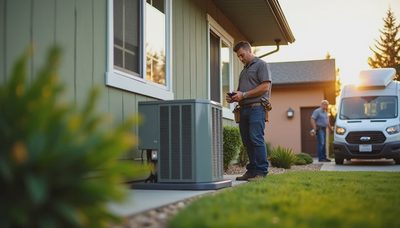
A ducted heat pump can be a strong fit when existing ducts are serviceable. Mini-splits work well for additions, workshops, and rooms that never stayed comfortable, but installing one head in every room can become expensive and visually busy. A qualified contractor should check sizing, electrical capacity, refrigerant lines, defrost behavior, and backup heat before quoting a system.
I made a mistake during my first heat-pump comparison by focusing on the nameplate efficiency and ignoring low-temperature capacity. The system looked excellent on paper, but the quote did not clearly explain what happened during a Boise cold snap. Ask for capacity at the temperatures your area actually experiences, not only the best laboratory rating.
A smart thermostat helps only when the schedule matches the equipment. Aggressive setbacks can backfire with some heat pumps because recovery activates expensive auxiliary resistance heat. I prefer modest setbacks, room sensors where useful, and alerts when runtime is abnormal. That approach saved more frustration than constantly changing the temperature from an app.
Smart controls should solve a specific problem
Smart-home equipment becomes useful when it answers a measurable question. A circuit monitor can show whether the water heater, workshop compressor, or electric vehicle is creating a demand spike. A humidity sensor can reveal that a bathroom fan is not running long enough. A leak sensor can prevent a much larger repair bill, although it does not reduce energy use by itself.
For energy efficiency in homes, automation works best when it is boring and dependable. My Home Assistant setup turns down the garage temperature when the door has been closed for an hour, pauses the heat-pump water heater during a utility peak period, and alerts me when the refrigerator circuit stays off unexpectedly. None of these automations requires a cloud subscription or a voice assistant.
Avoid automating every light and appliance just because you can. A smart plug that costs $25 and saves three watts will not pay back quickly. A $25 temperature sensor that identifies an overheating nursery or a poorly balanced bedroom can be much more valuable. Start with the load or comfort problem, then choose the device.

Solar comes after reducing the load
Solar panels are easier to size after efficiency work. If air sealing, insulation, and HVAC improvements reduce annual consumption, a smaller system may cover the same share of your use. That can lower installation cost, reduce roof space requirements, and make future battery decisions clearer.
Get proposals that separate panel capacity, inverter type, electrical work, roof repairs, permitting, and monitoring. Ask how production estimates account for shade, snow, orientation, and seasonal changes. A battery can provide backup and shift energy use, but it is not automatically the best financial upgrade. If backup is the goal, identify the refrigerator, internet equipment, furnace controls, and other circuits you actually need during an outage.
Net-metering rules and incentives vary by utility and state, so use current information from your utility and tax professional. A solar salesperson should not be the only source for those details. Compare the proposal with your real twelve-month consumption after efficiency improvements.
Build a two-to-five-year upgrade sequence
A sensible energy efficiency in homes plan starts with the least expensive work that affects later decisions. In year one, gather bills, schedule an audit, seal obvious leaks, repair duct problems, and improve attic access. In year two, address insulation, HVAC sizing, or a heat-pump water heater. In later years, consider solar, circuit monitoring, an electrical-panel upgrade, or a battery based on measured needs.
For each project, write down its installed cost, expected annual savings, comfort benefit, maintenance requirement, and effect on future work. A $1,000 air-sealing project that saves $150 a year has a simple payback of about seven years, before counting comfort. A $12,000 HVAC upgrade should be judged against its actual energy reduction, not a vague promise of lower bills.
Your house should work for you, not the other way around. Measure first, fix the building shell, choose equipment that fits the load, and automate only what earns its place. That process is less flashy than buying the newest thermostat, but it is how energy efficiency in homes becomes a durable improvement rather than another unfinished weekend project.


Letters
No letters yet — be the first to write.